Cappadocia
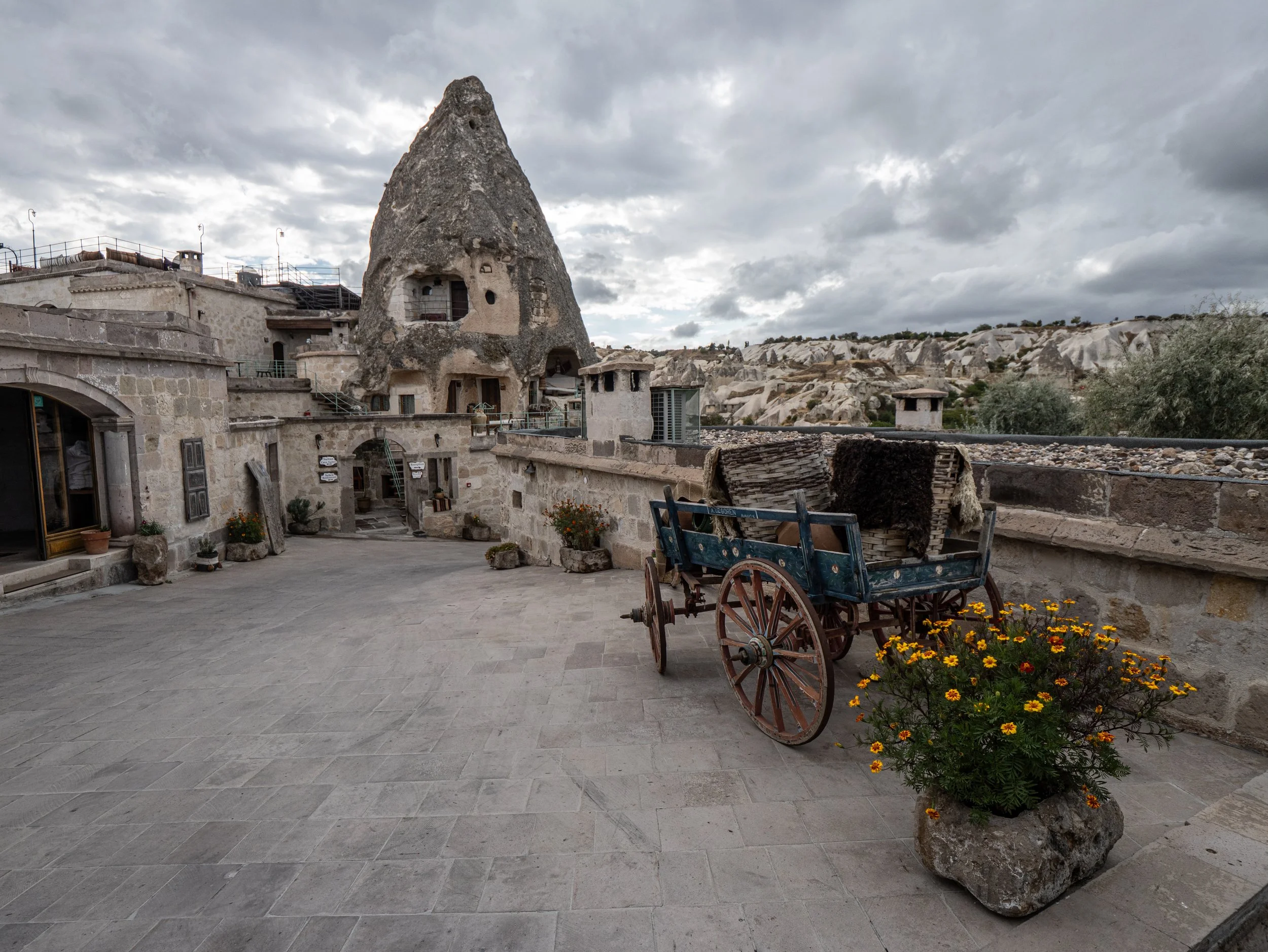
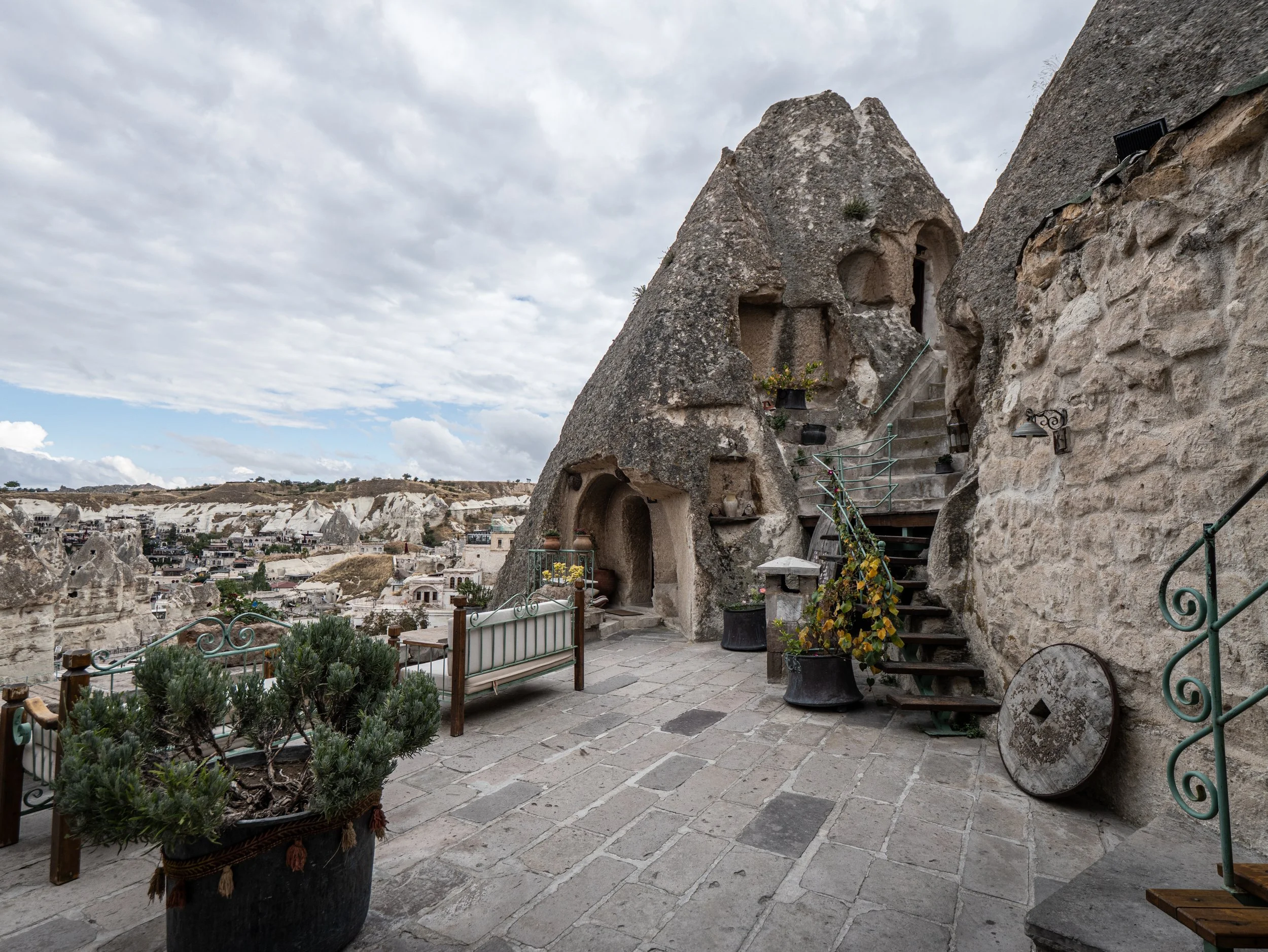
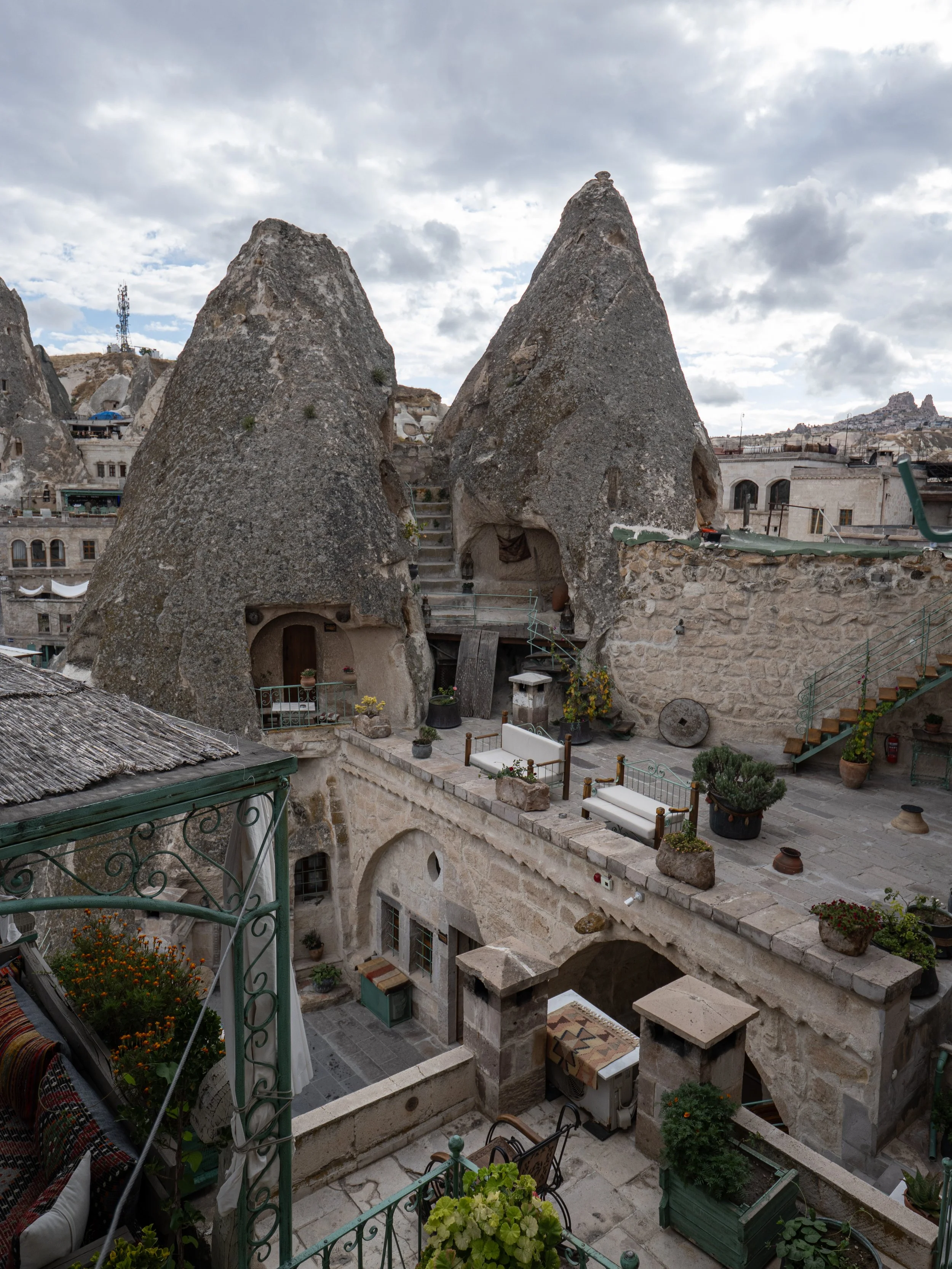
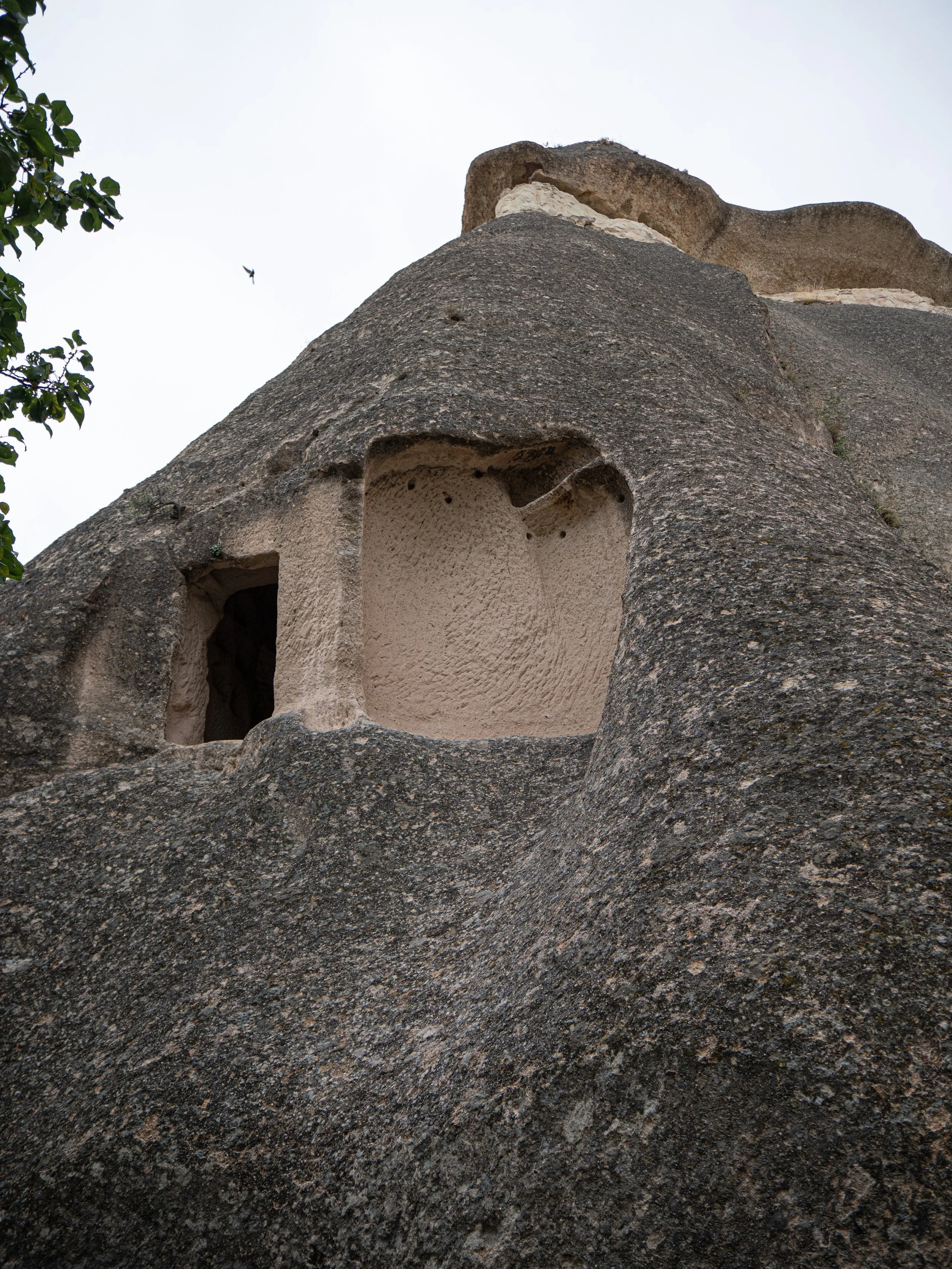
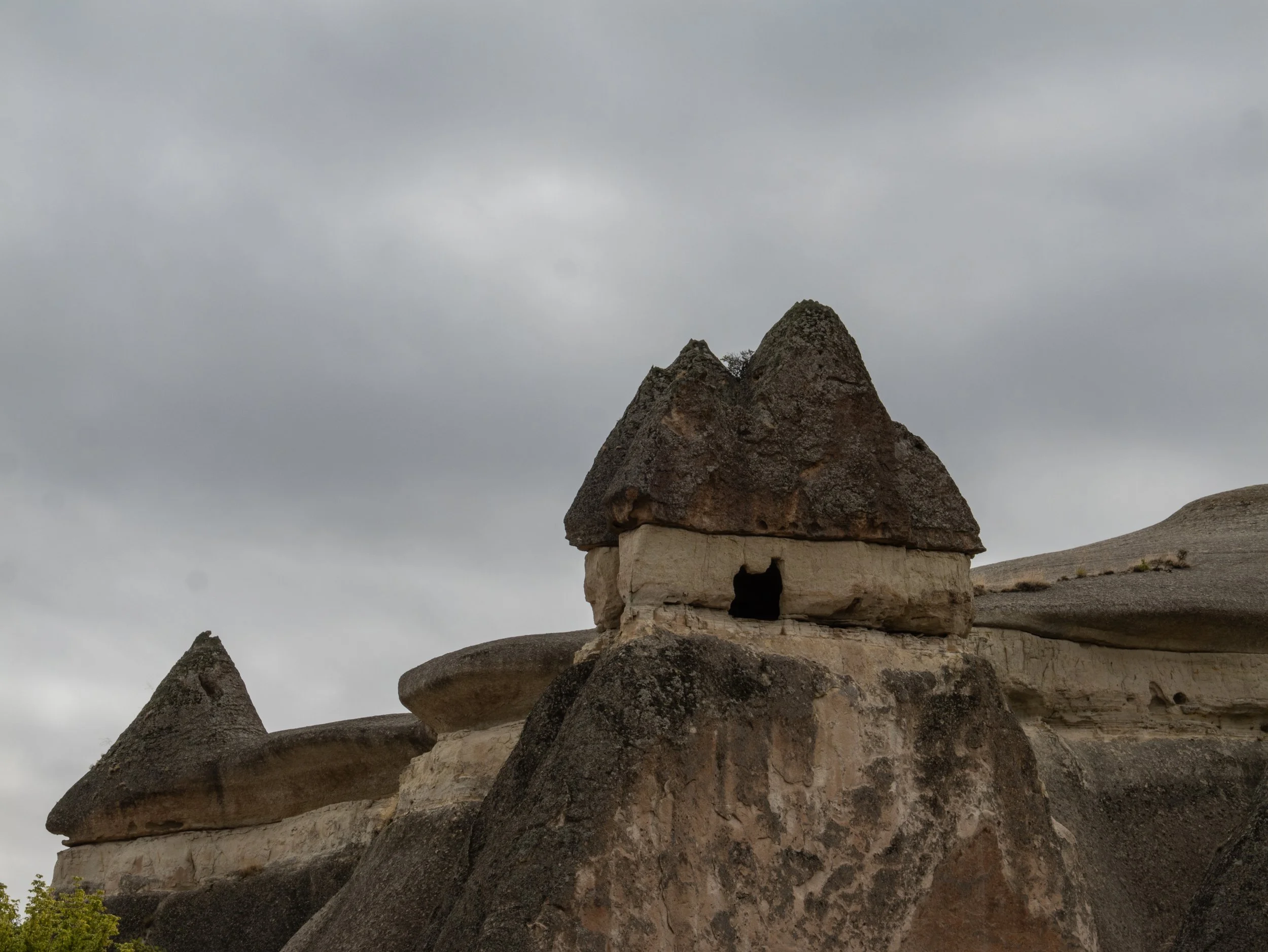
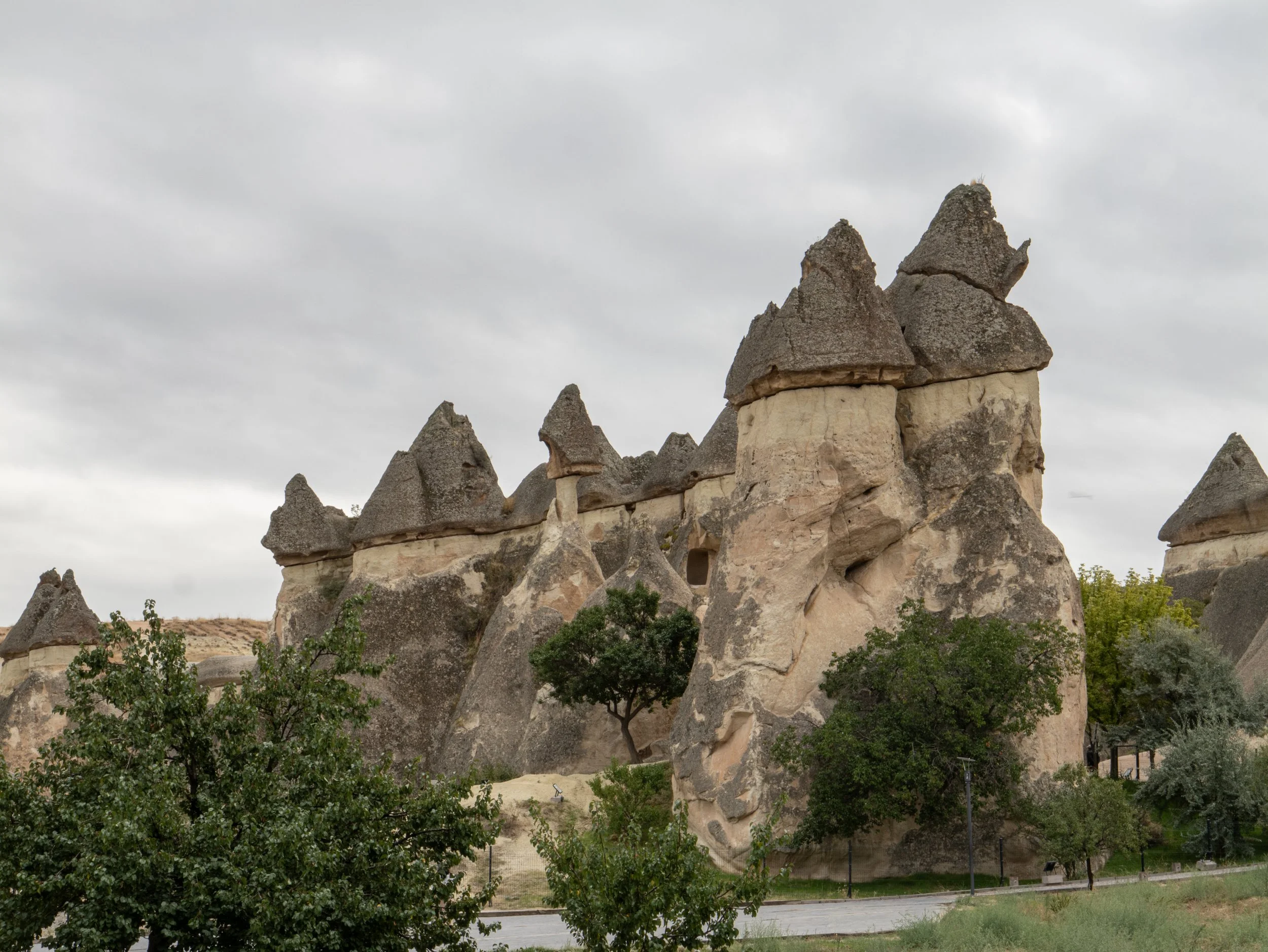
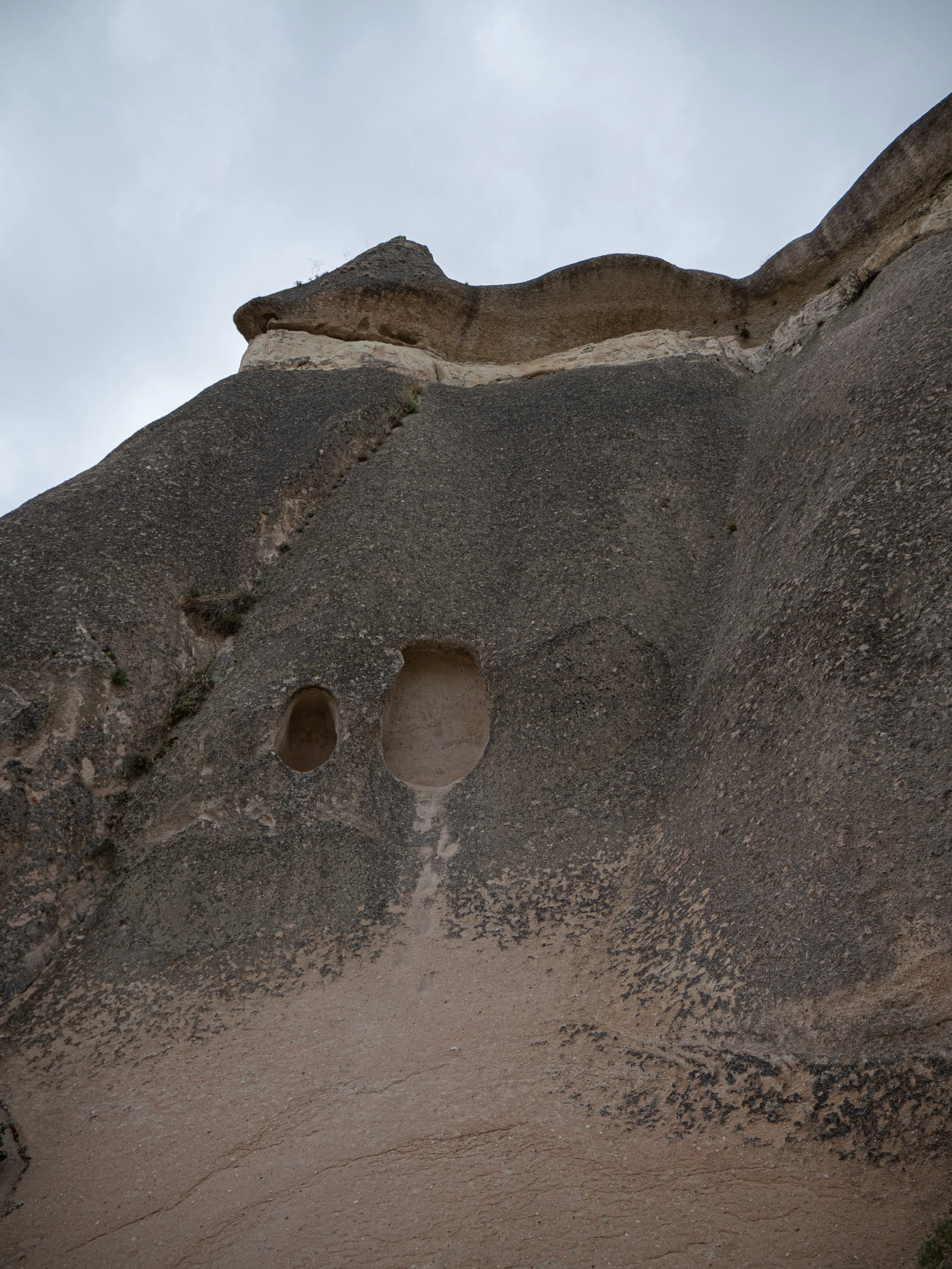
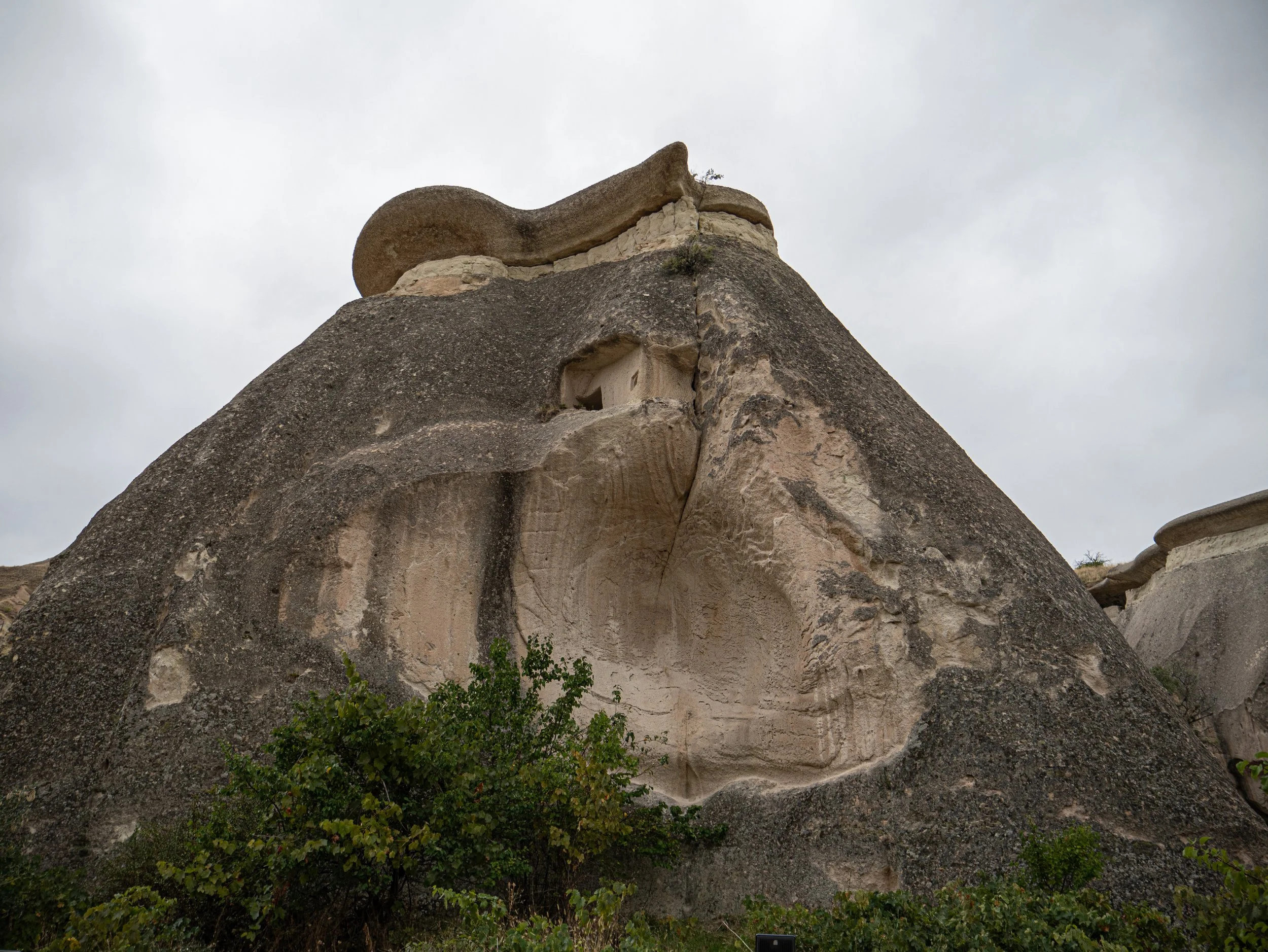
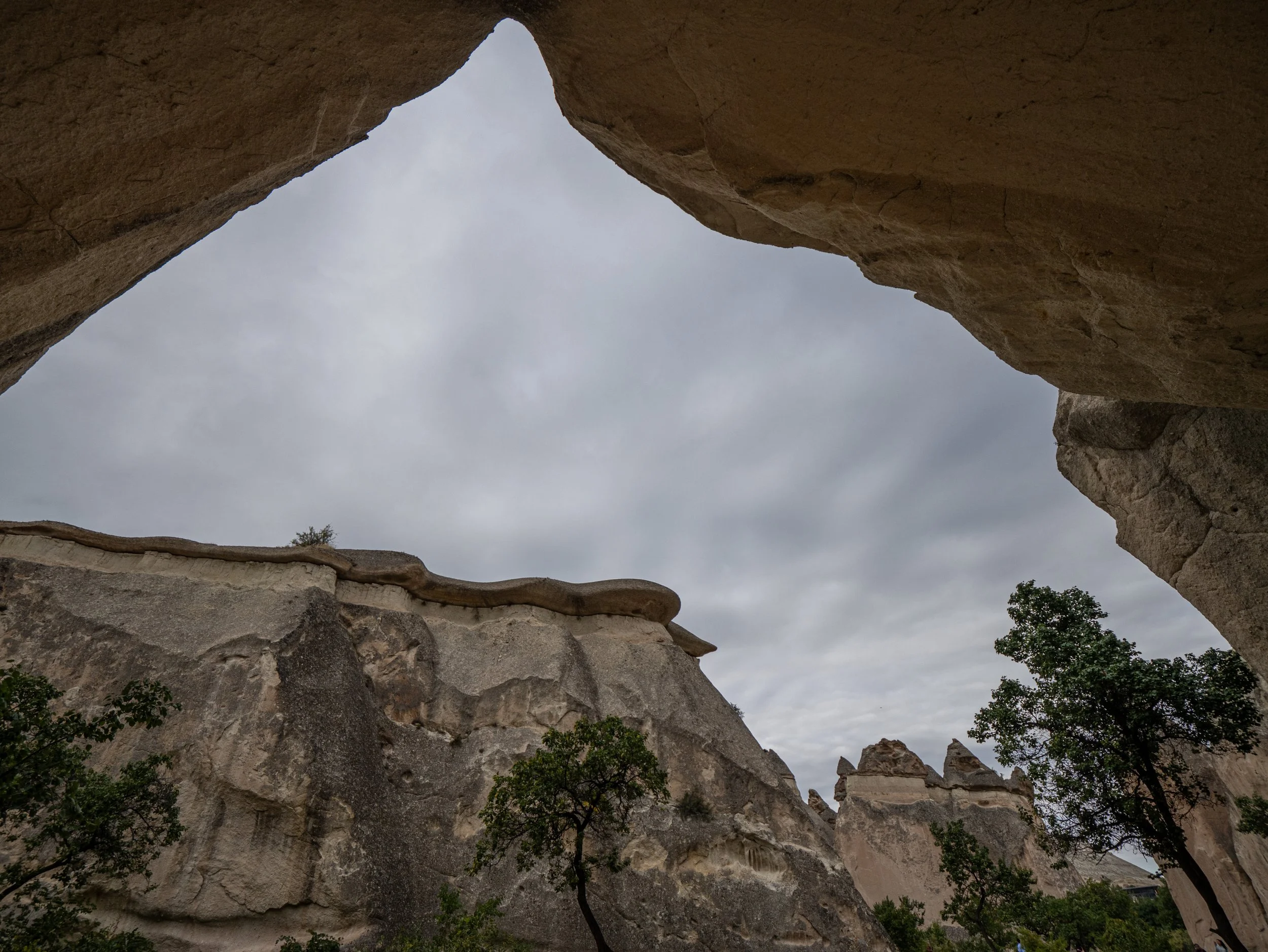
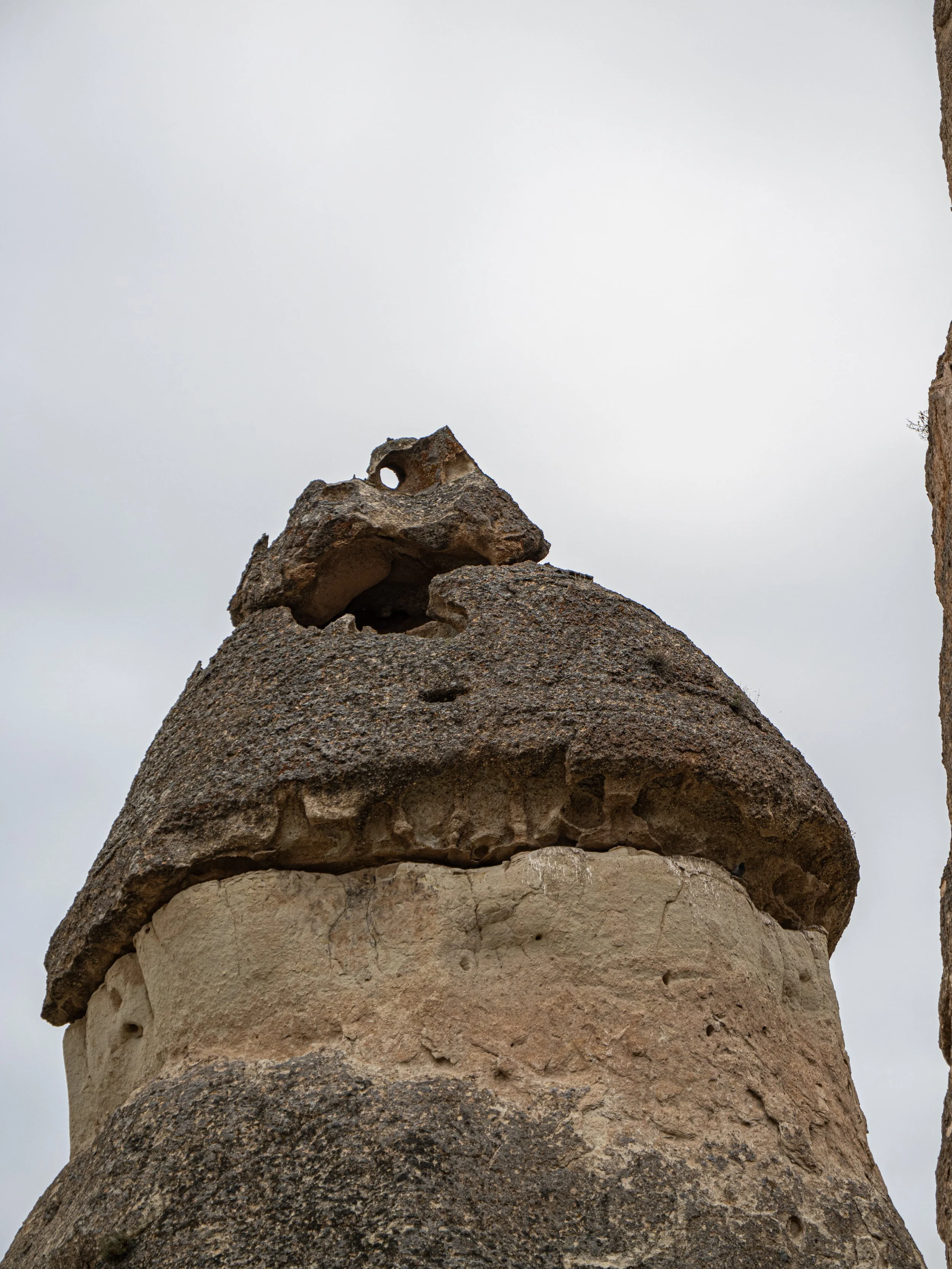
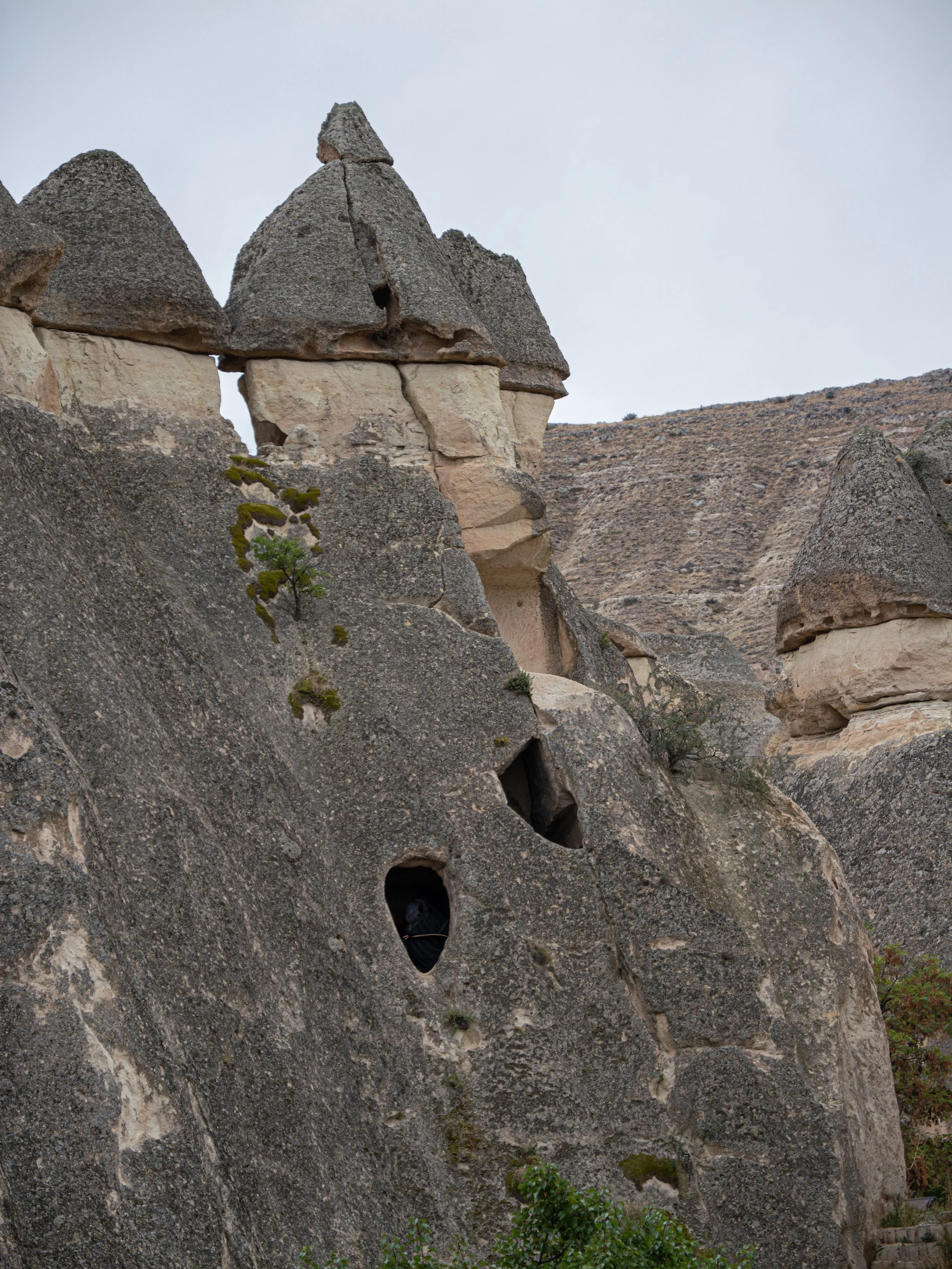
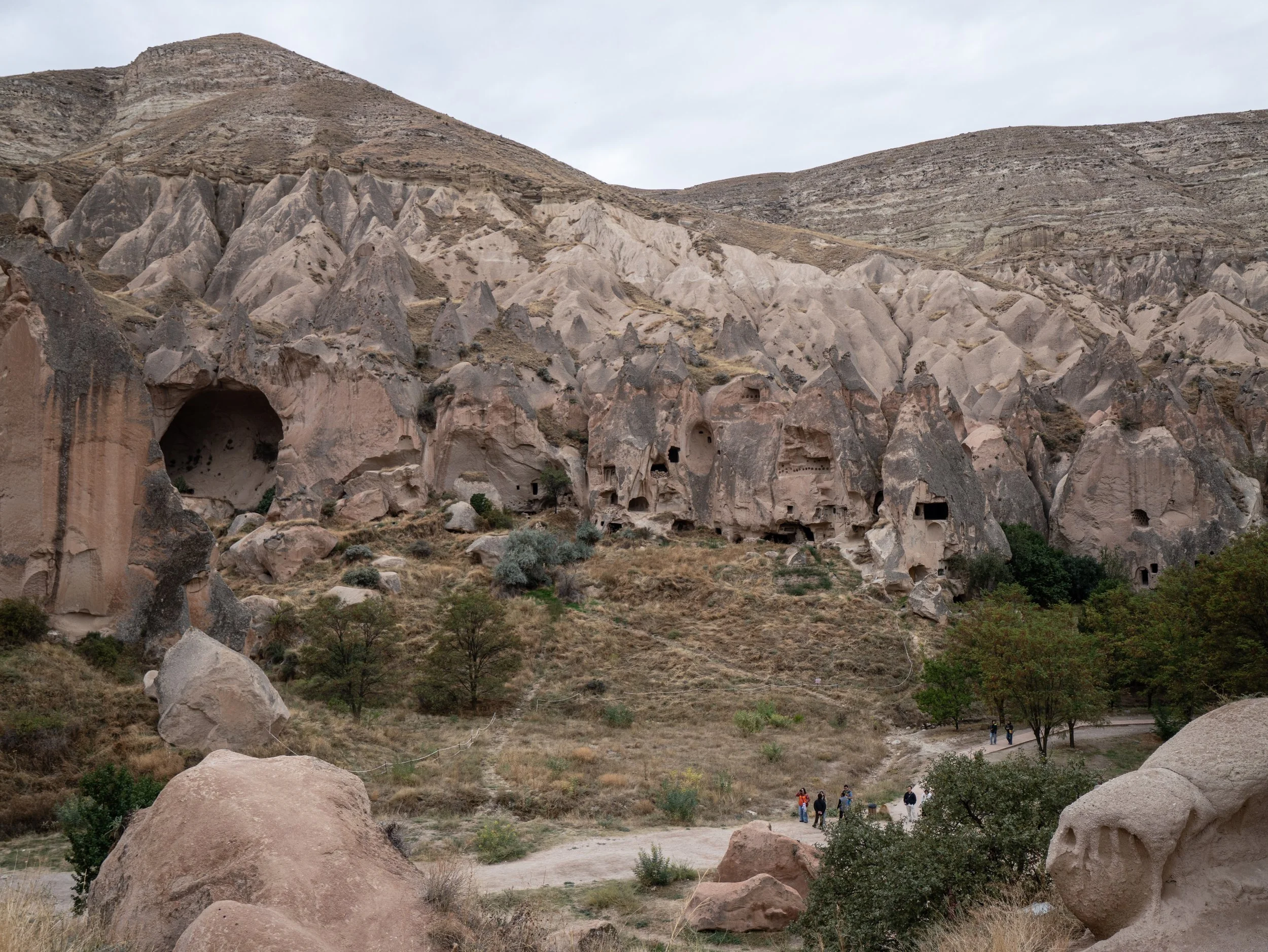
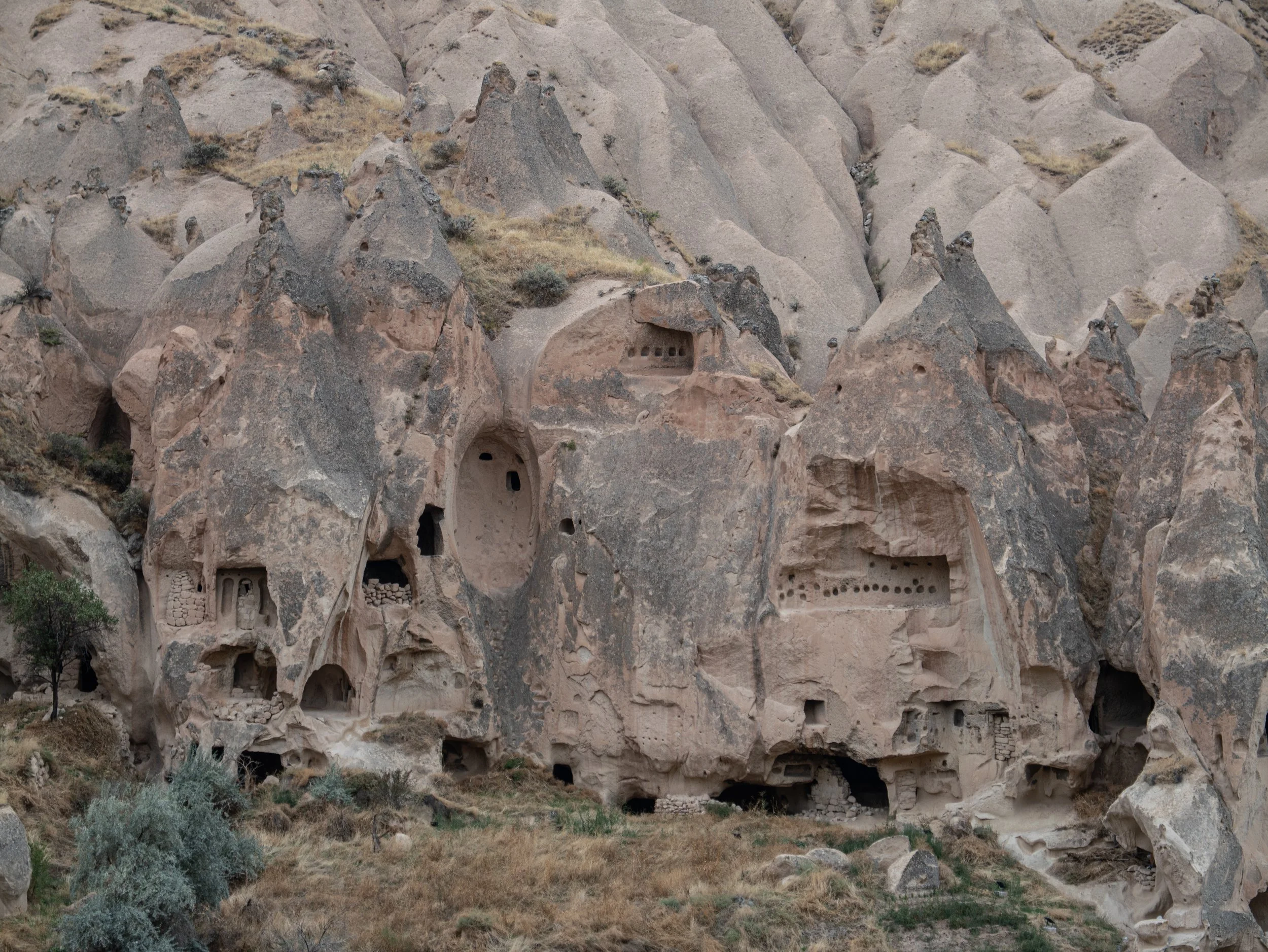
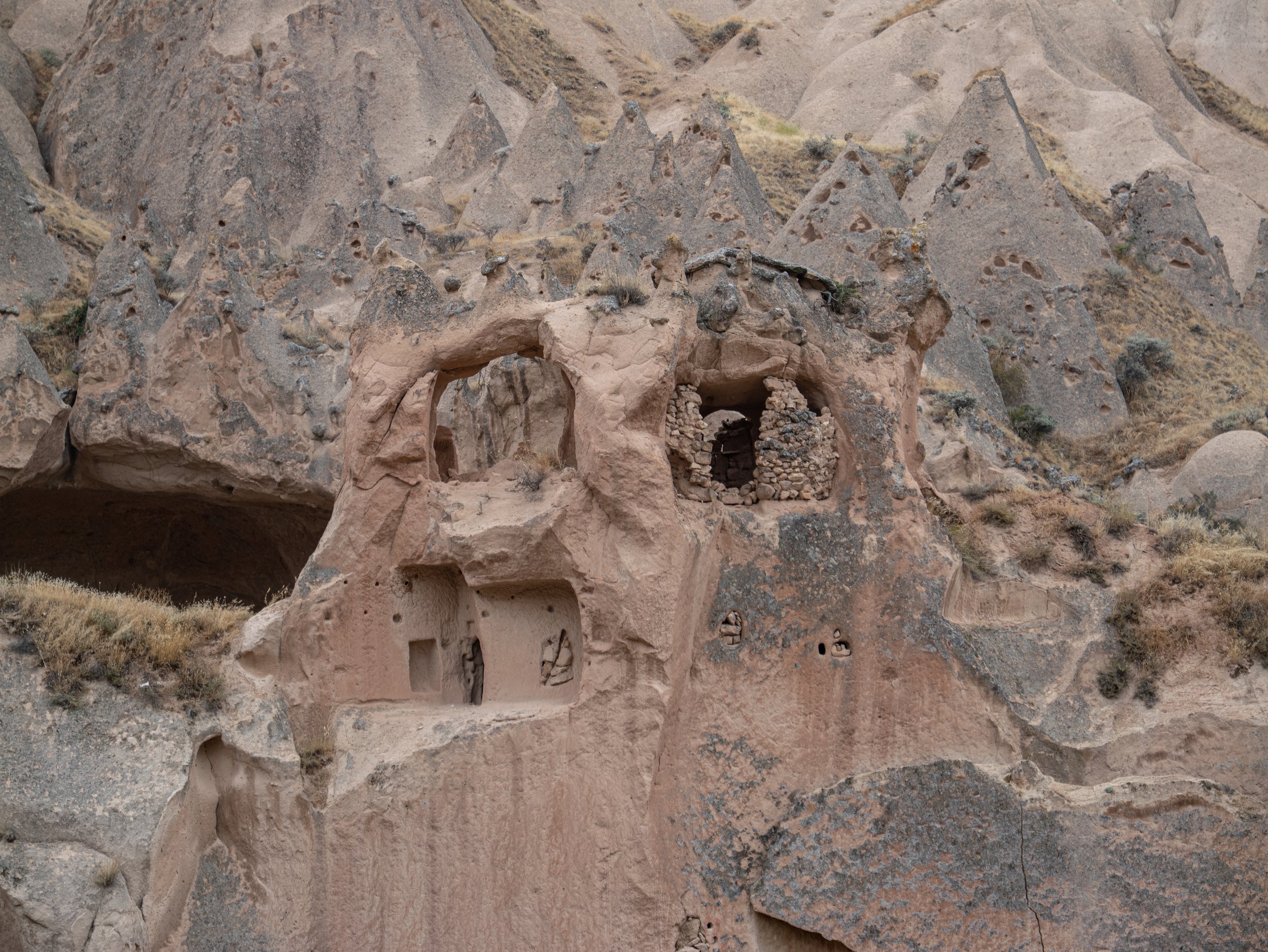
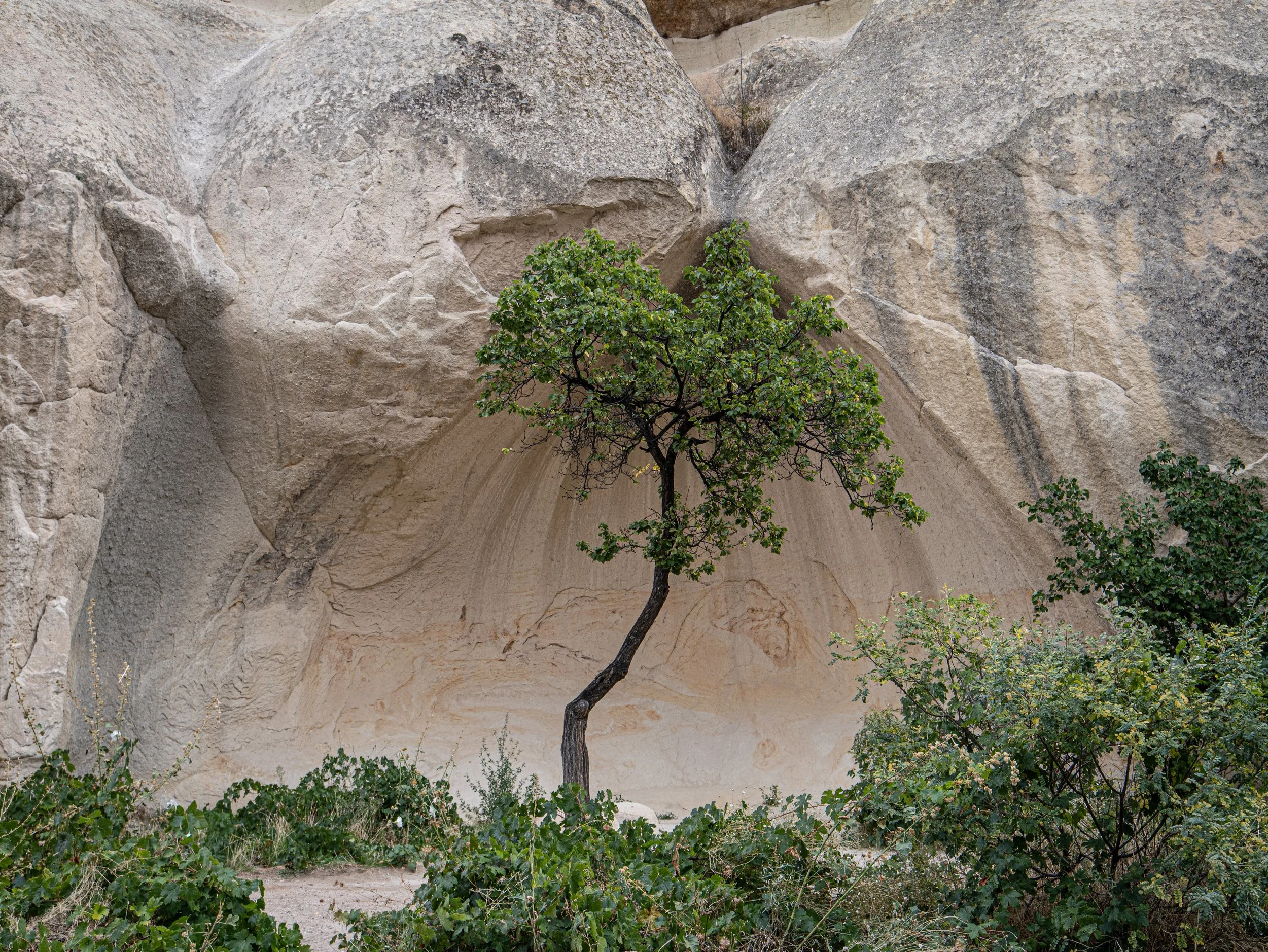
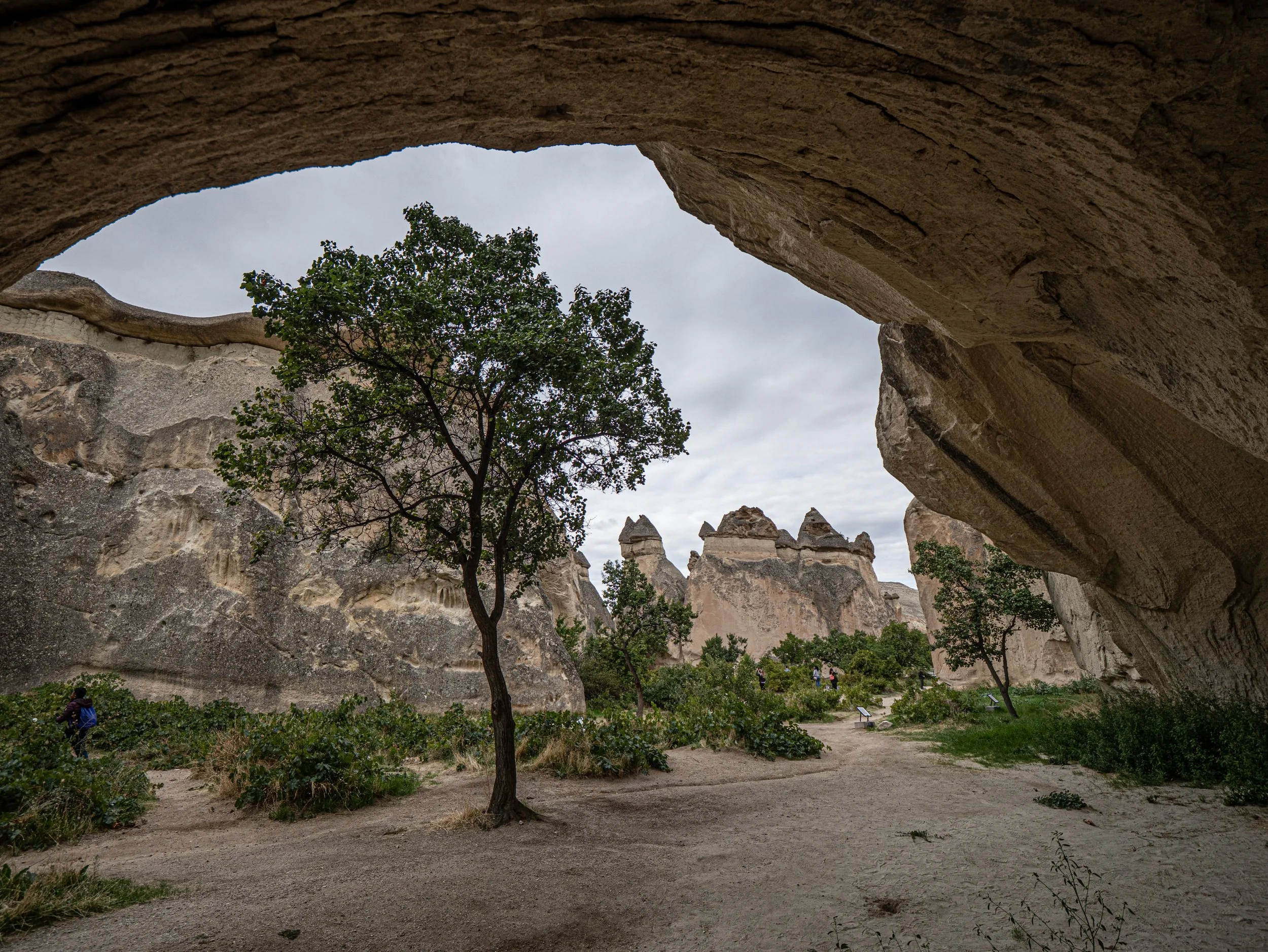
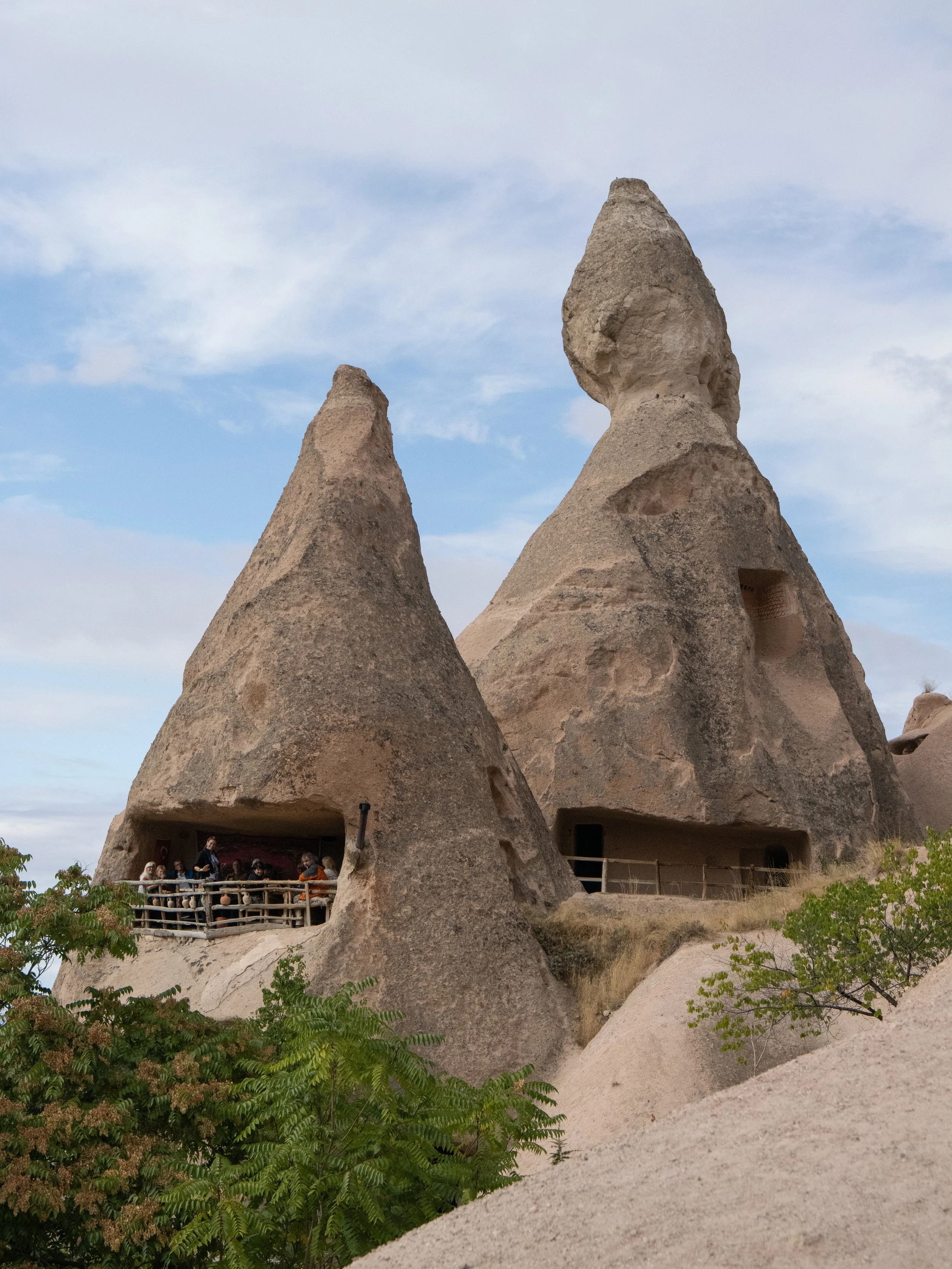
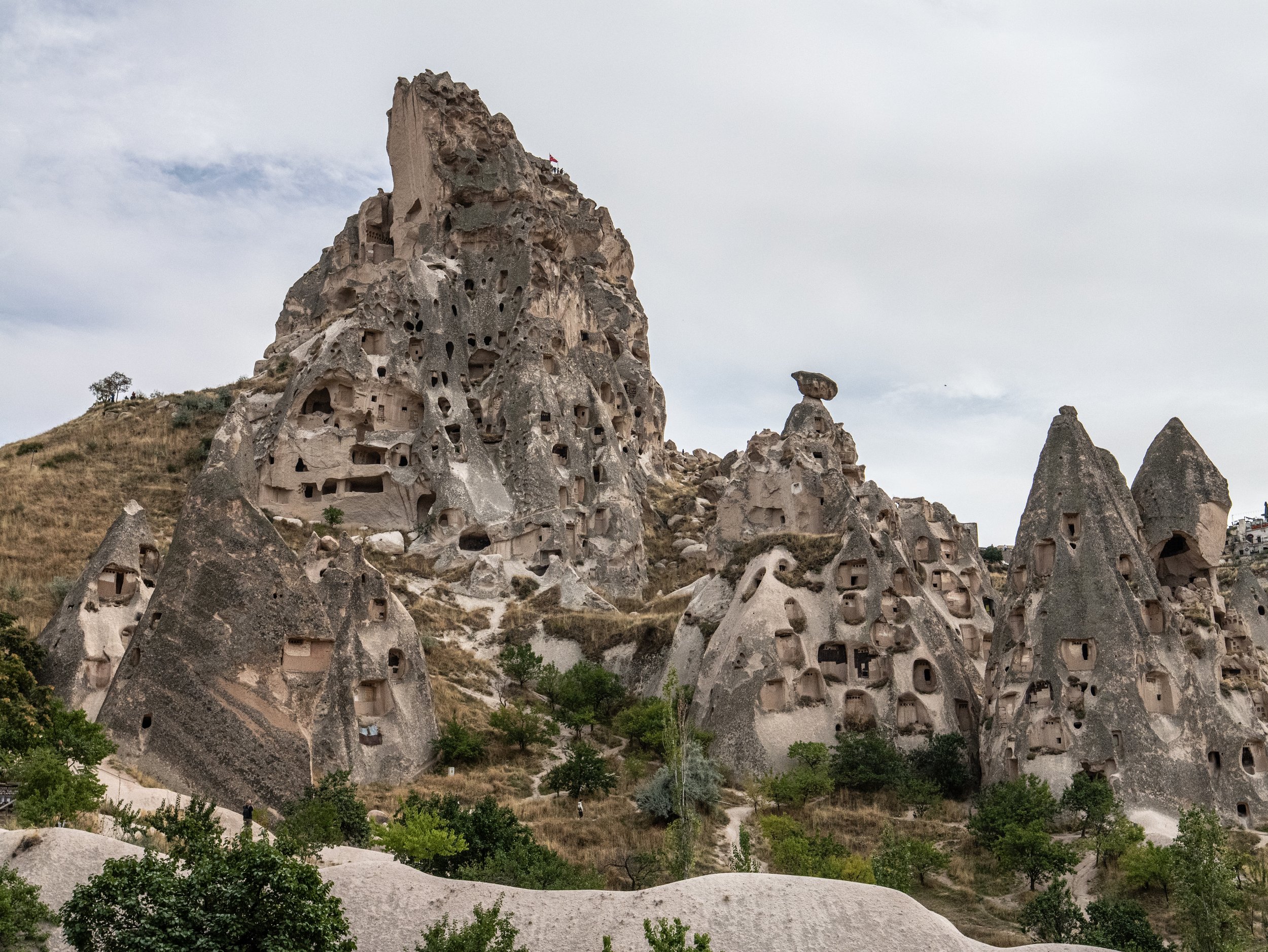
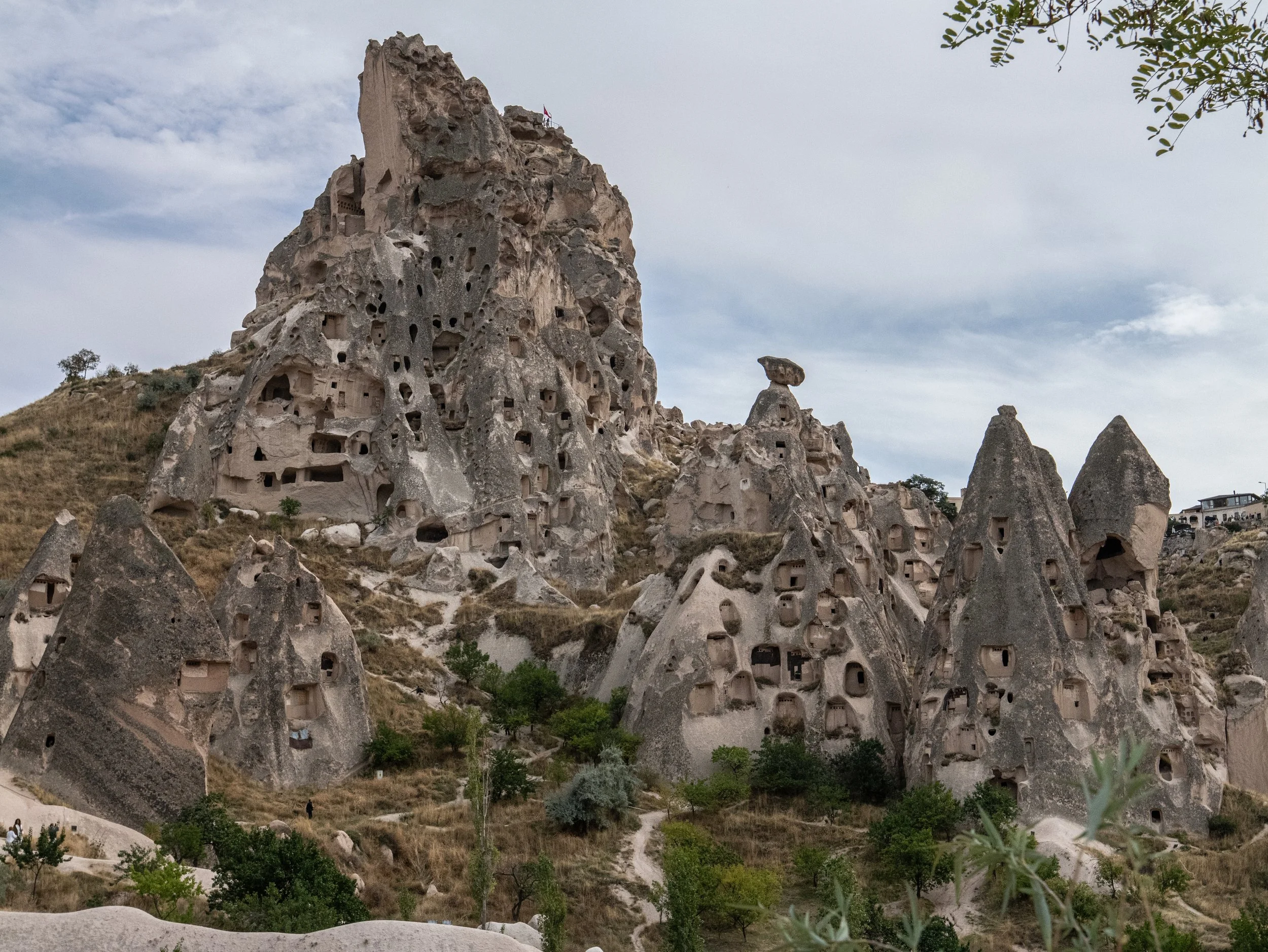
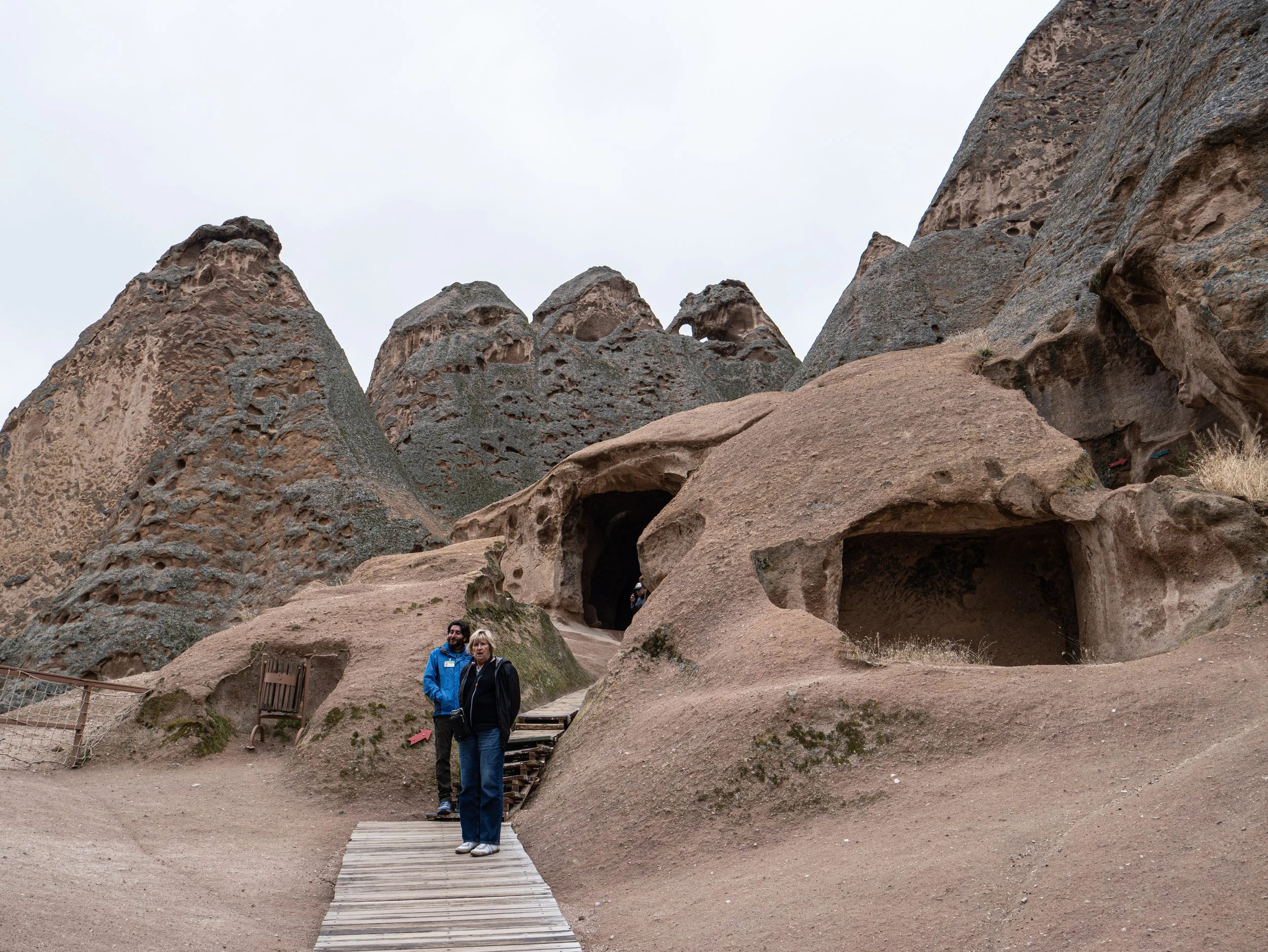
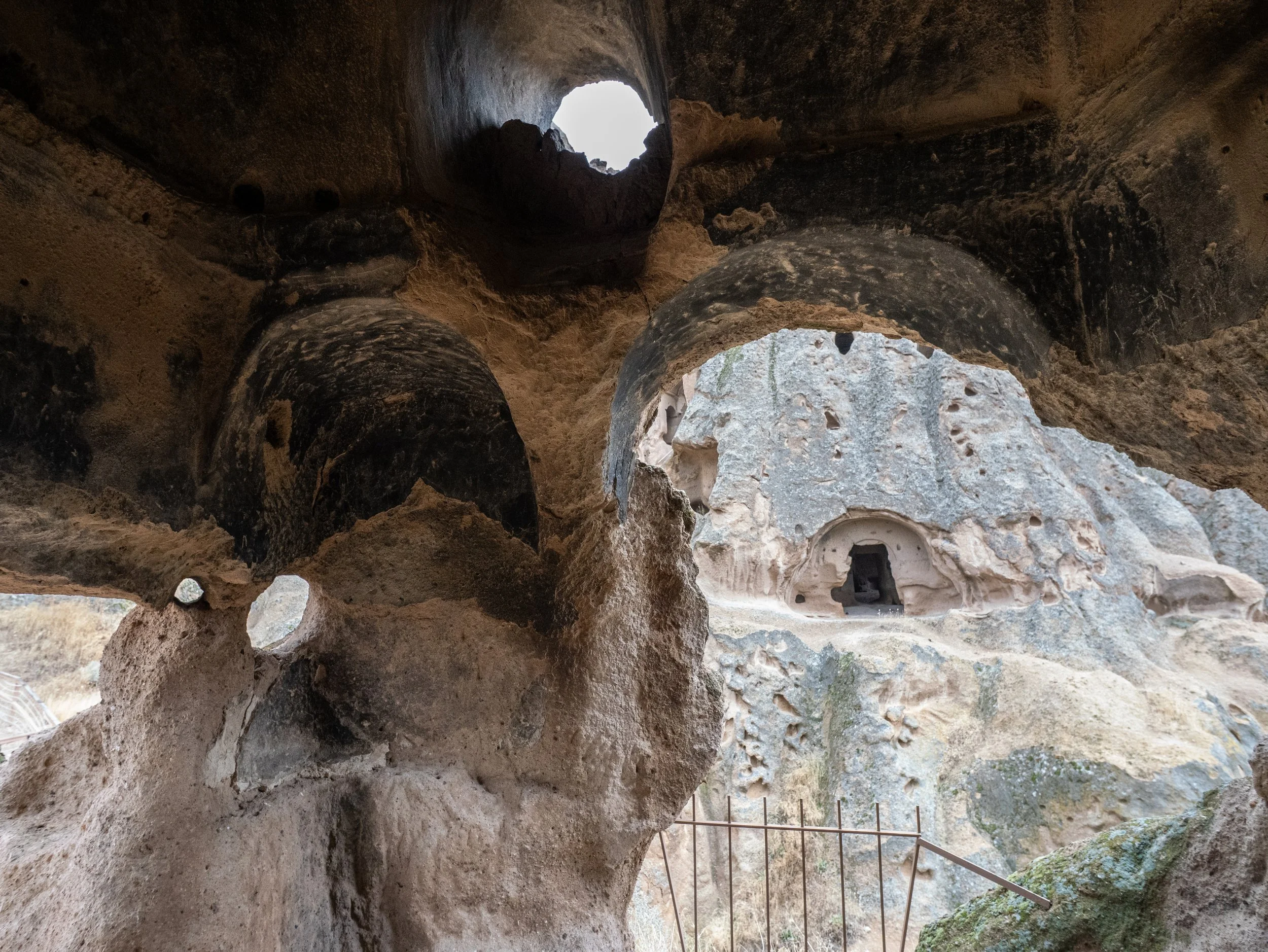
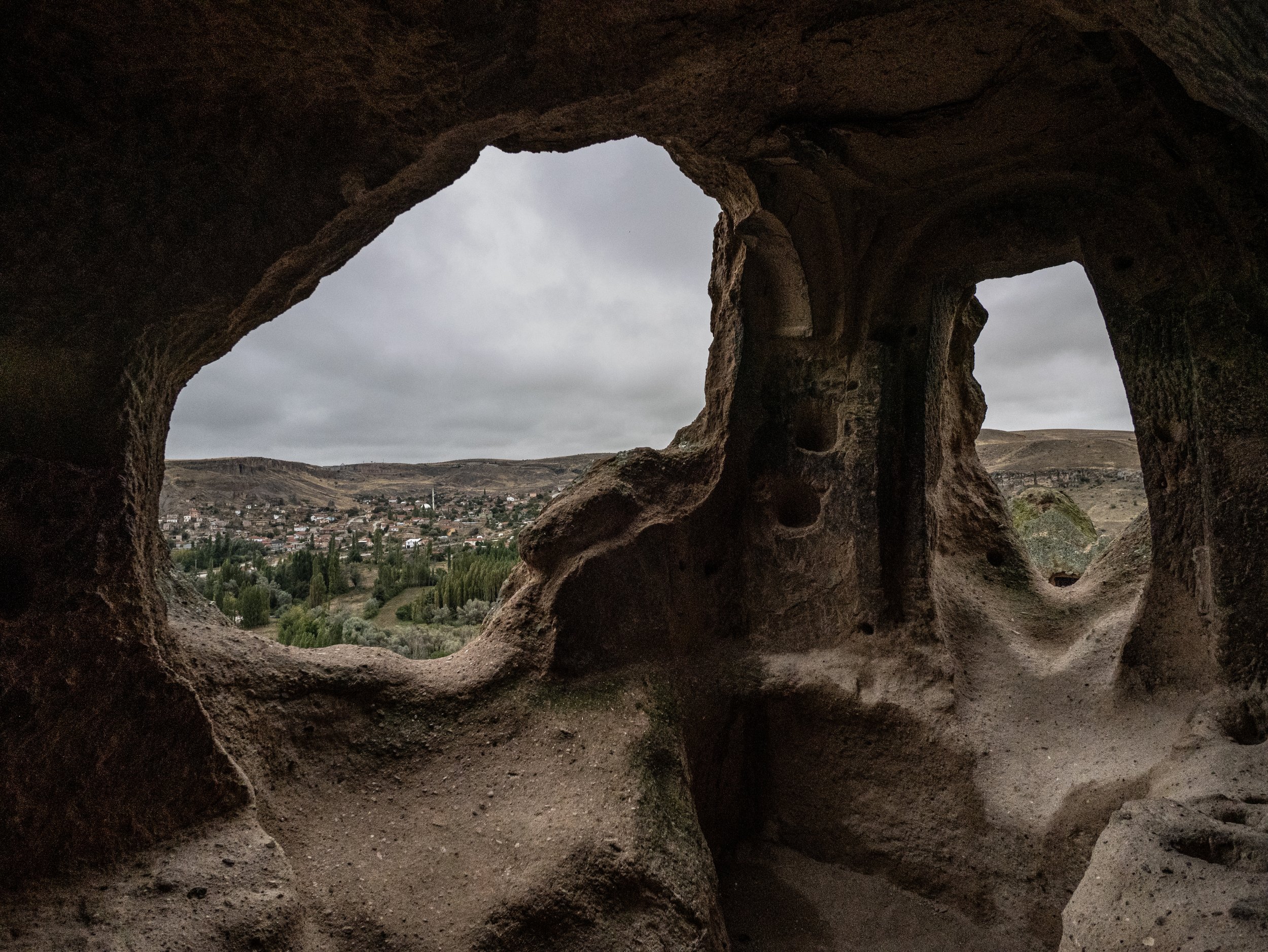
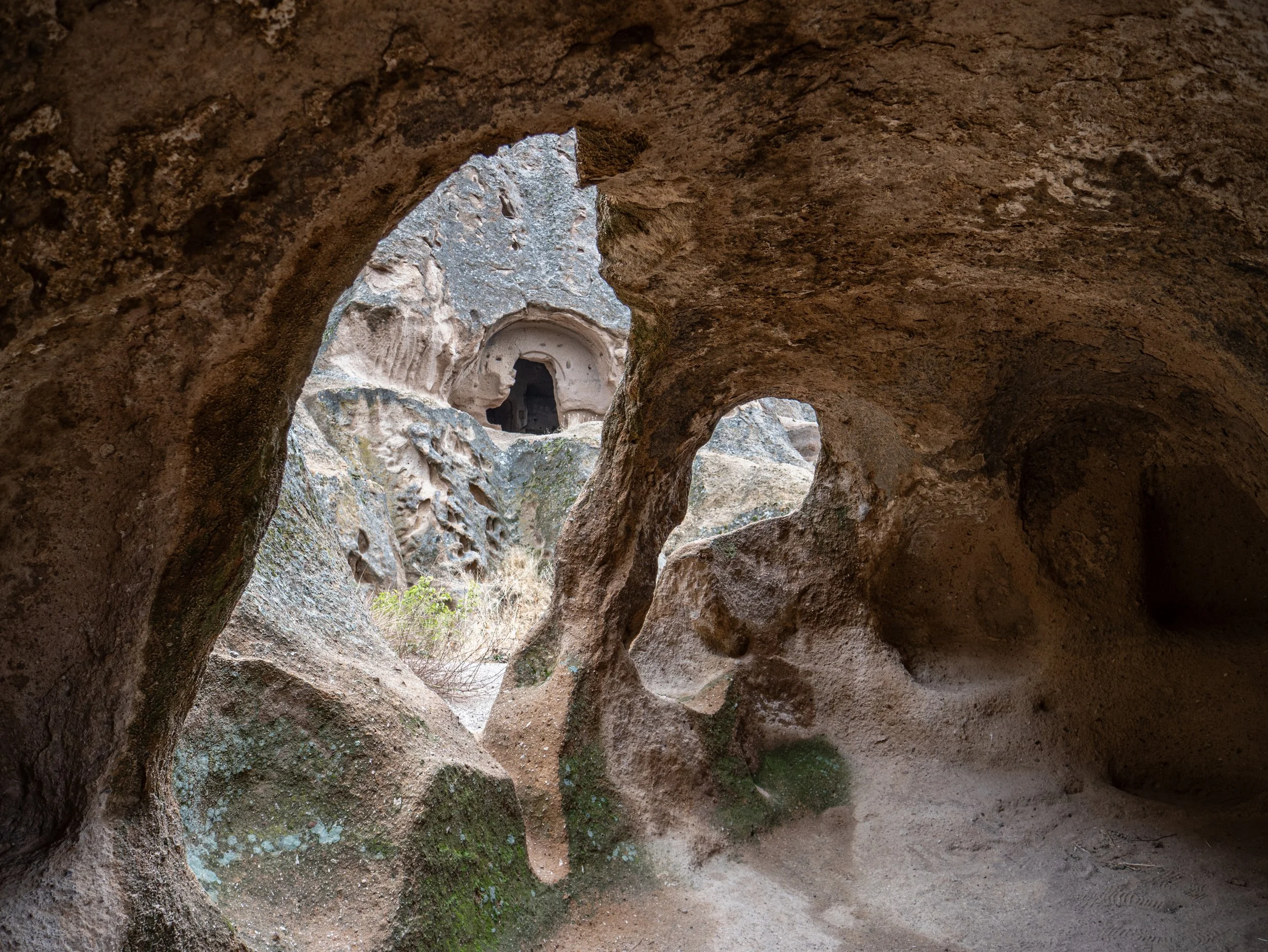
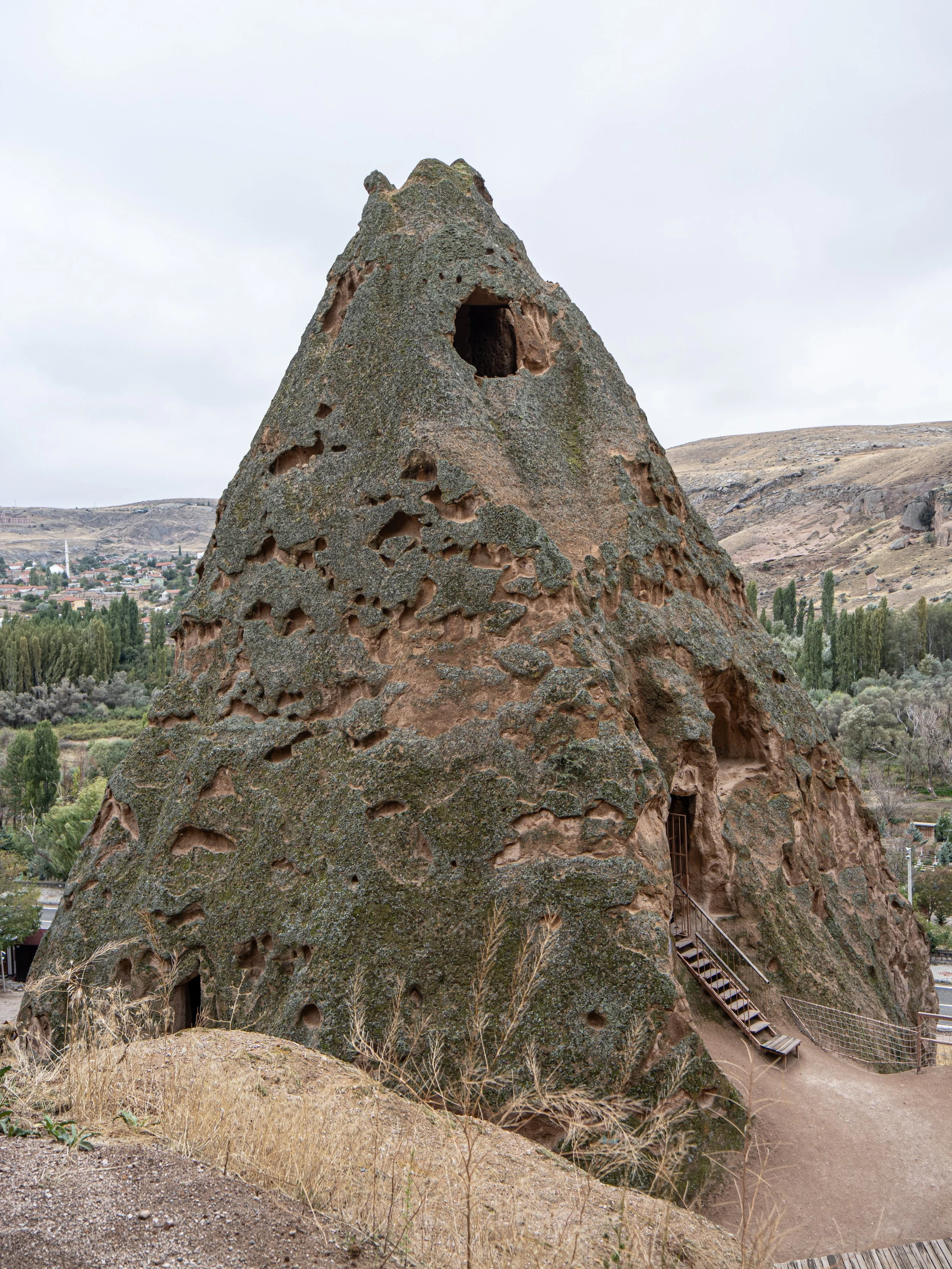
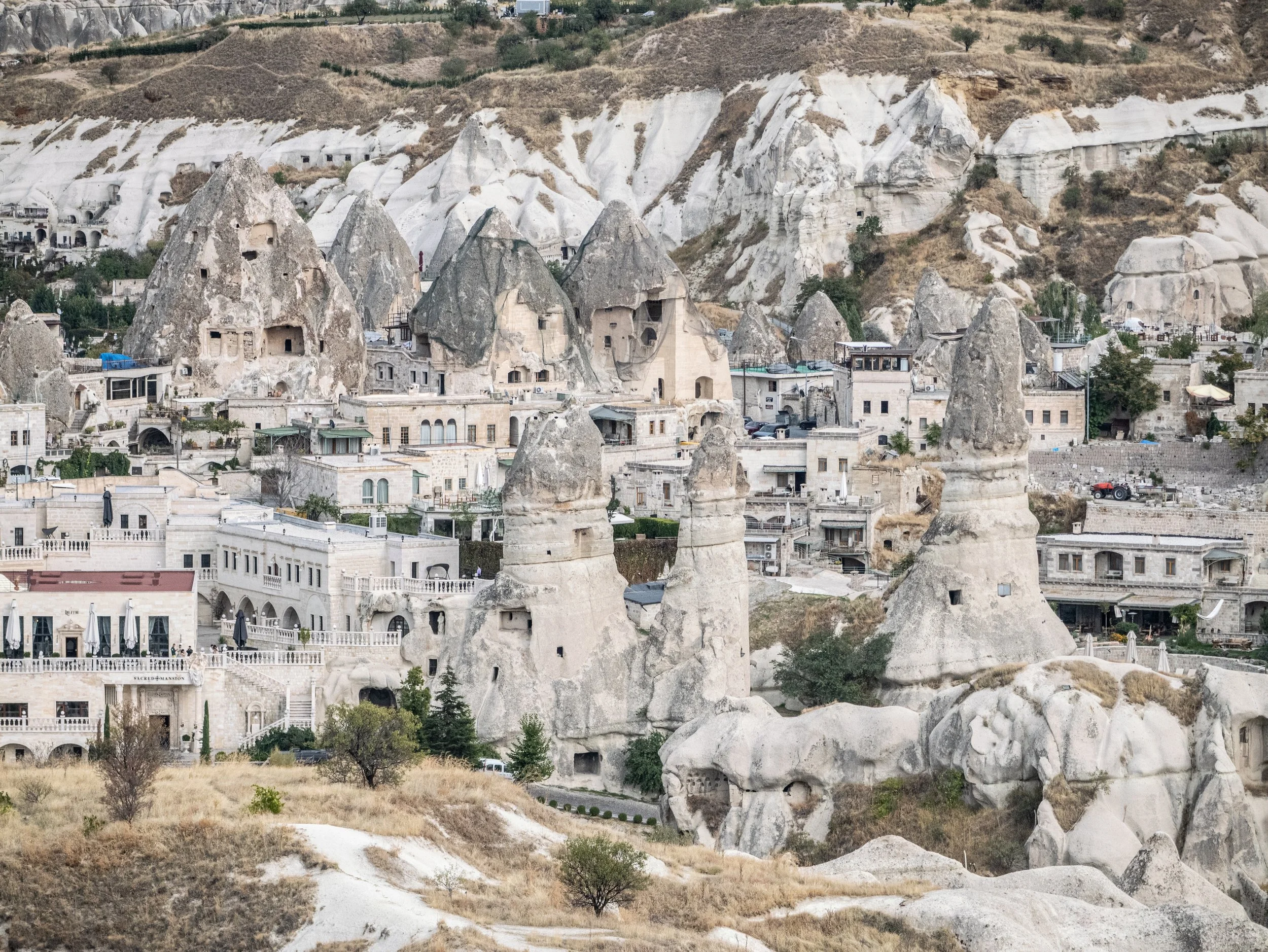
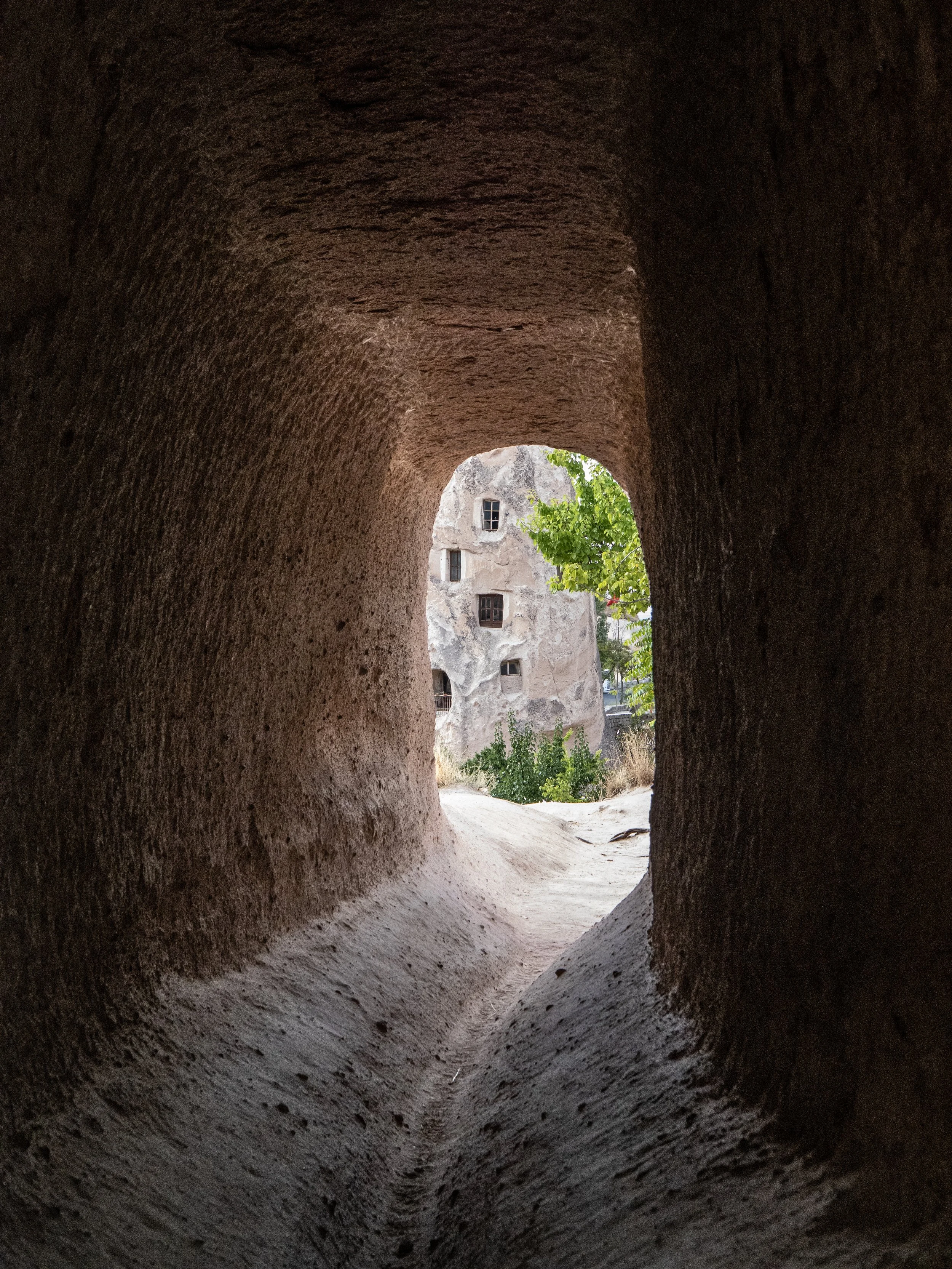
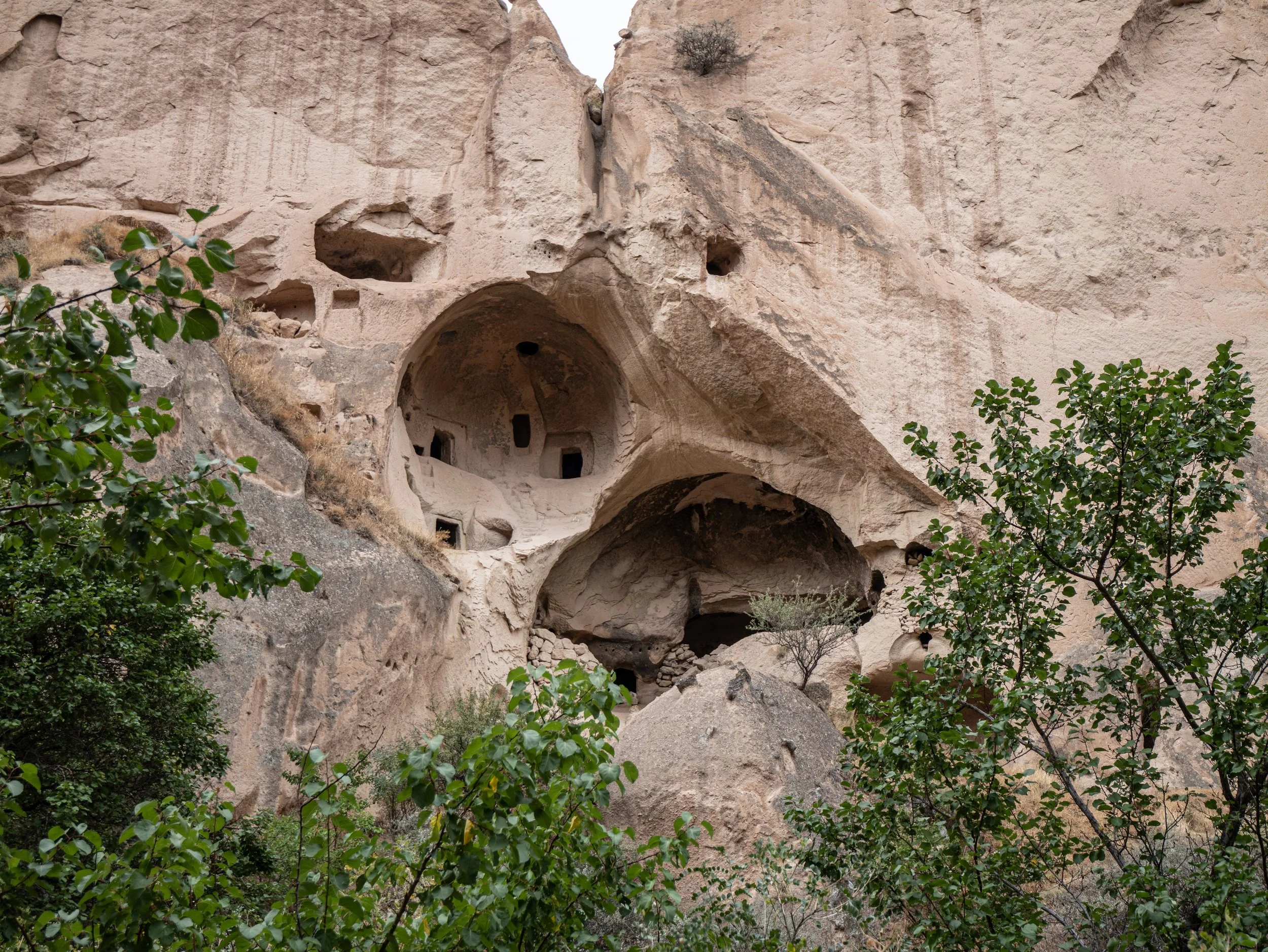
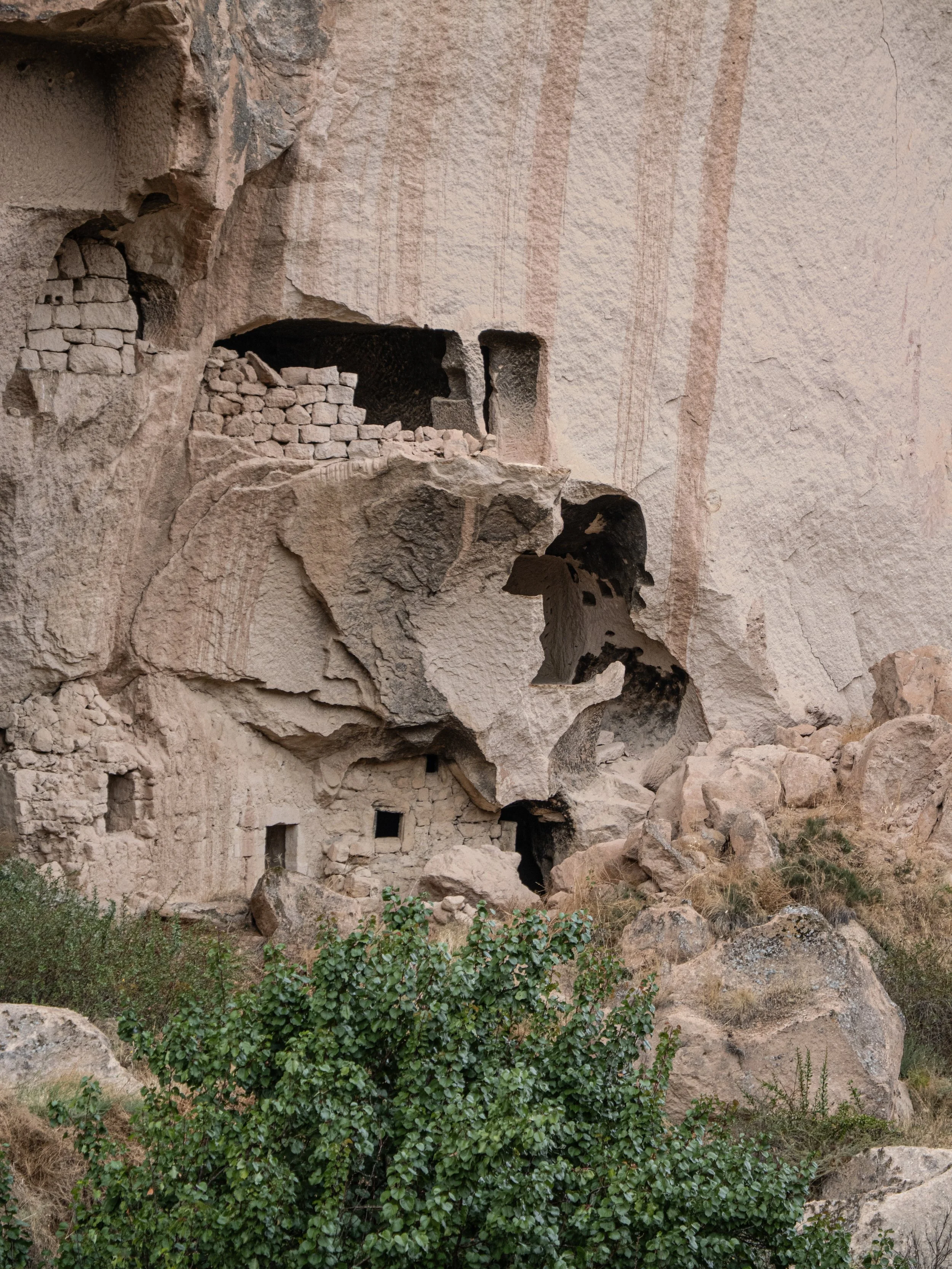
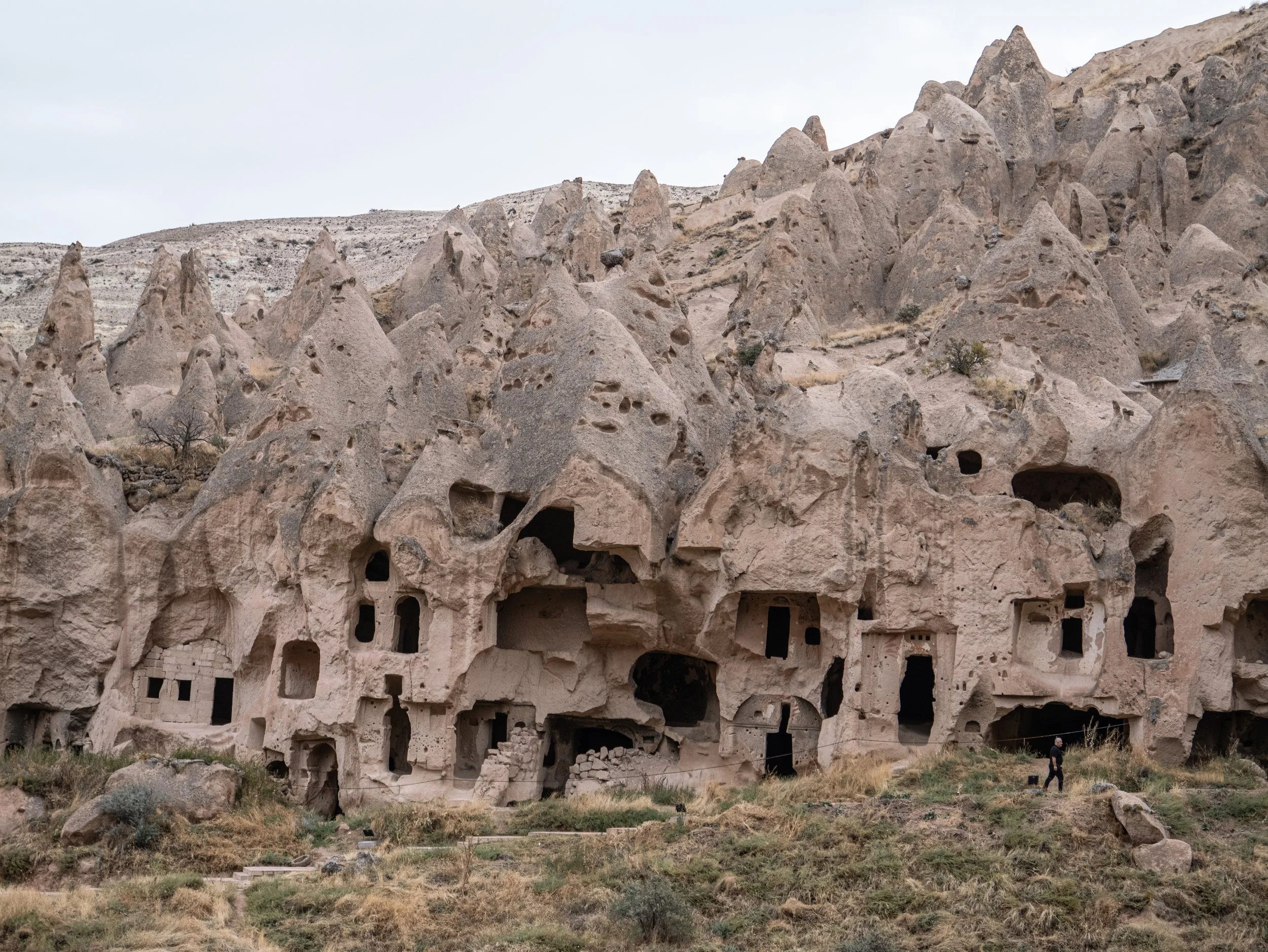
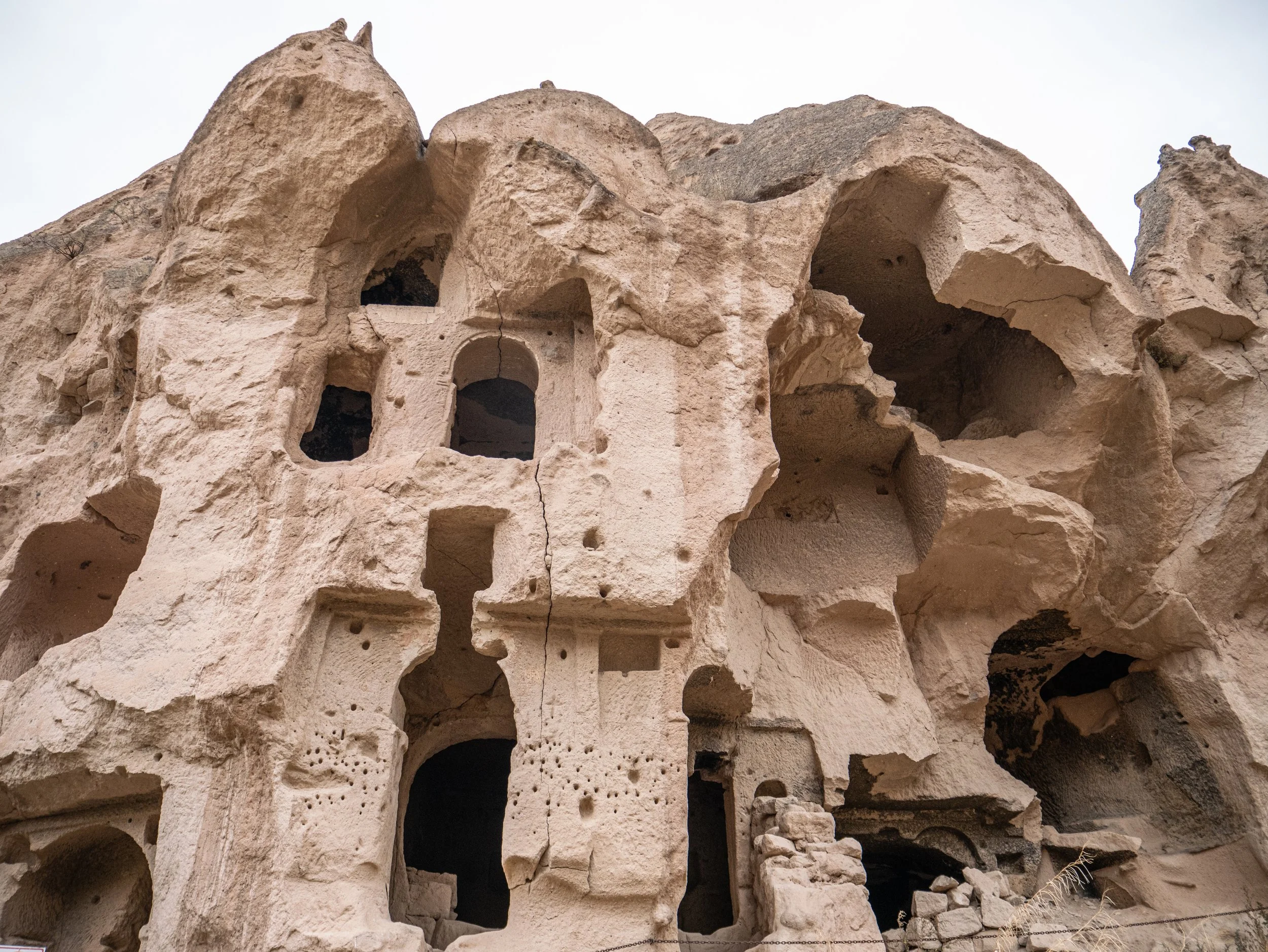
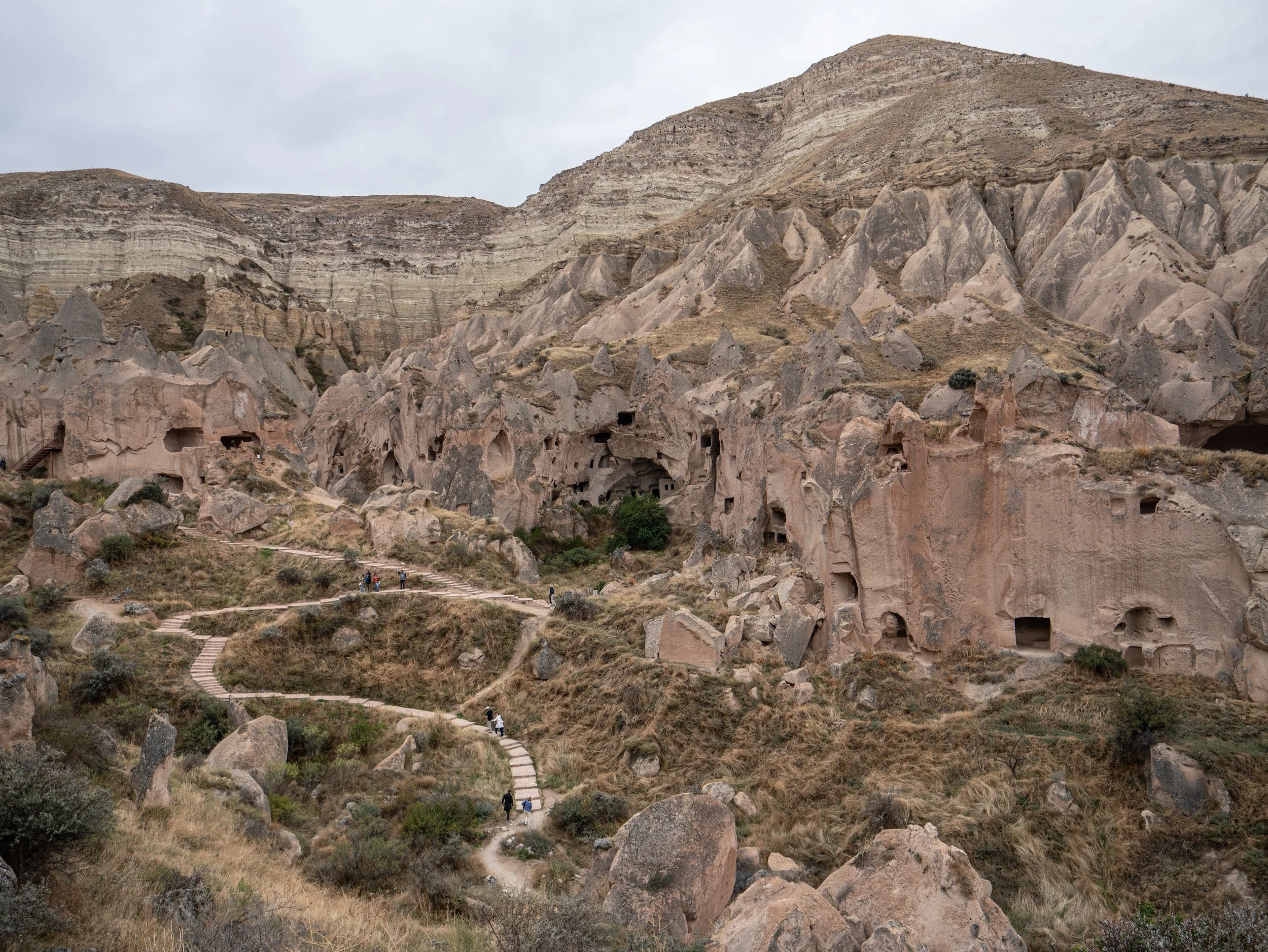
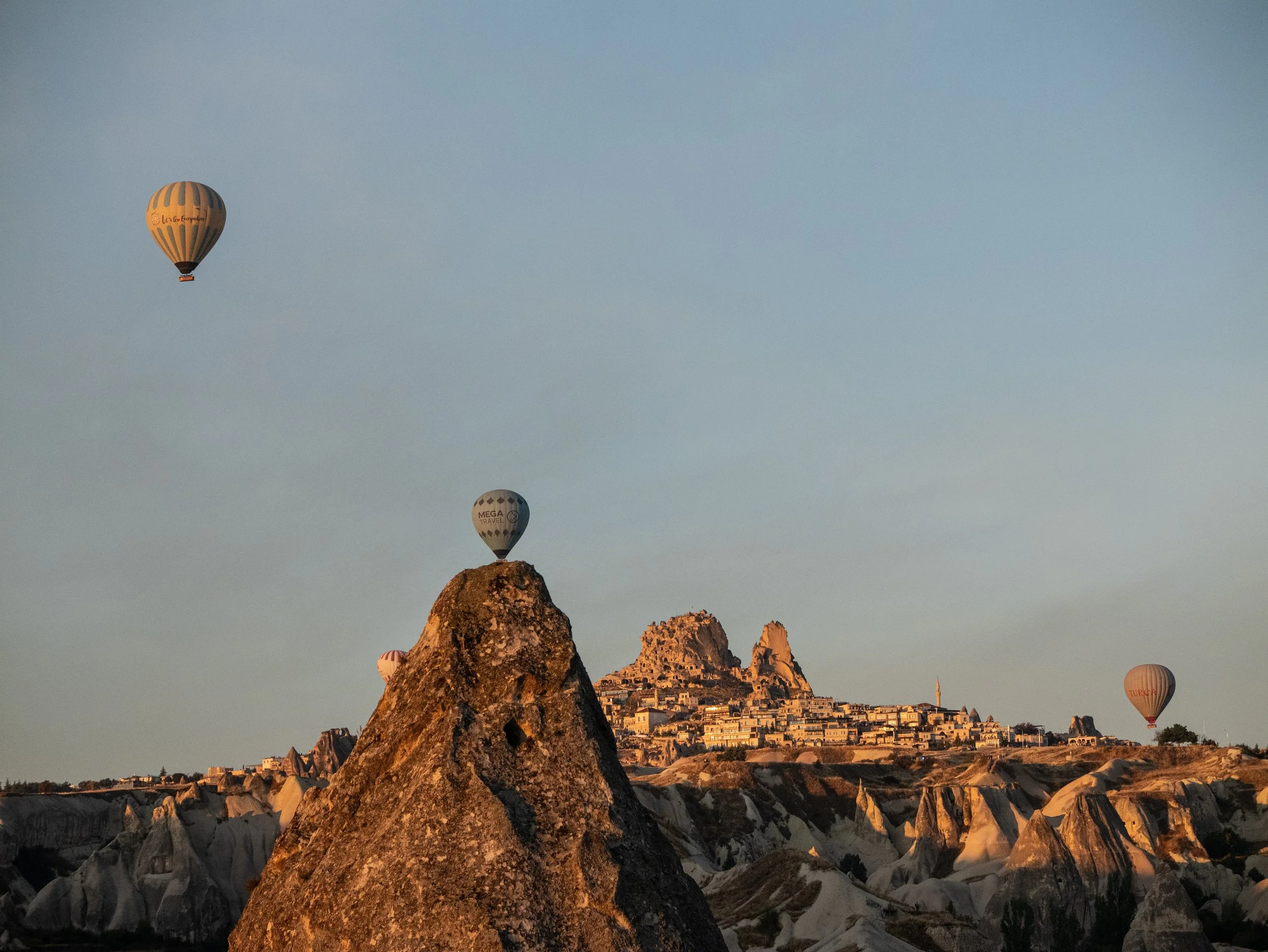
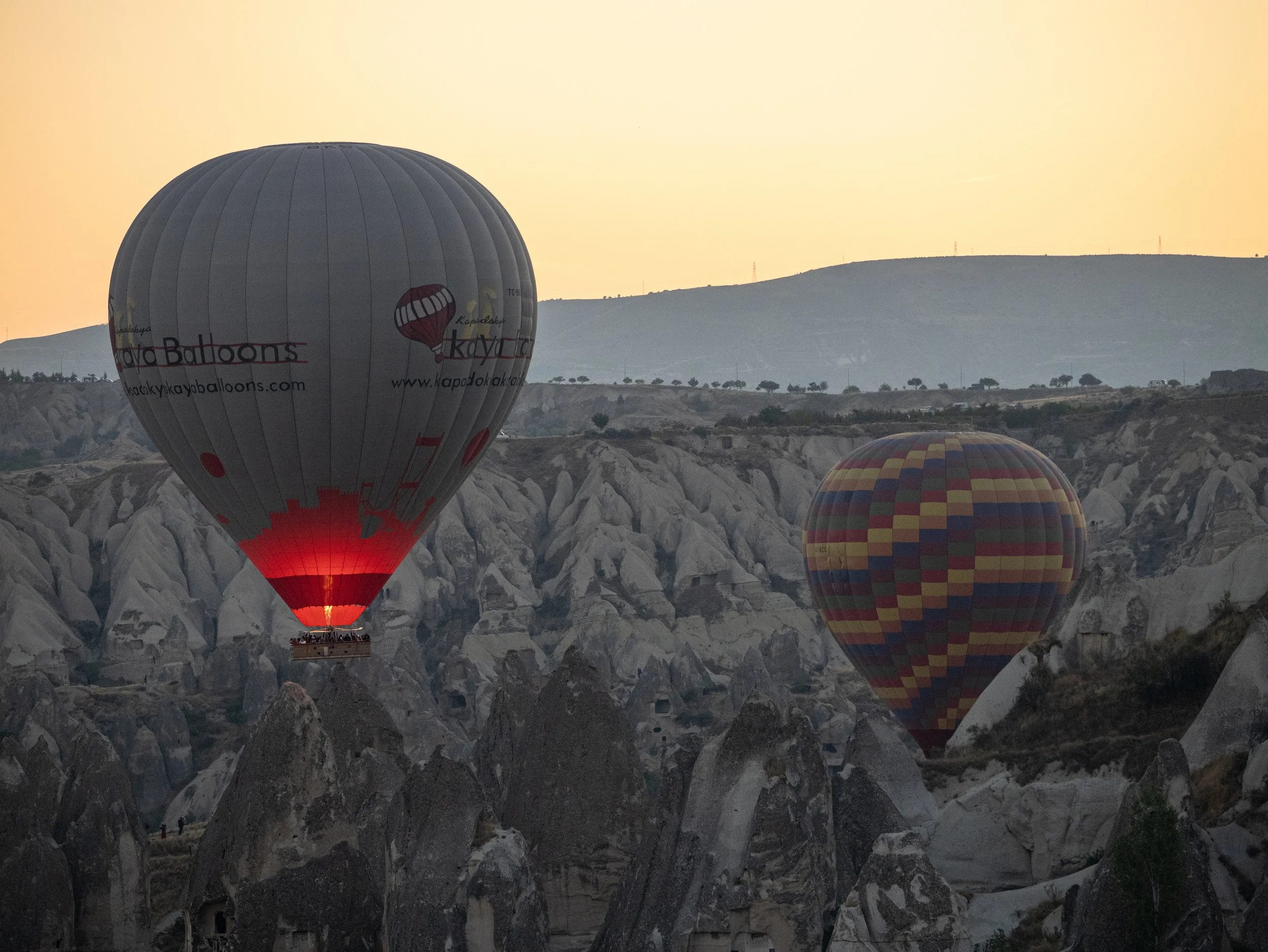
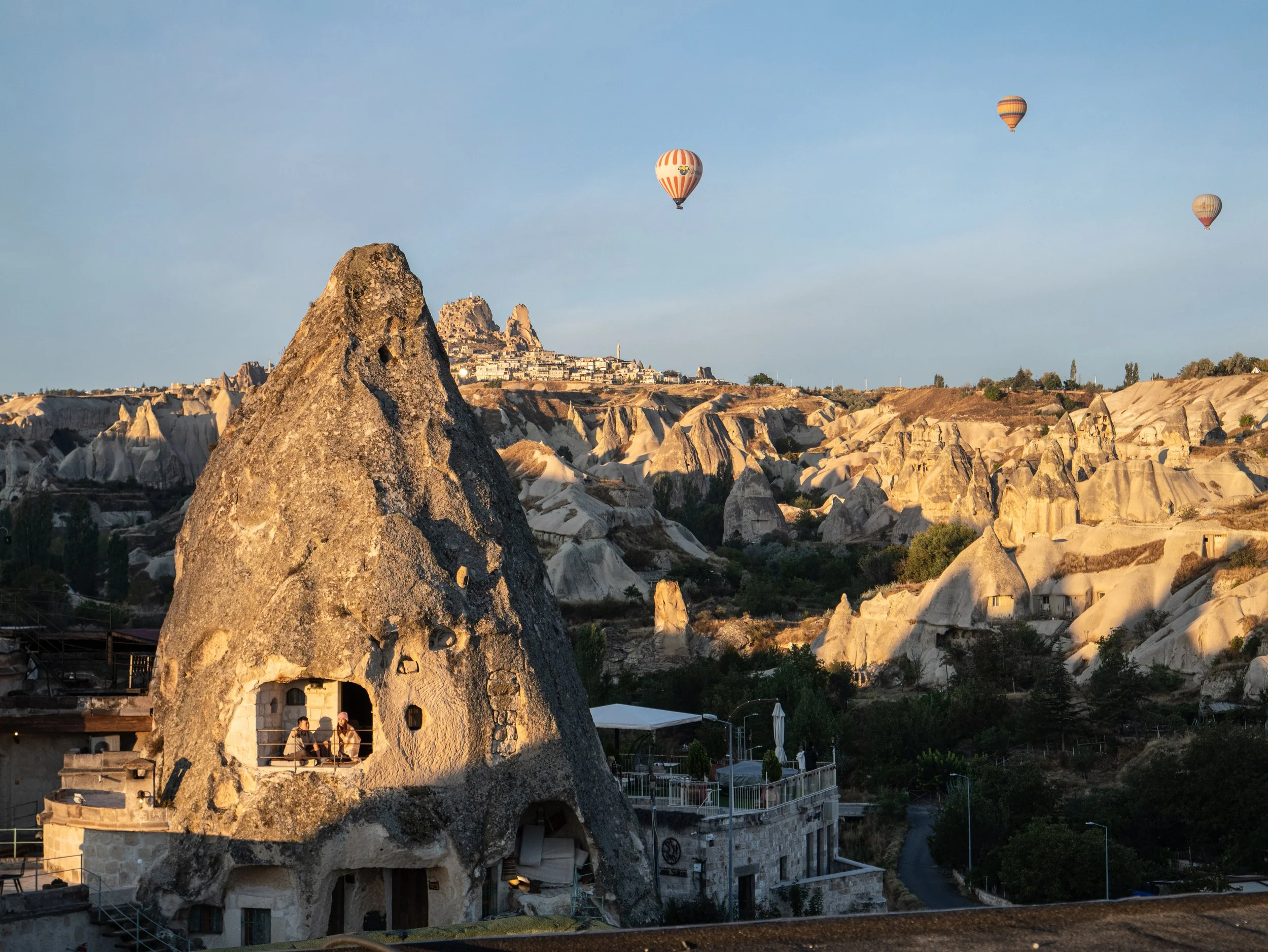
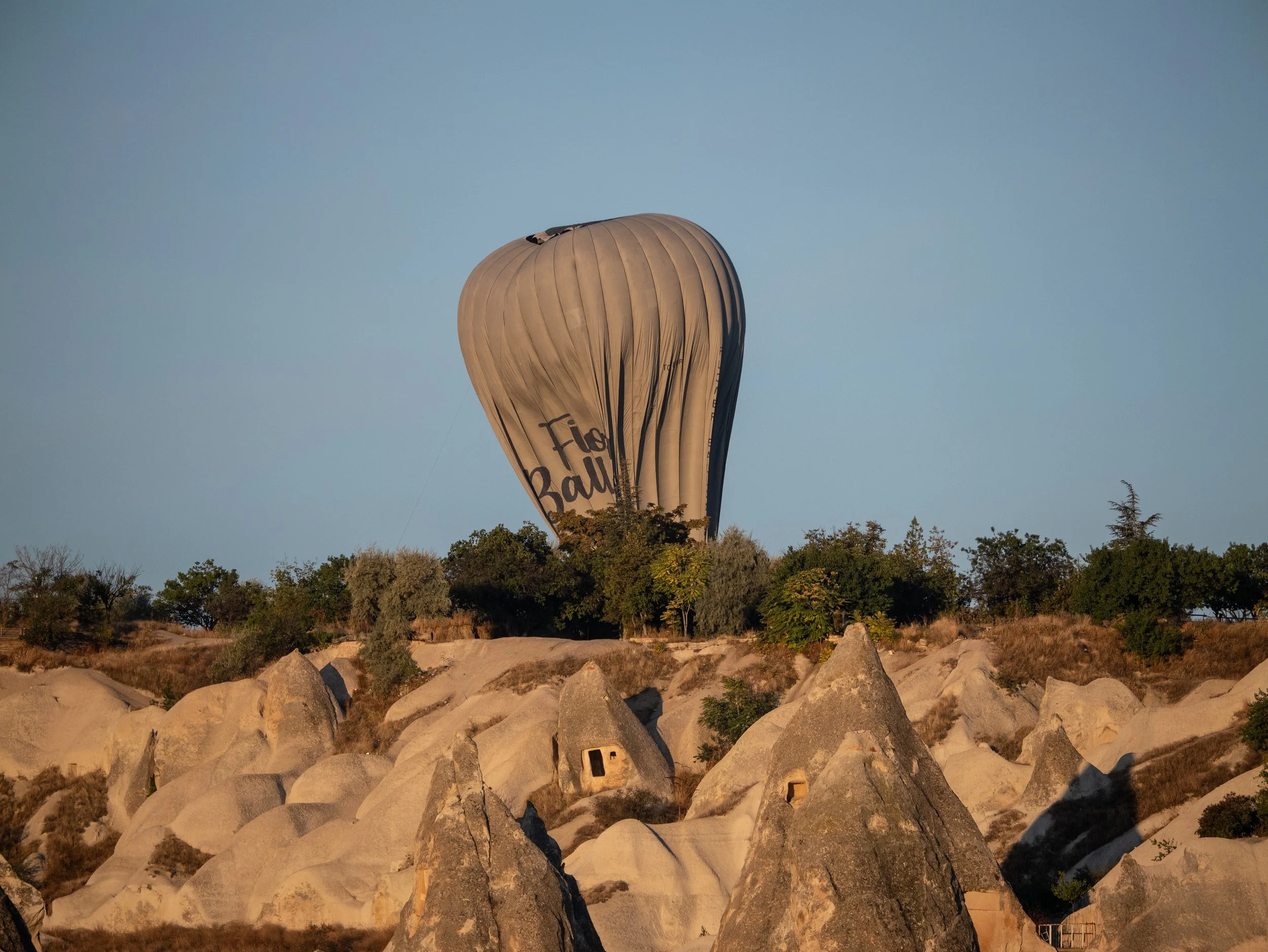
Cappadocia is unique. Millions of years ago, volcanic eruptions blanketed the area in thick ash that hardened into soft volcanic rock called tuff. Wind and water erosion sculpted this rock into dramatic spires, cones, and pillars known as fairy chimneys. It’s a little like the Hoodoos in Alberta but on a much, much larger scale.
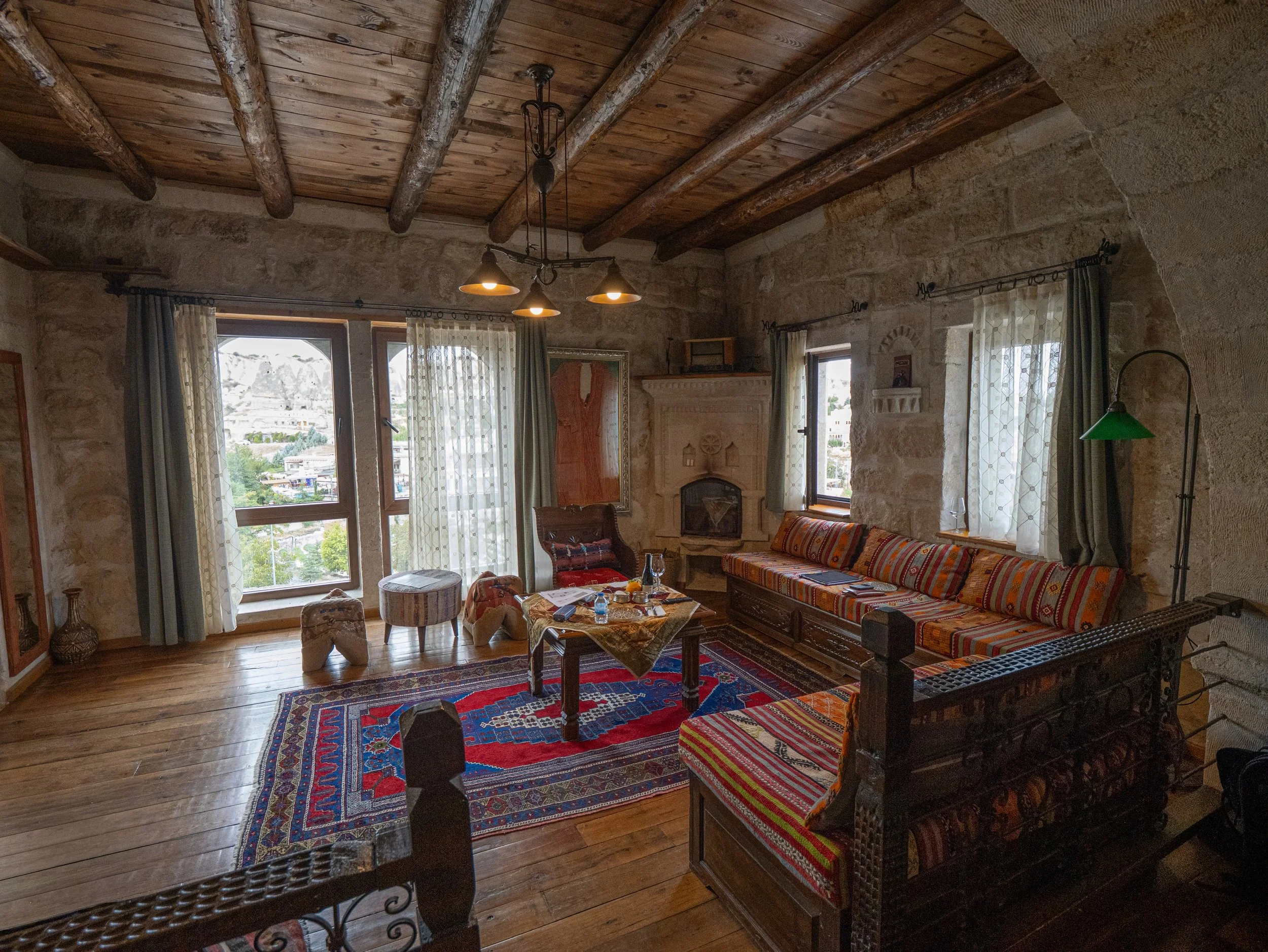
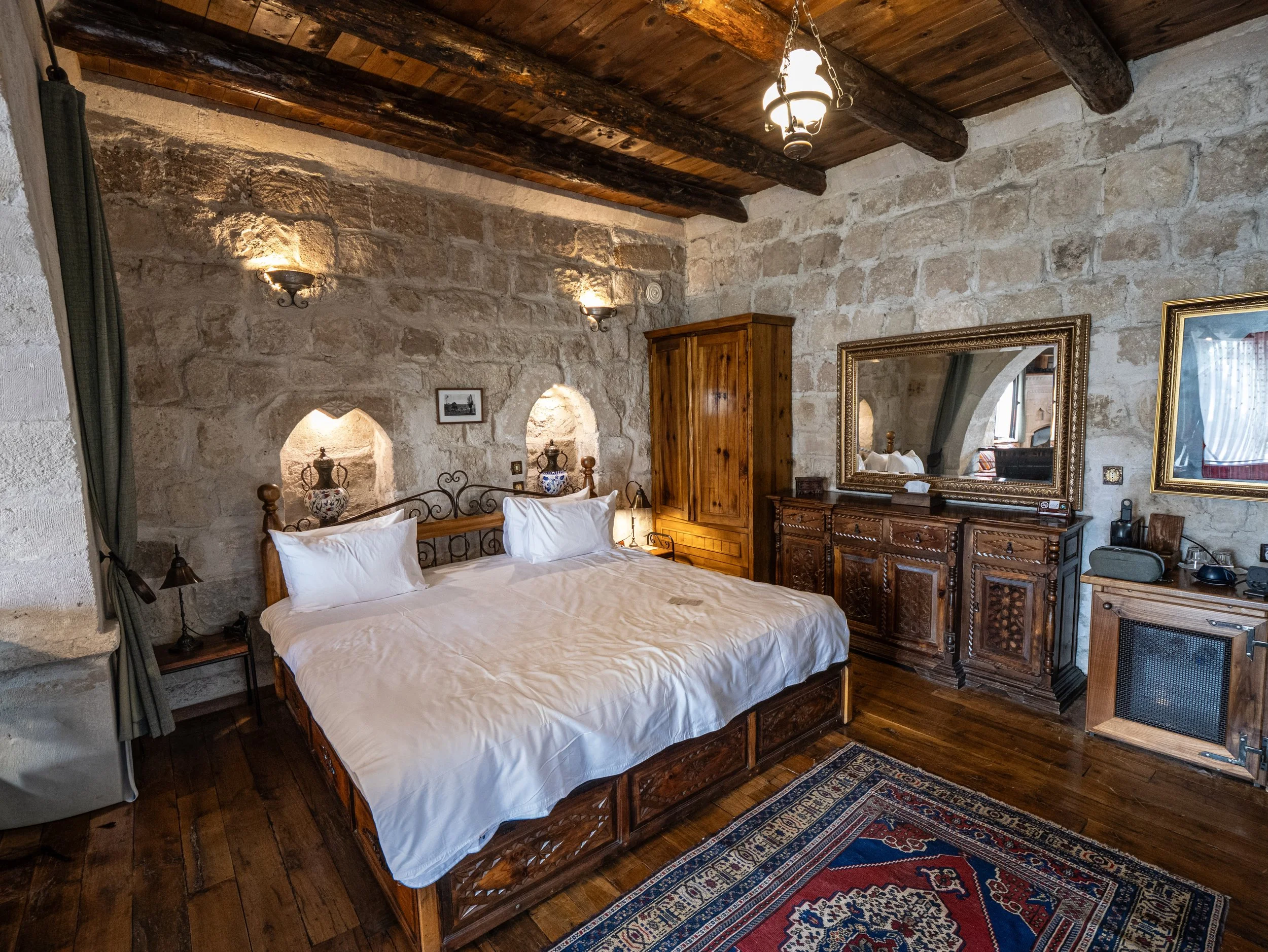
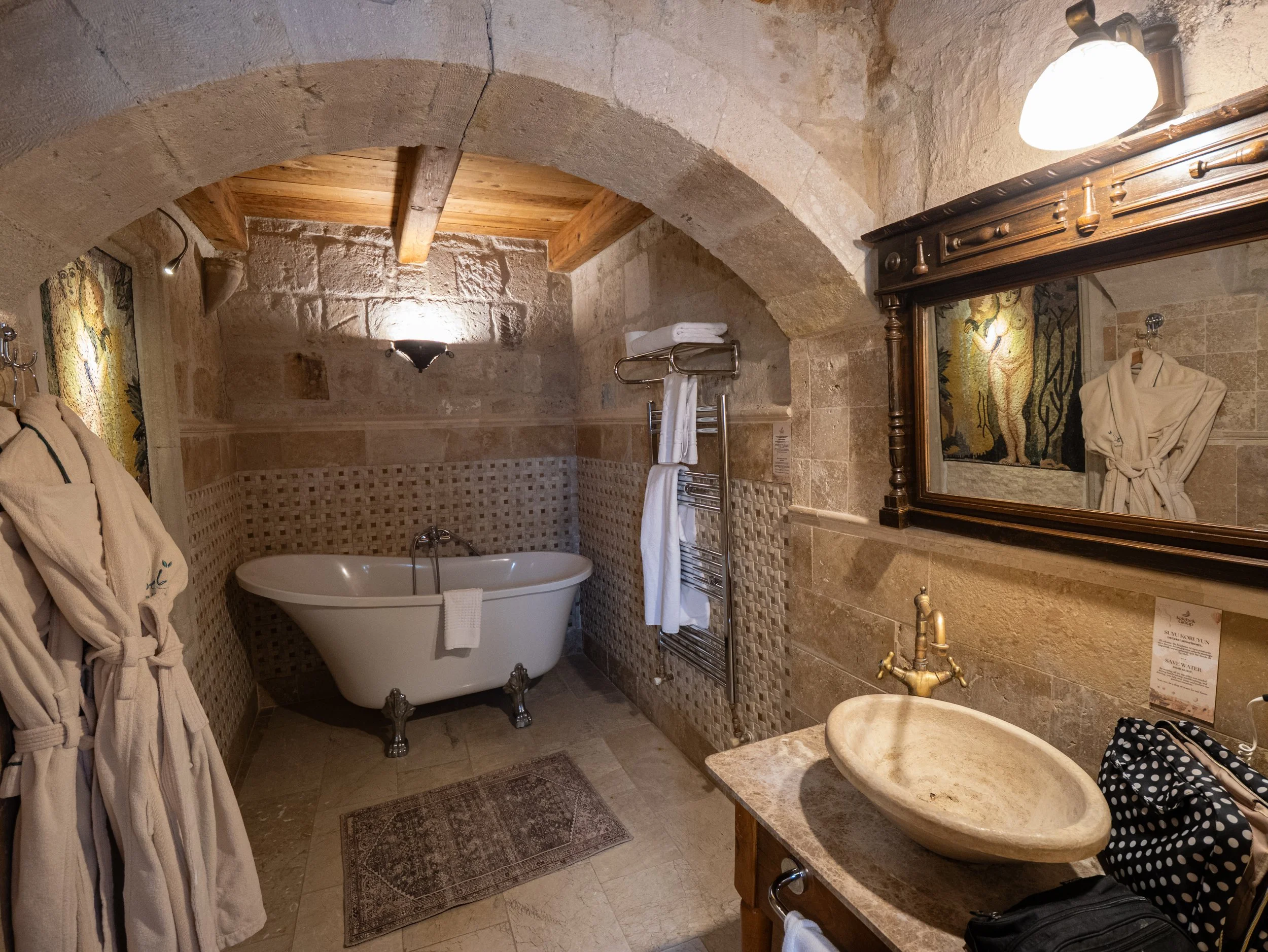
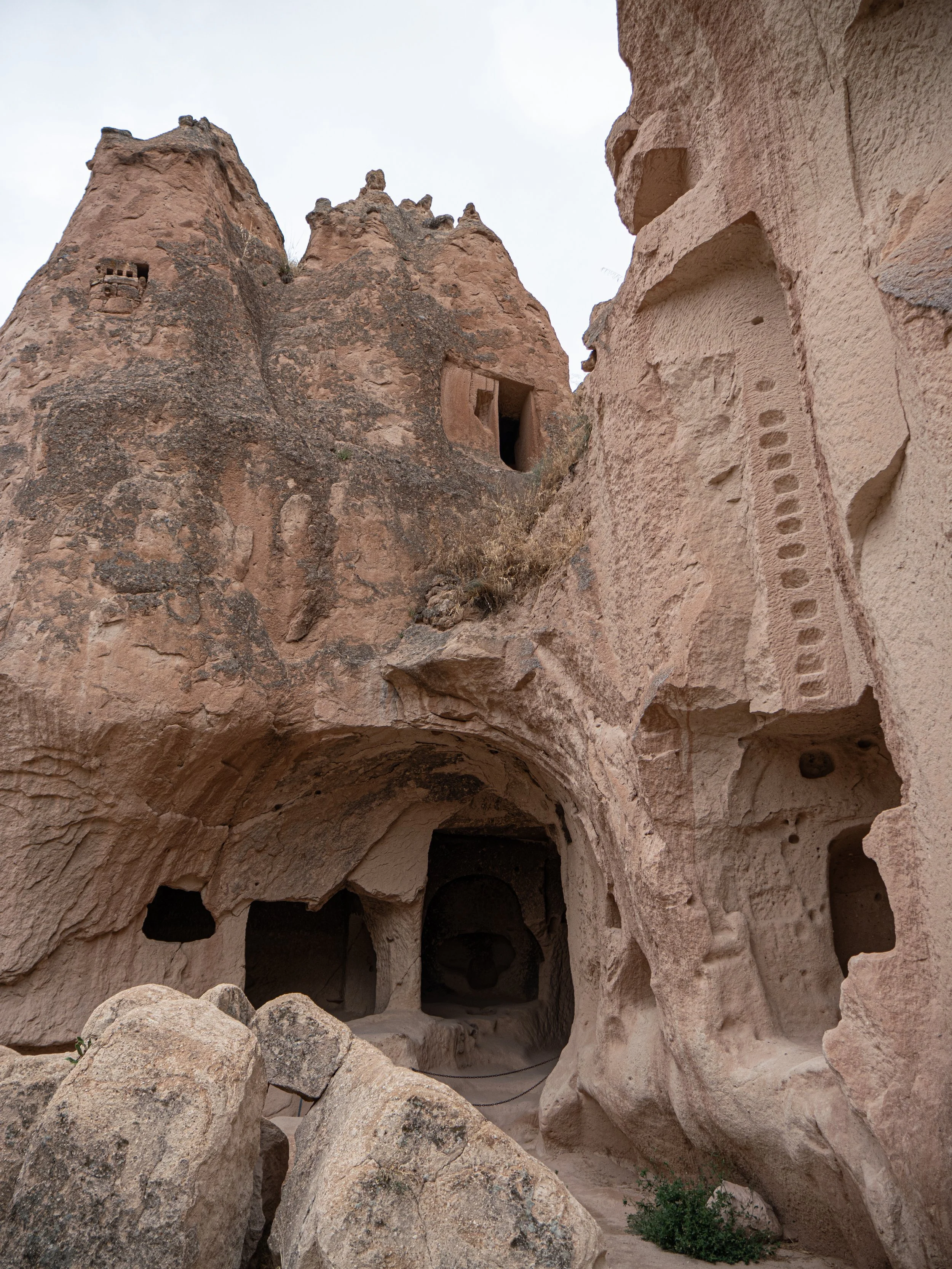
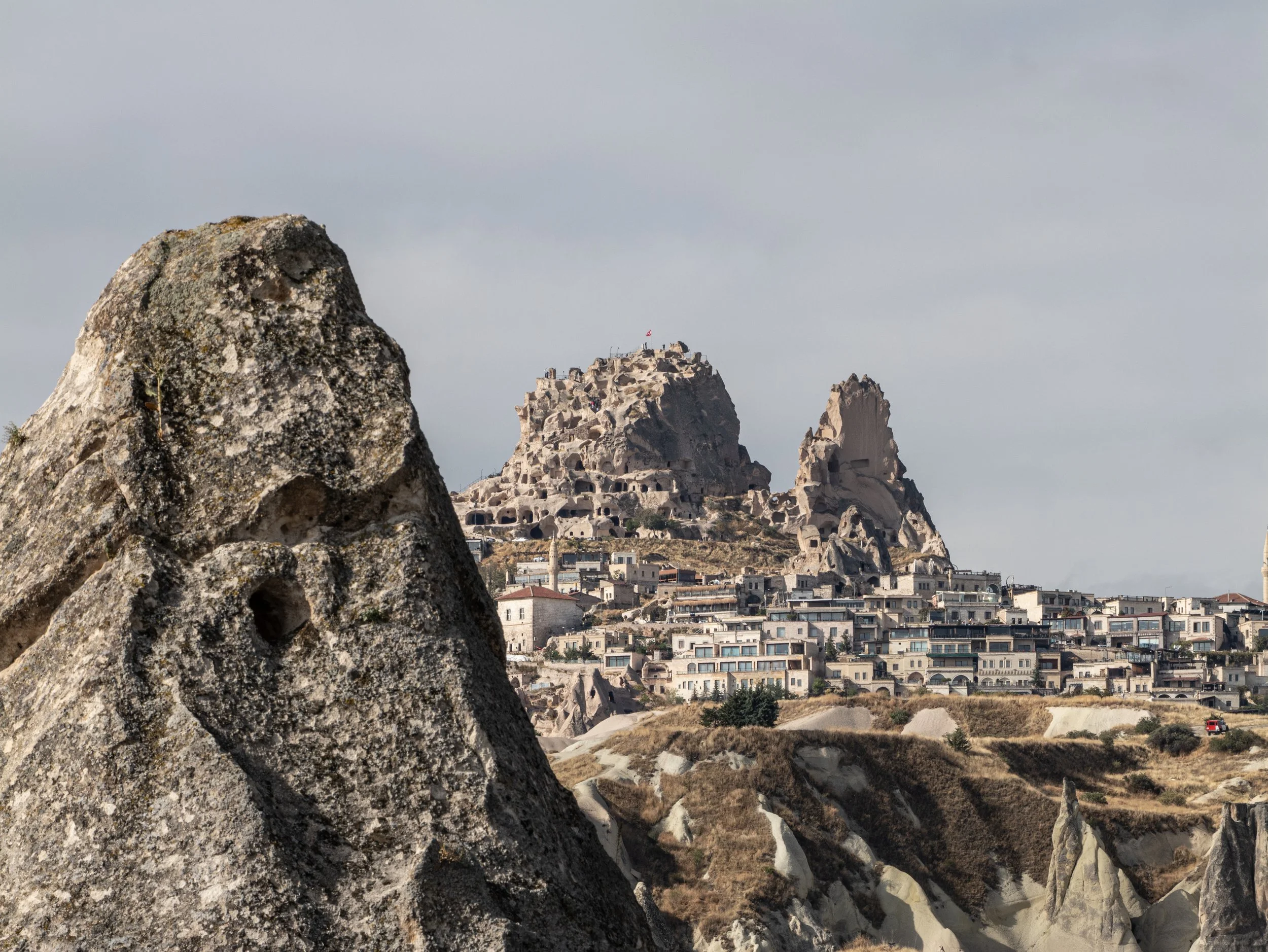
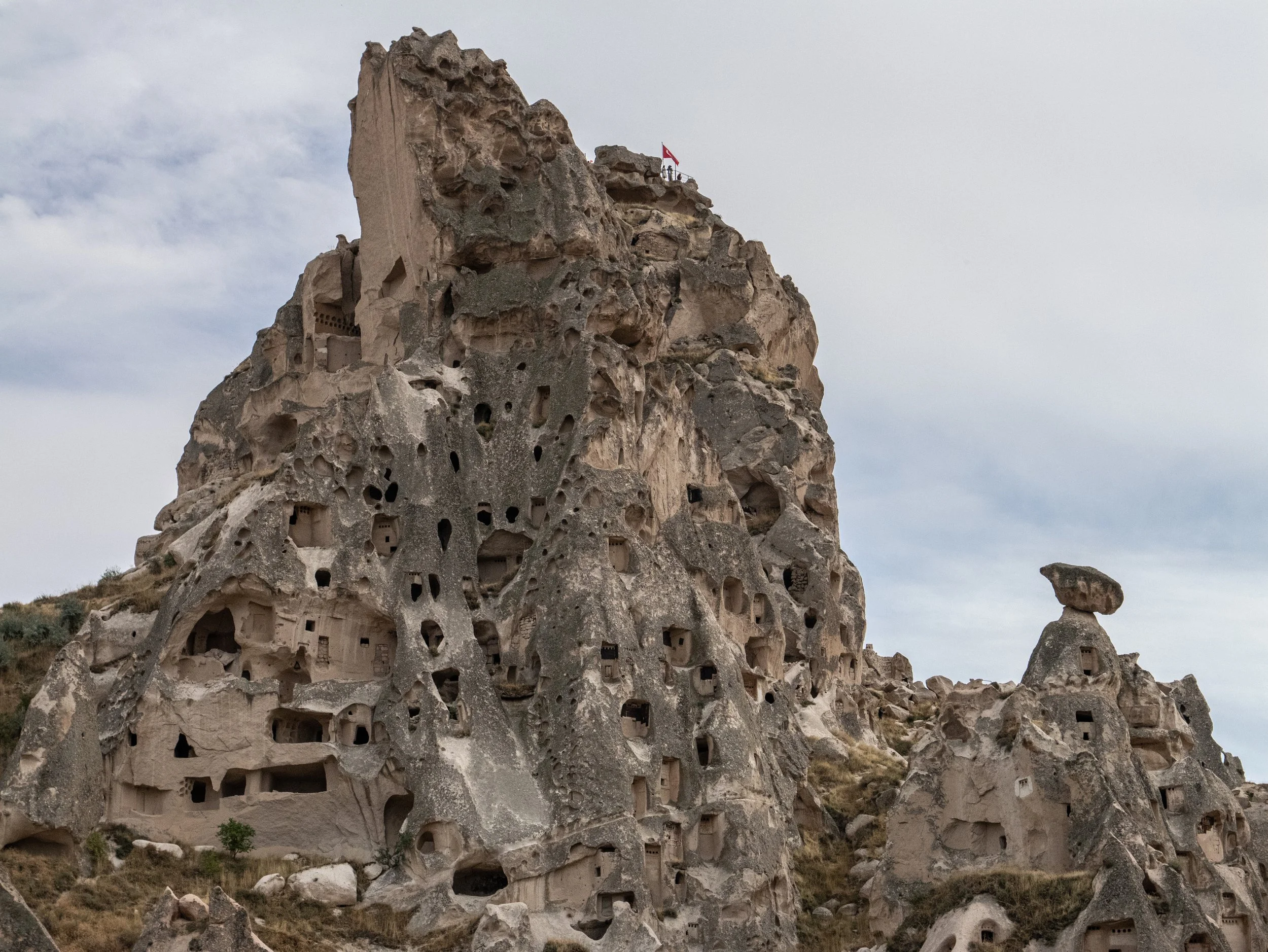
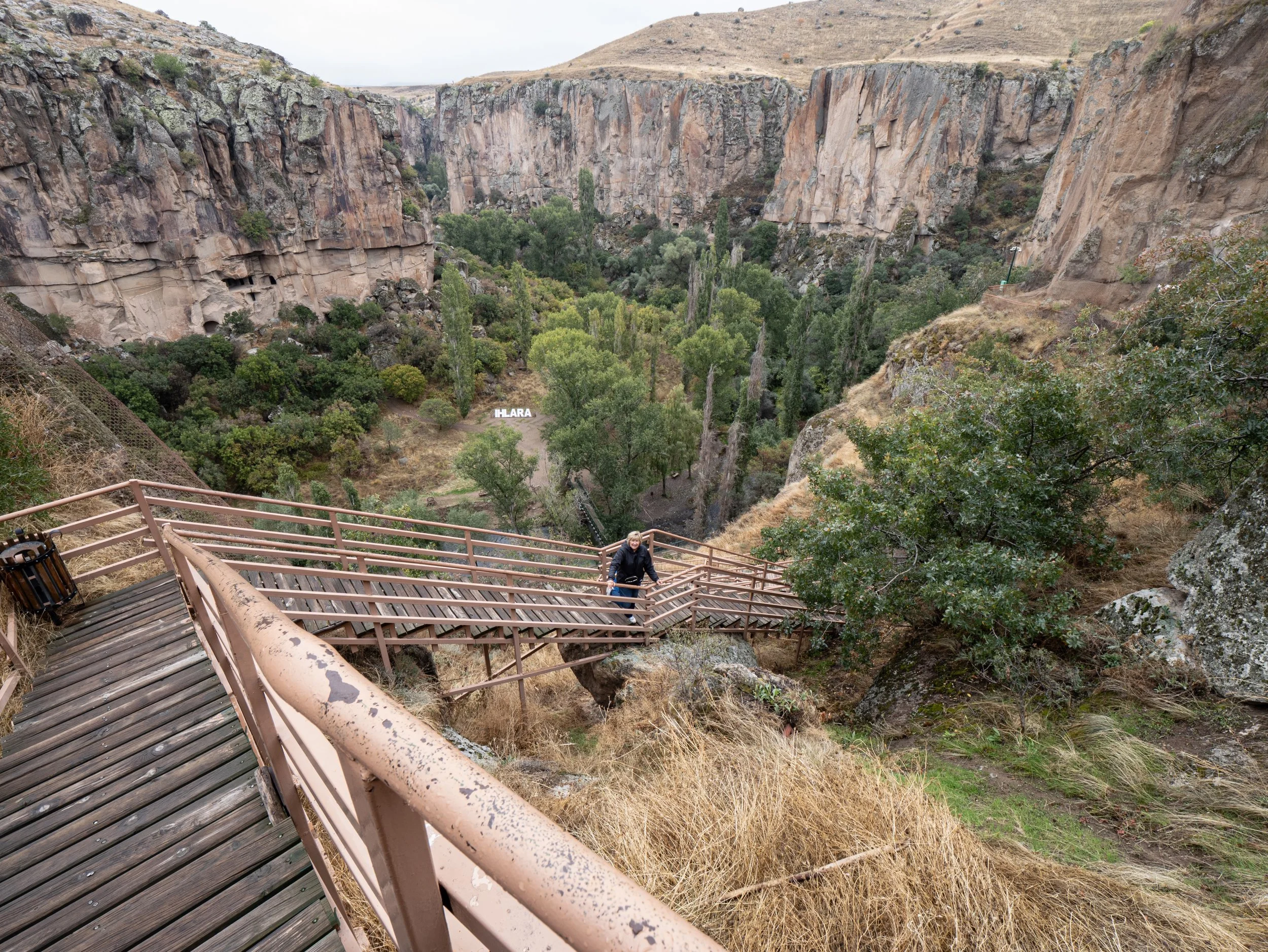
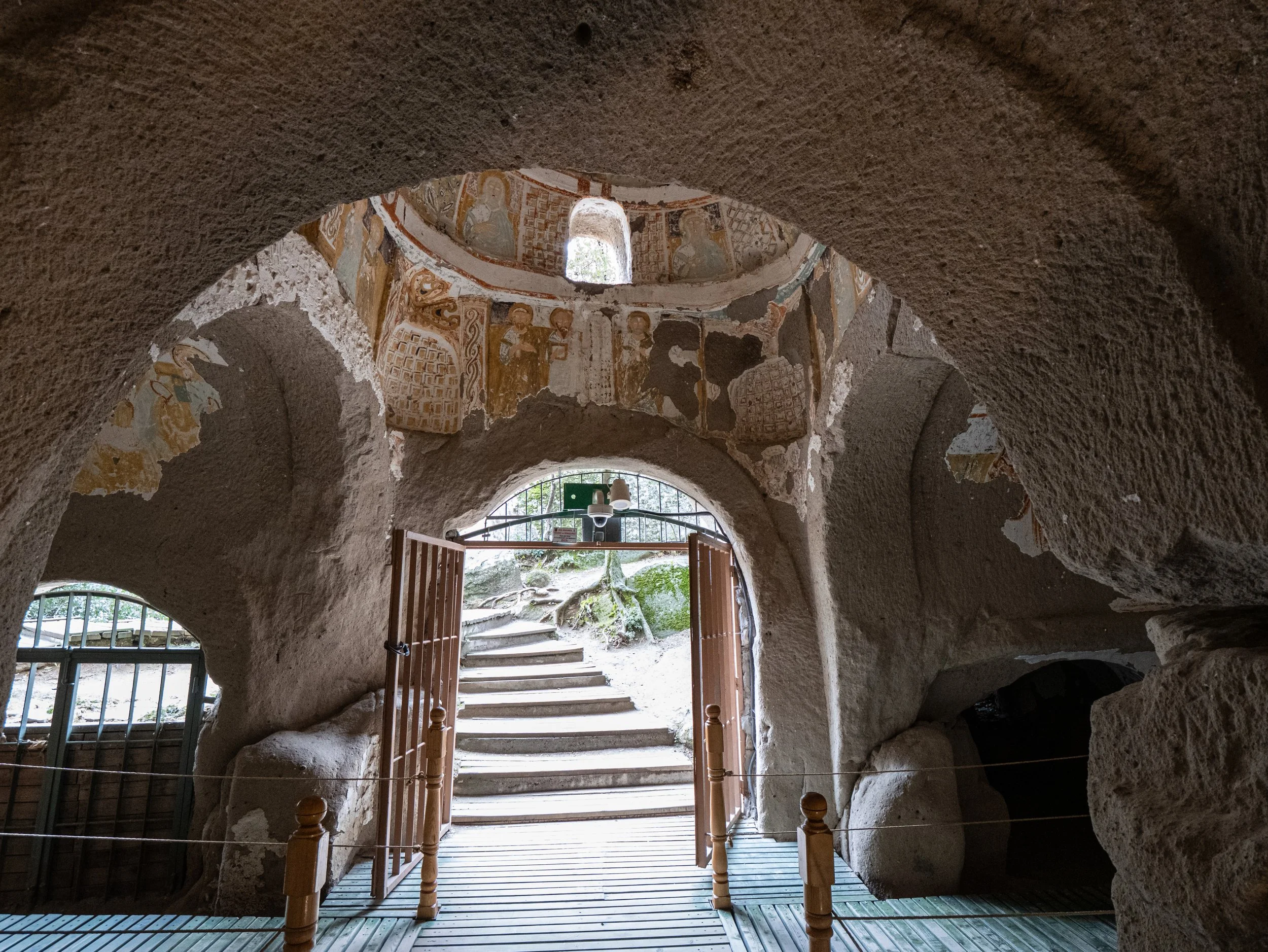
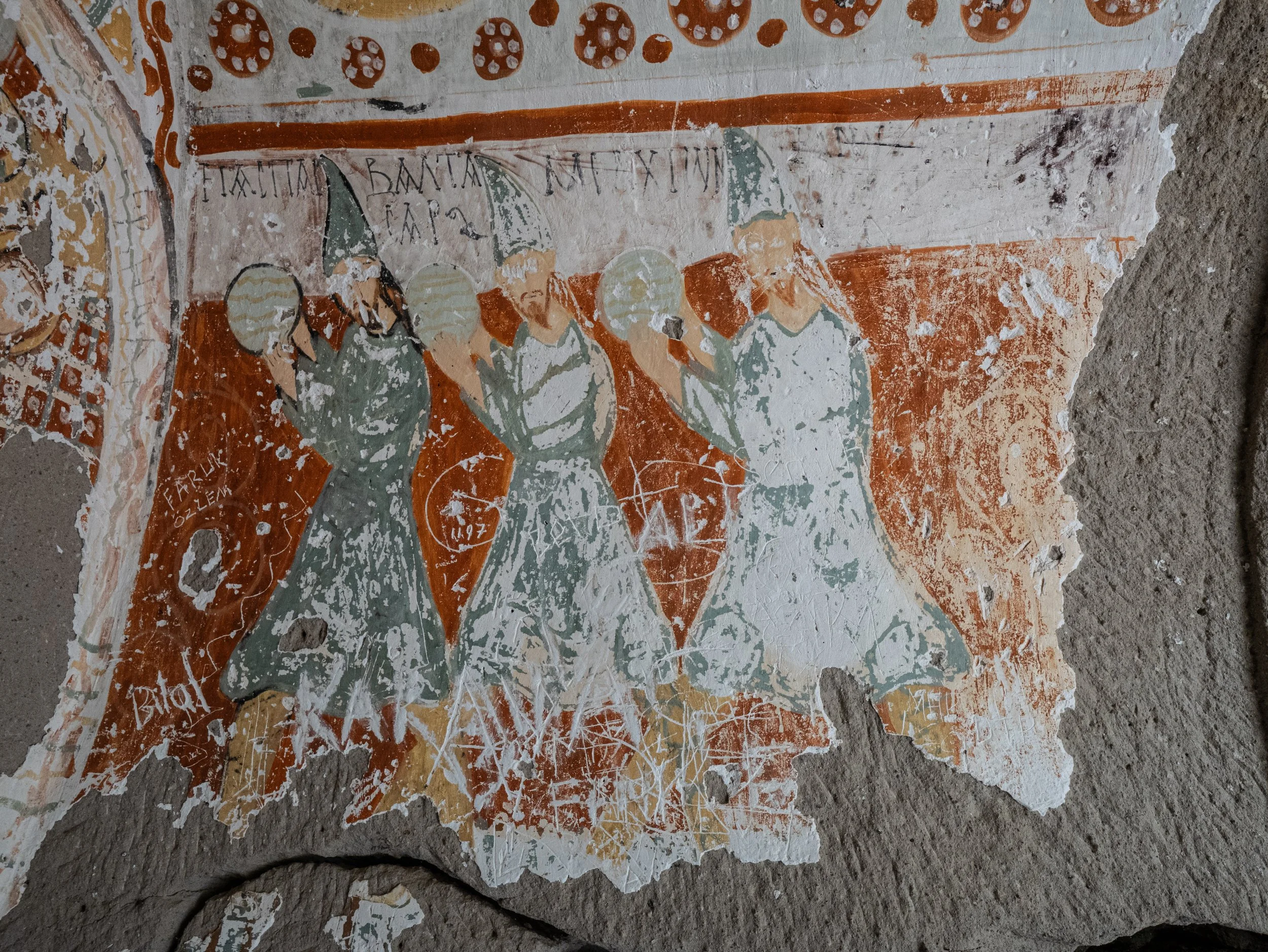
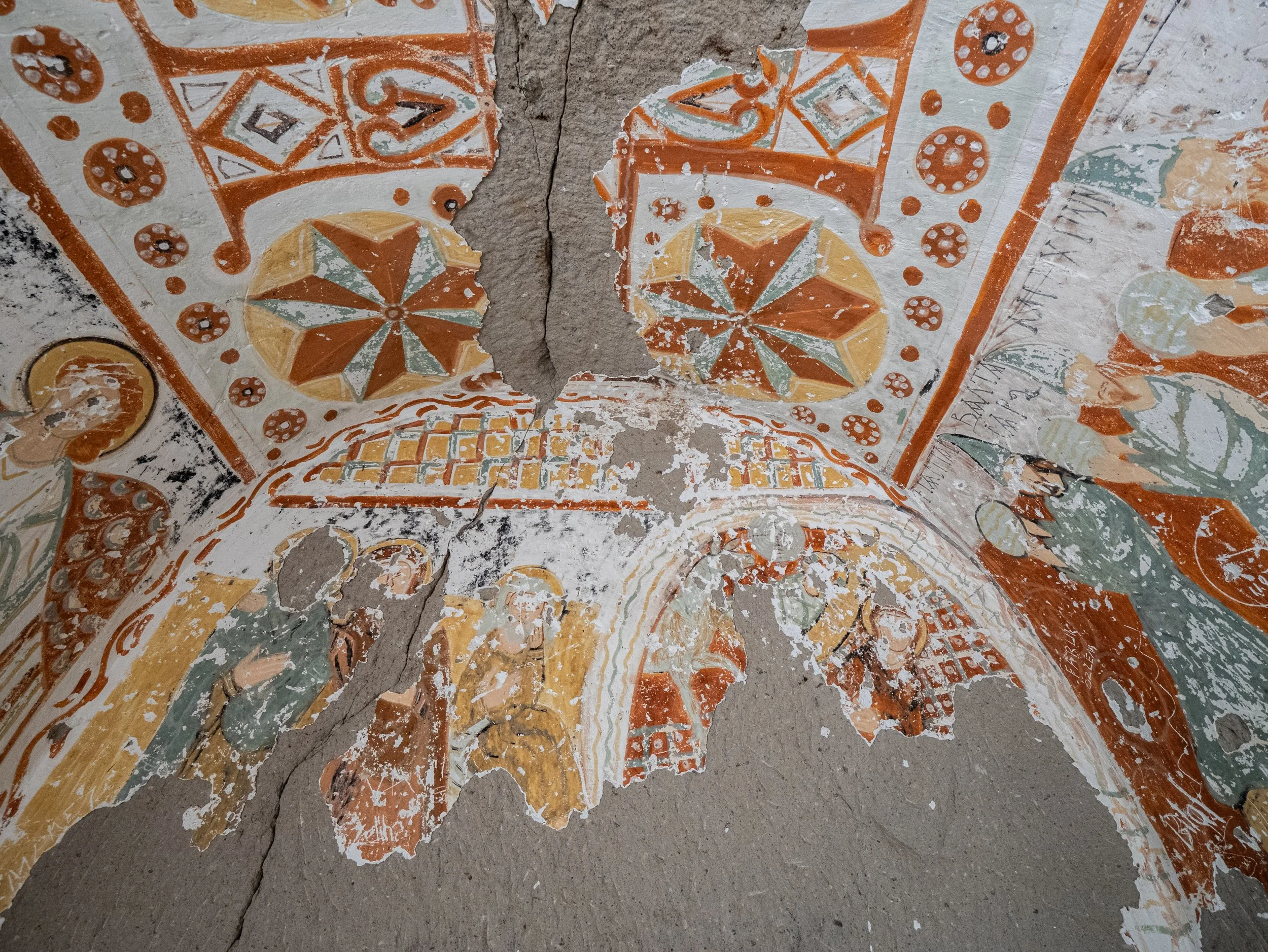
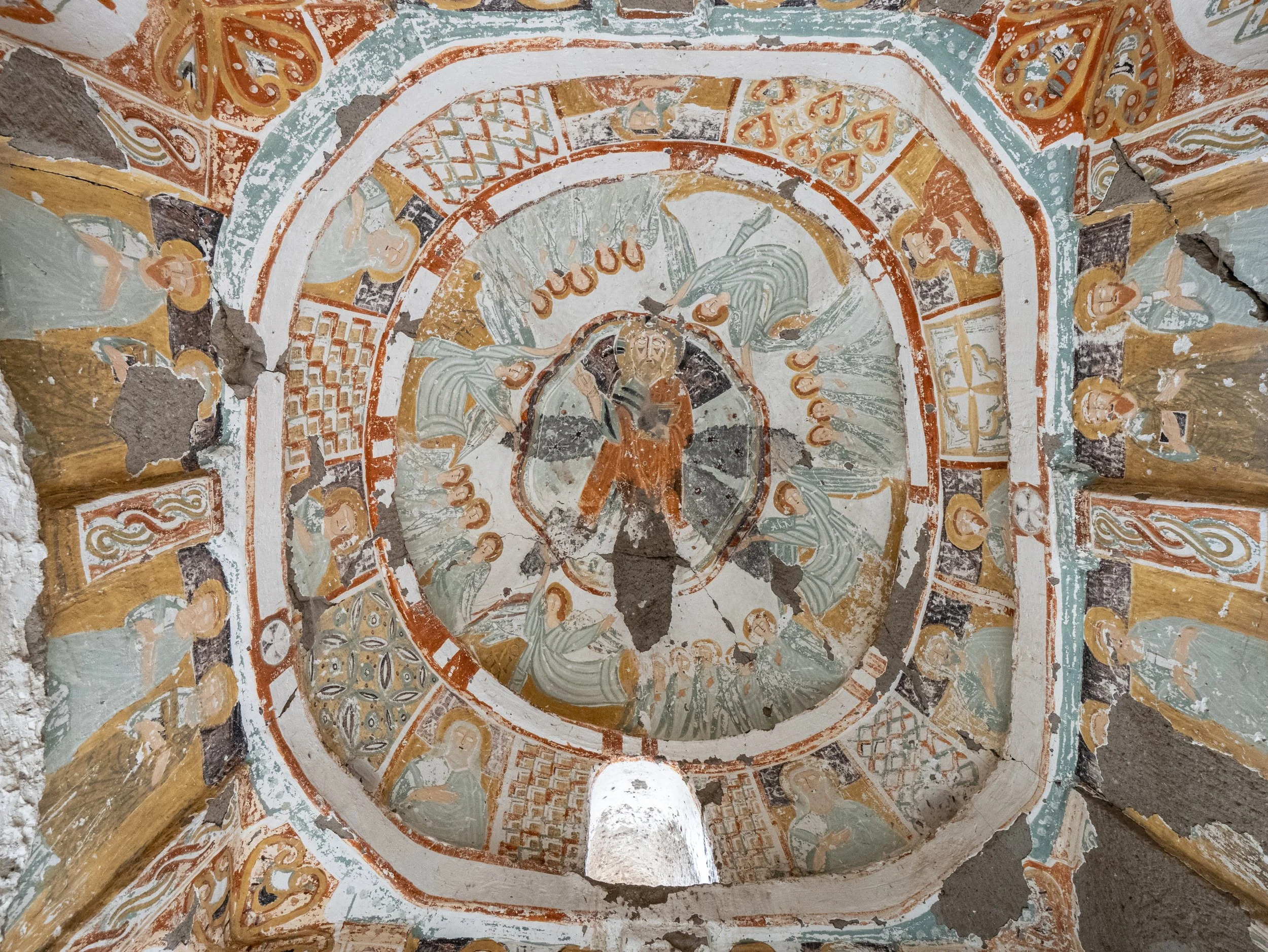
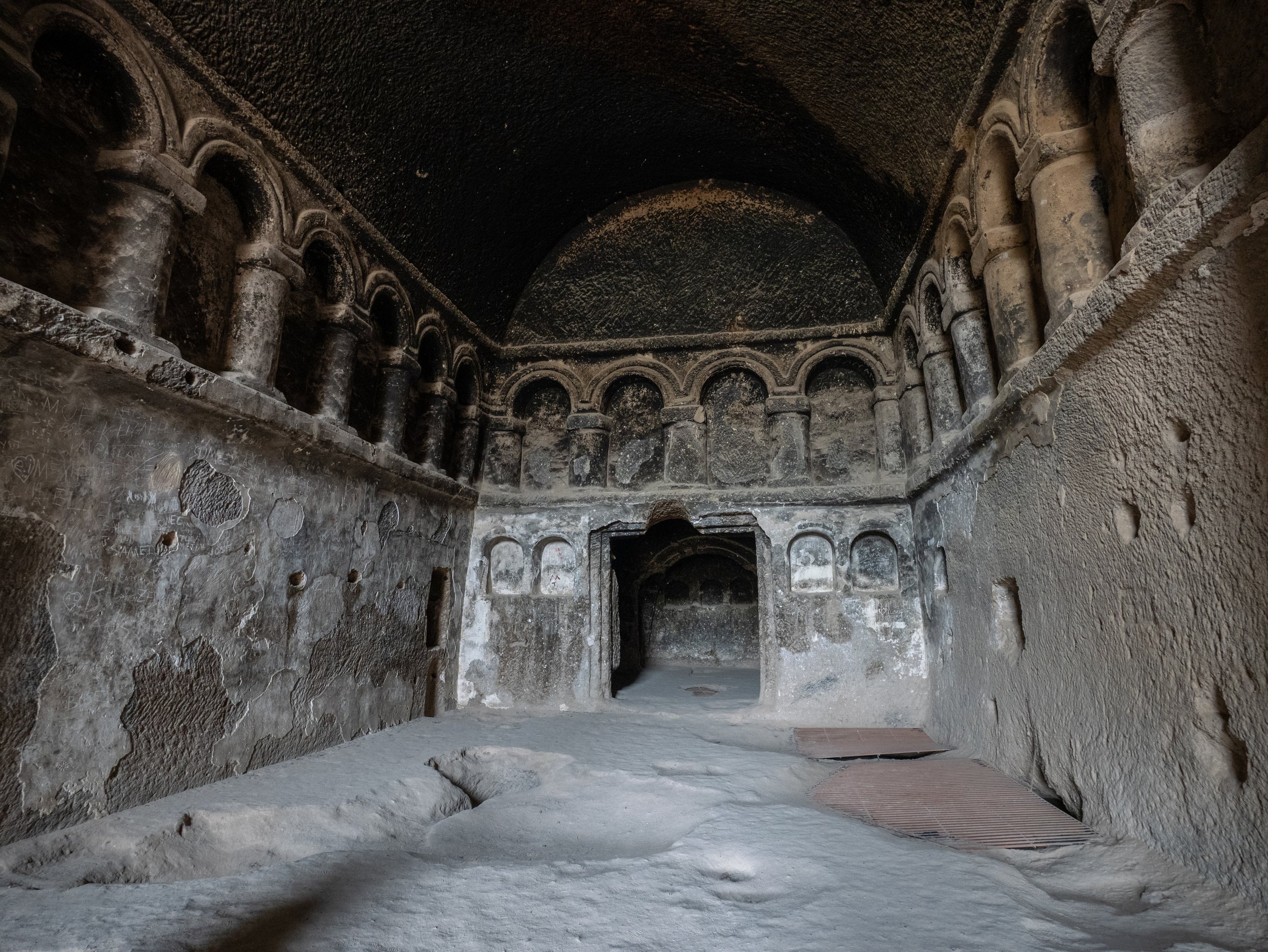
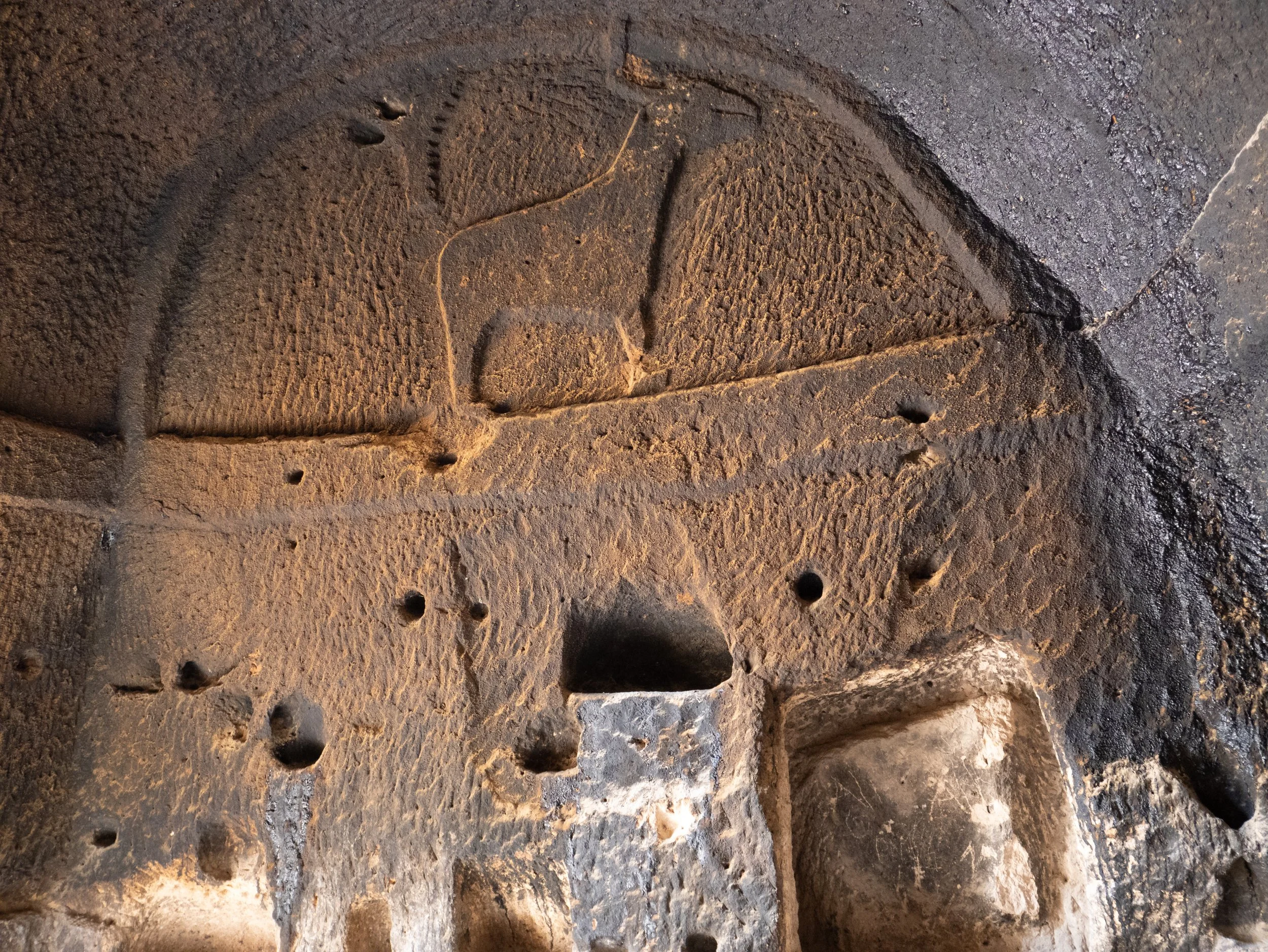
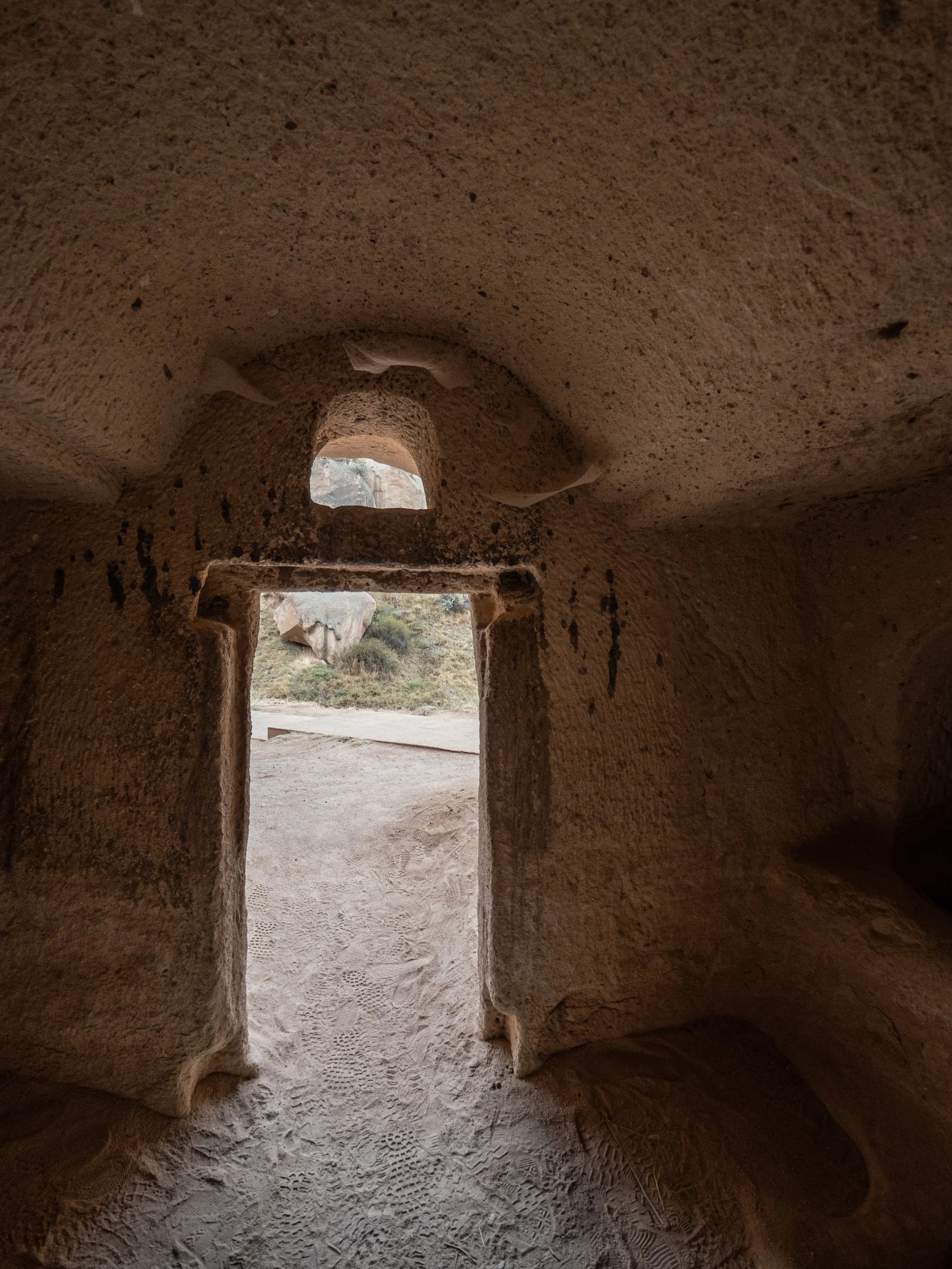
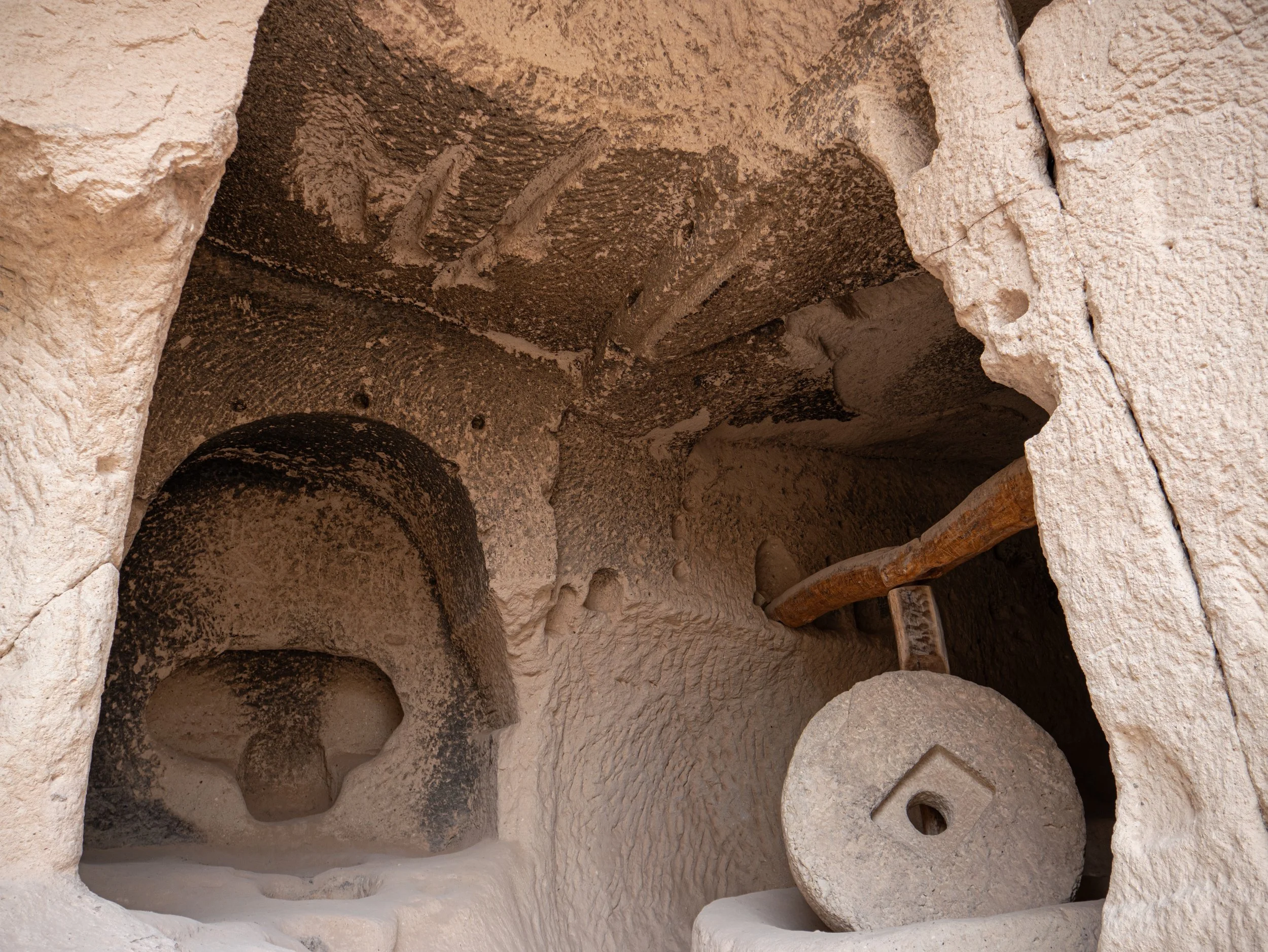
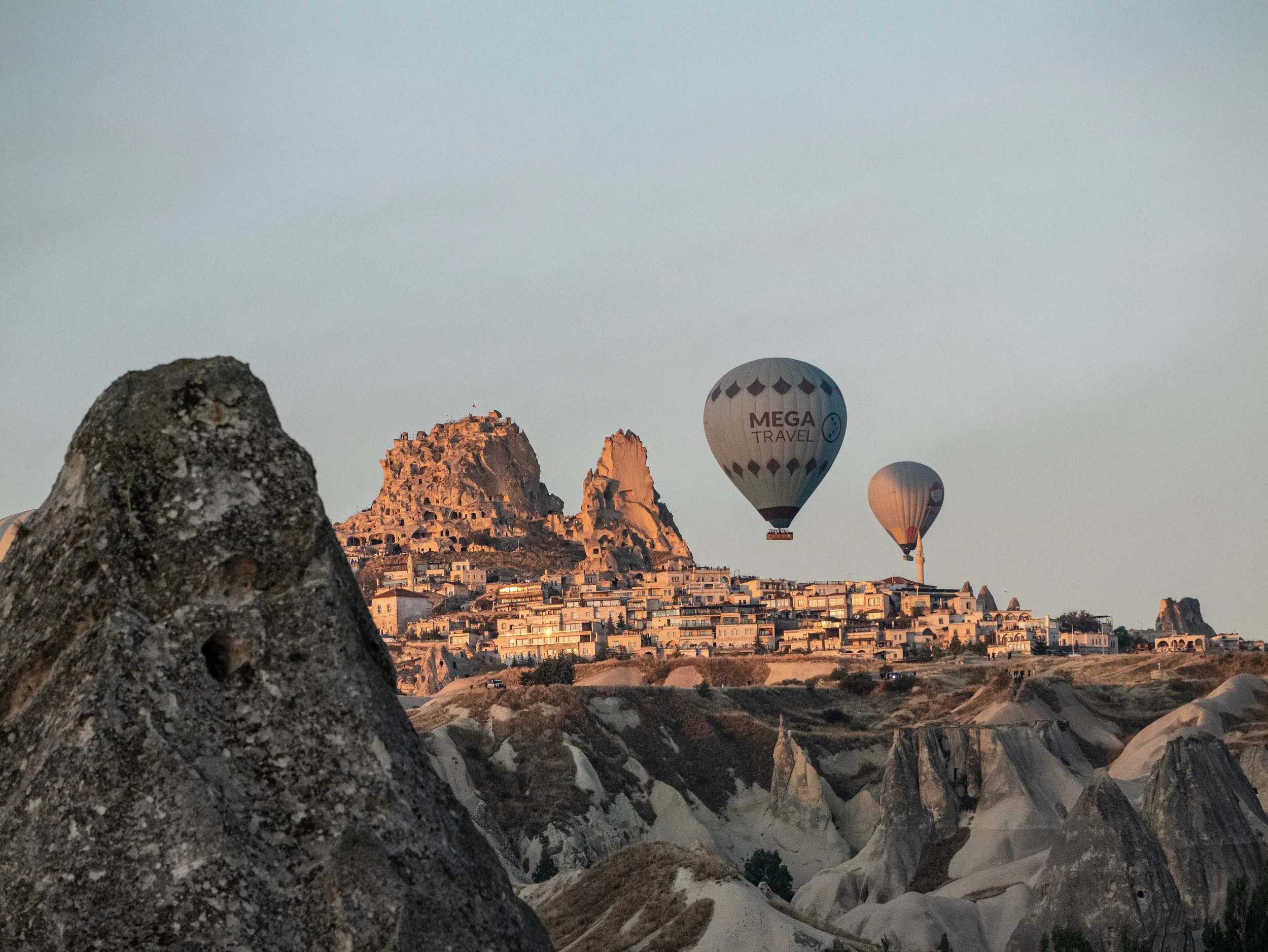
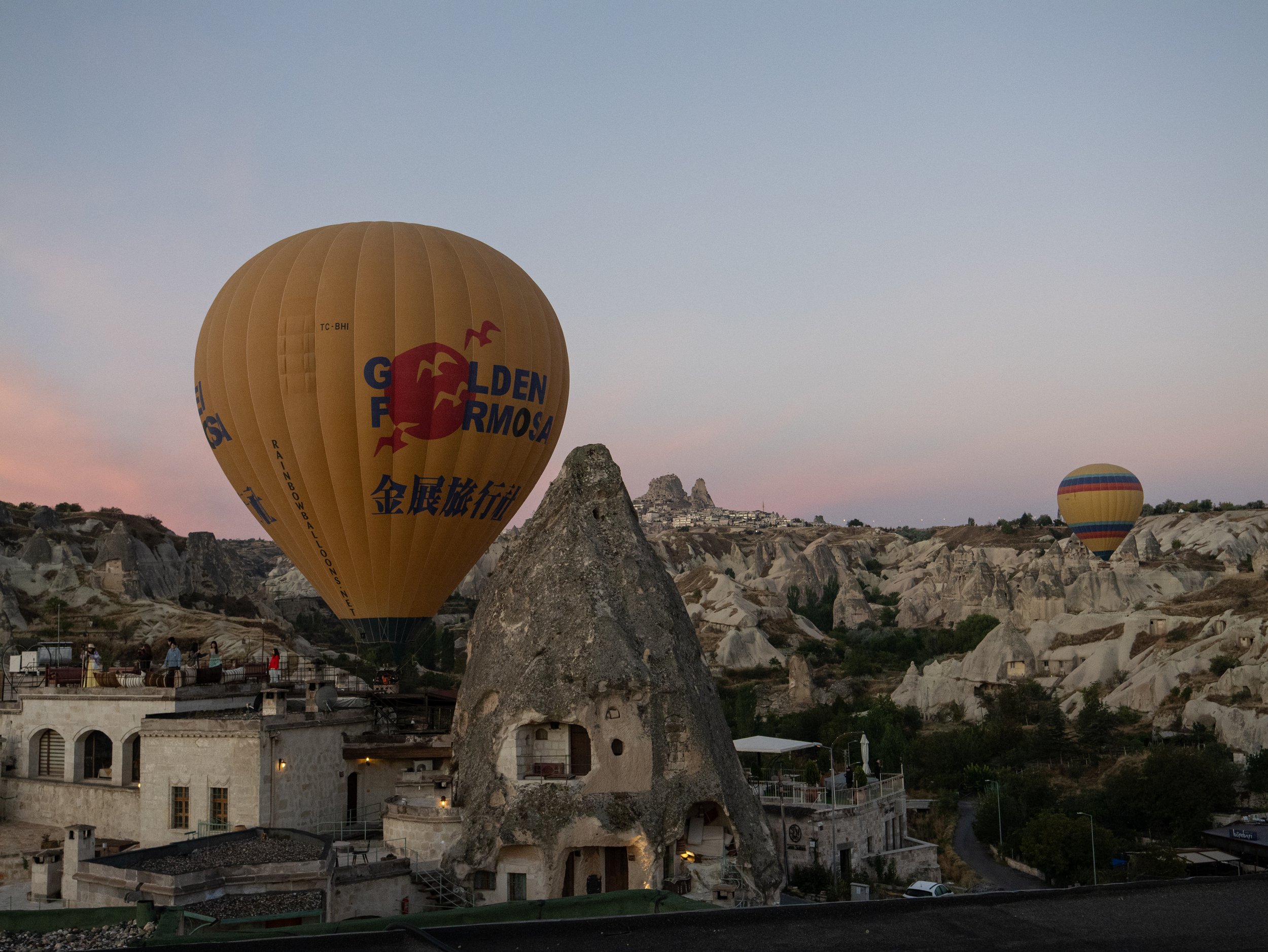
Our base was the intriguing Kelebek Cave Hotel in Göreme., one of the neatest hotels we’ve ever stayed in - but not one, perhaps, for those with heart or knee problems! On our first day, we visited the Göreme Open Air Museum (a UNESCO World Heritage Site) featuring numerous cave churches and monastic complexes cut into the cliffs, housing preserved 10th- to 12th-century Byzantine frescoes. Our final stop of the day was Uçhisar castle, a 60m high outcrop riddled with caves.
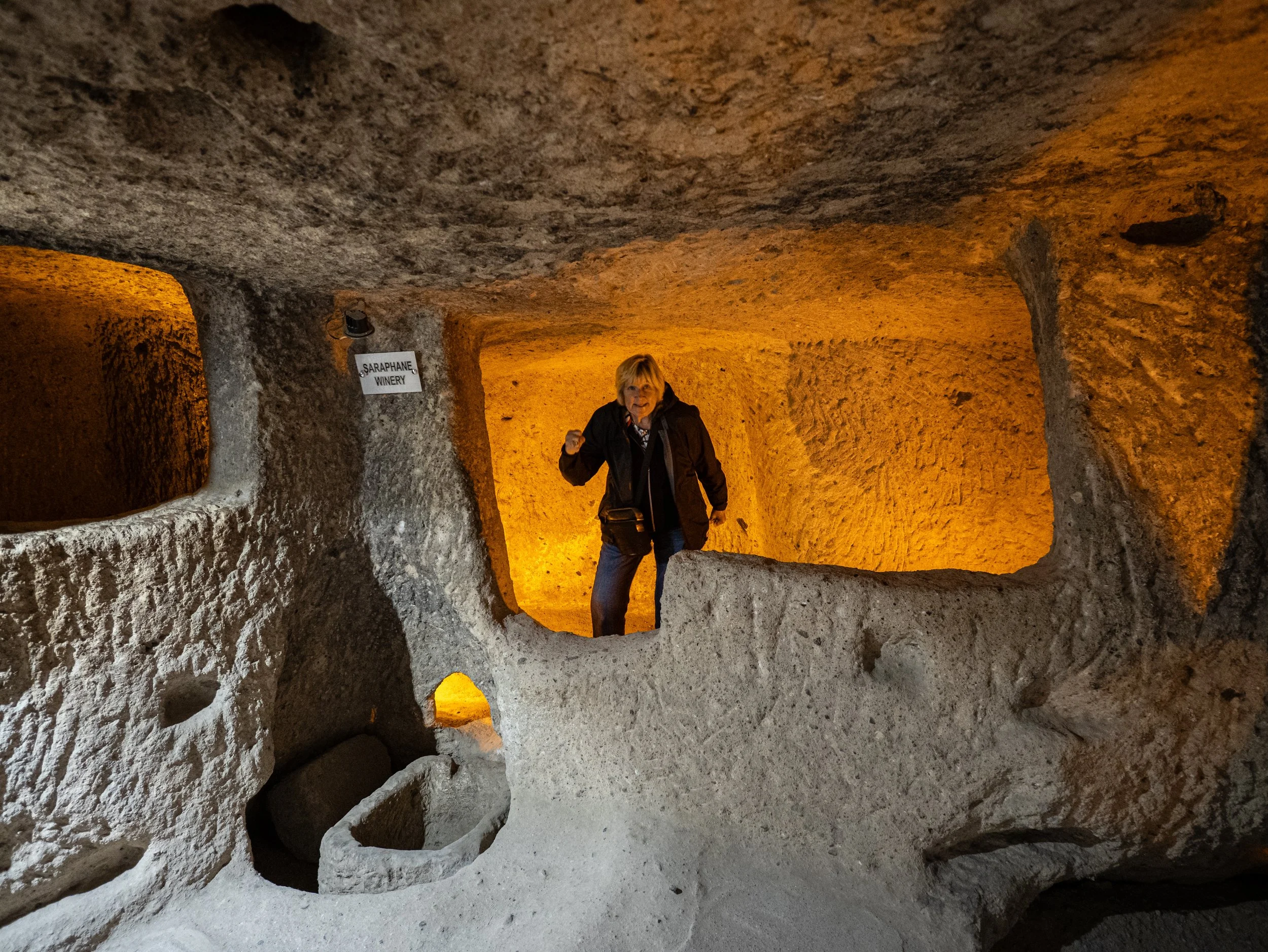
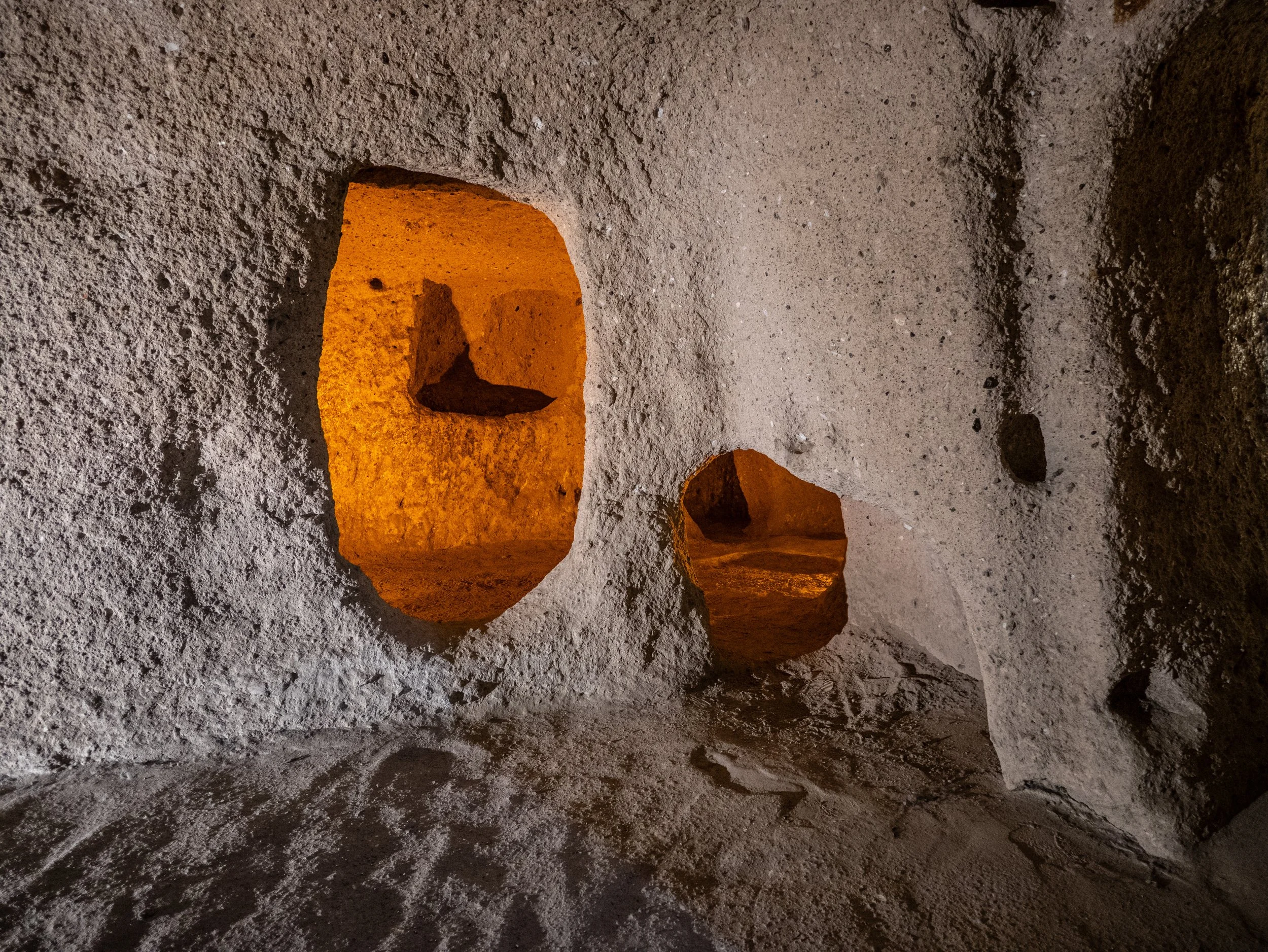
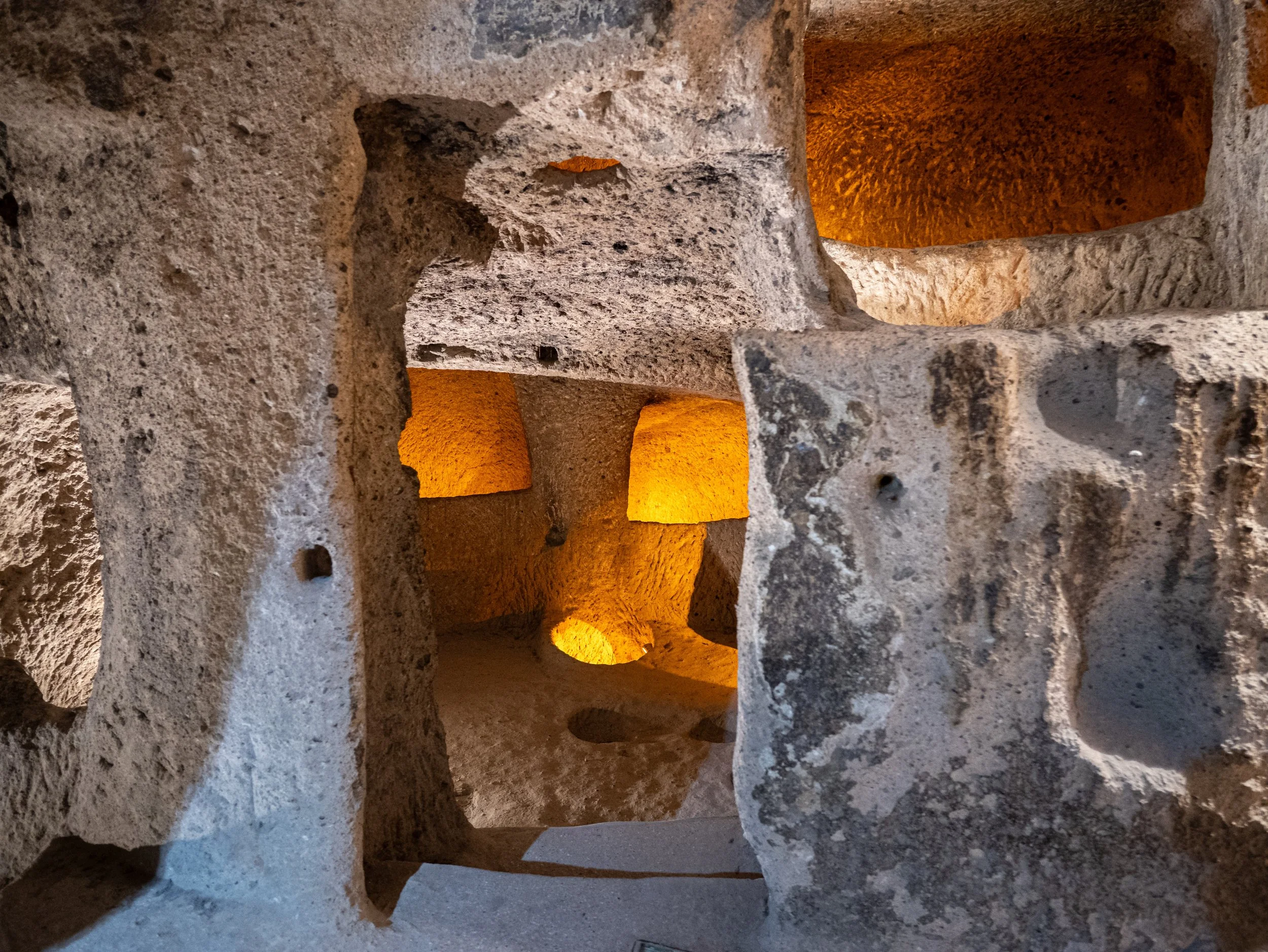
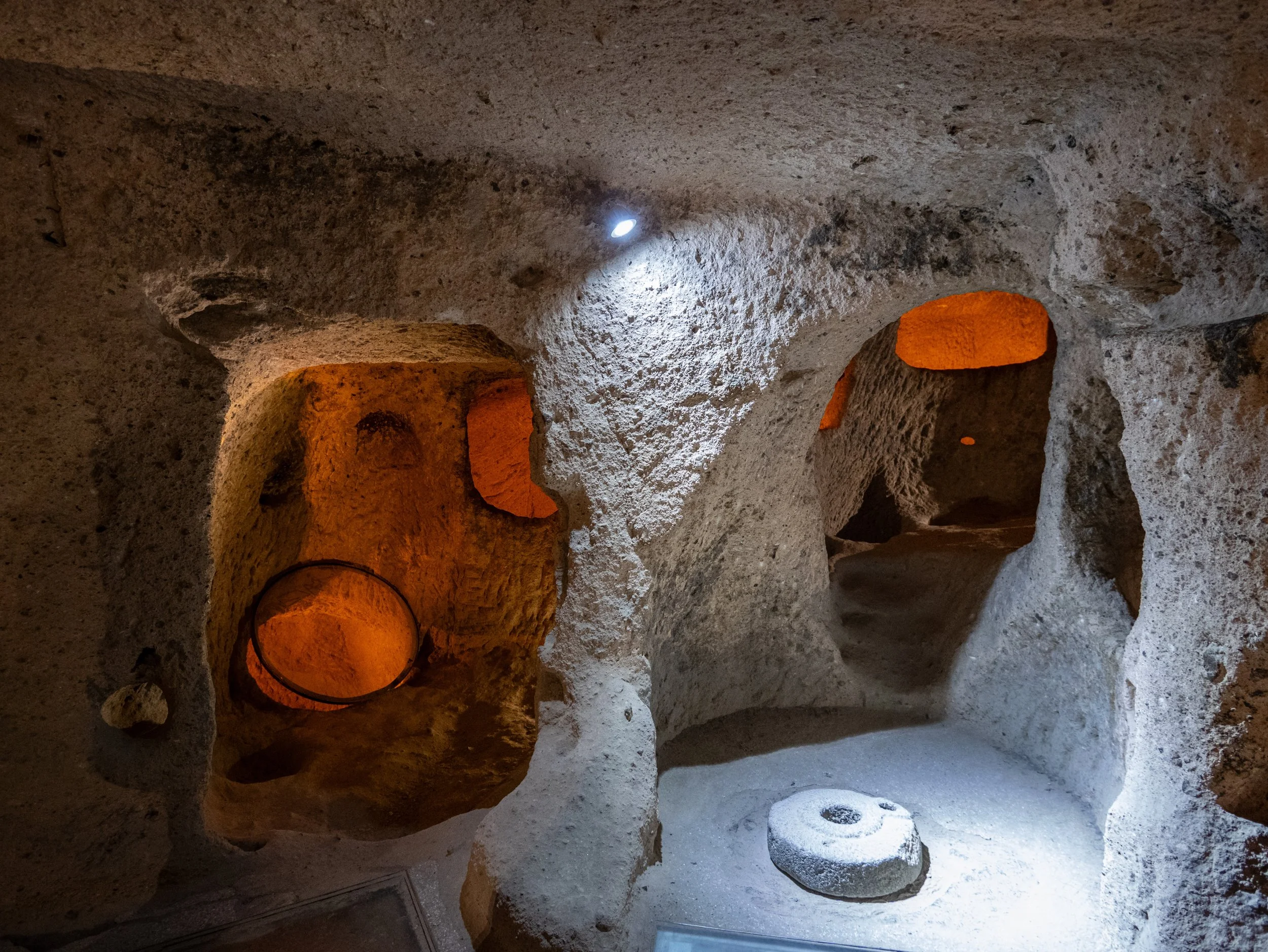
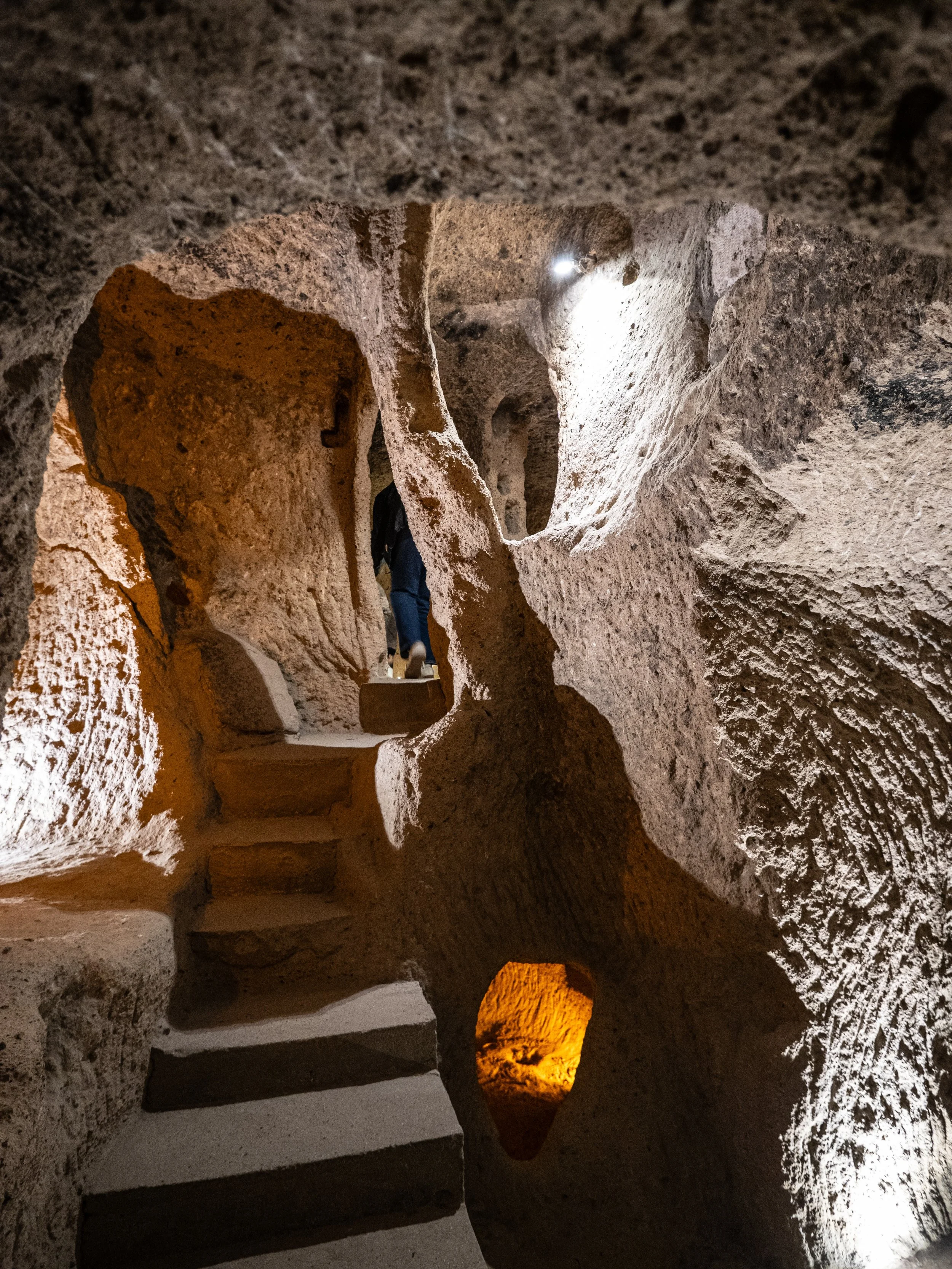
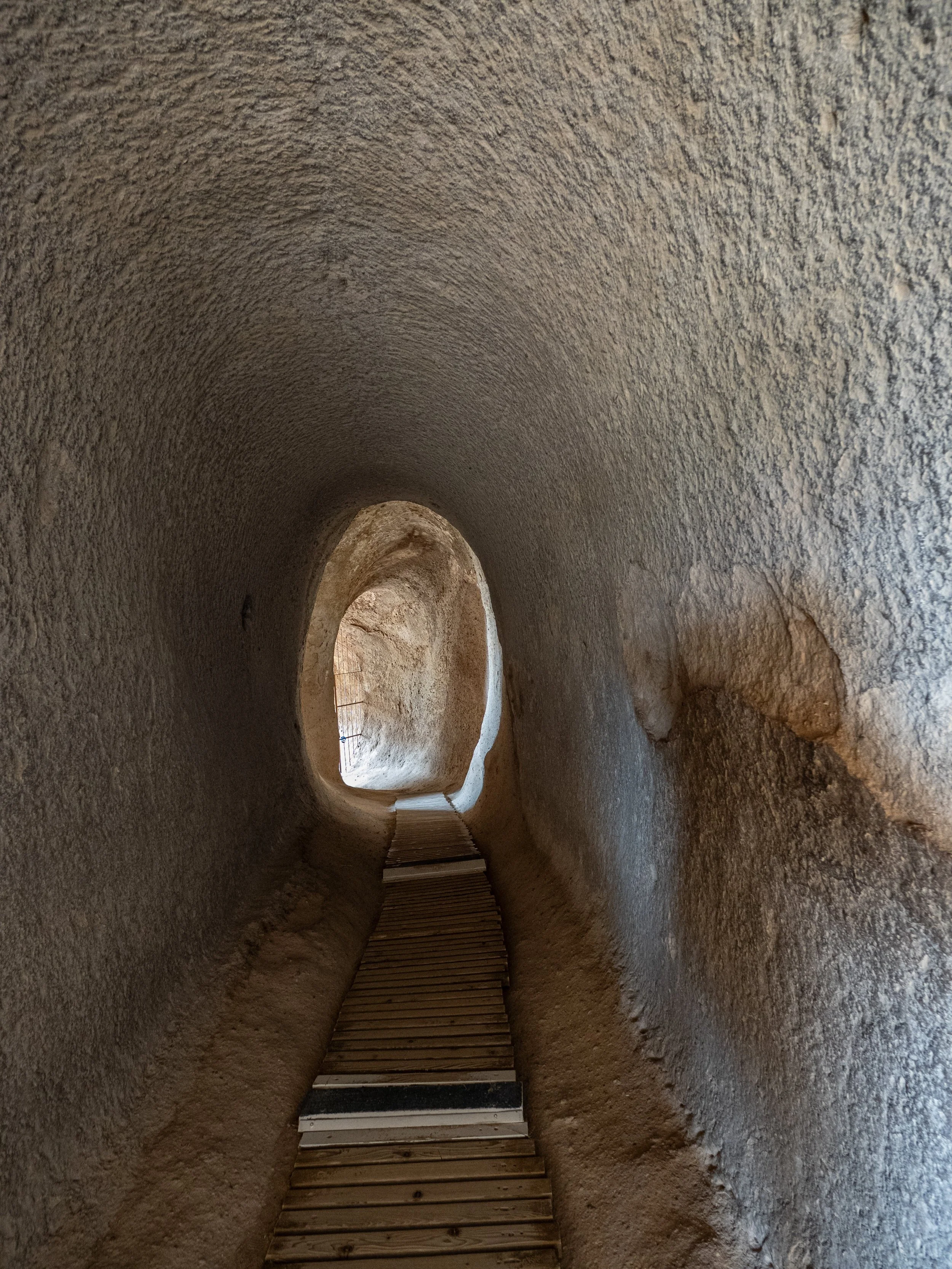
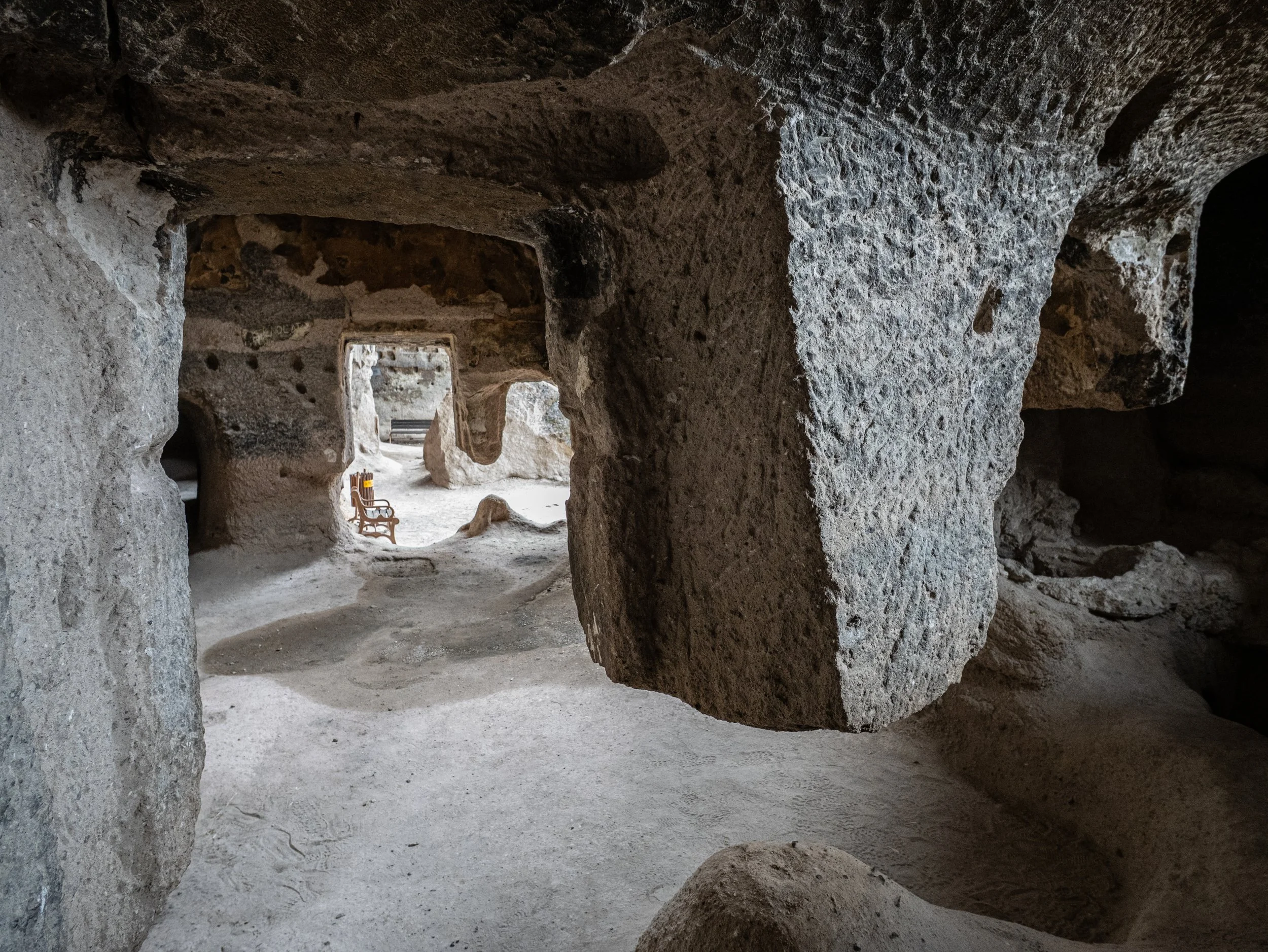
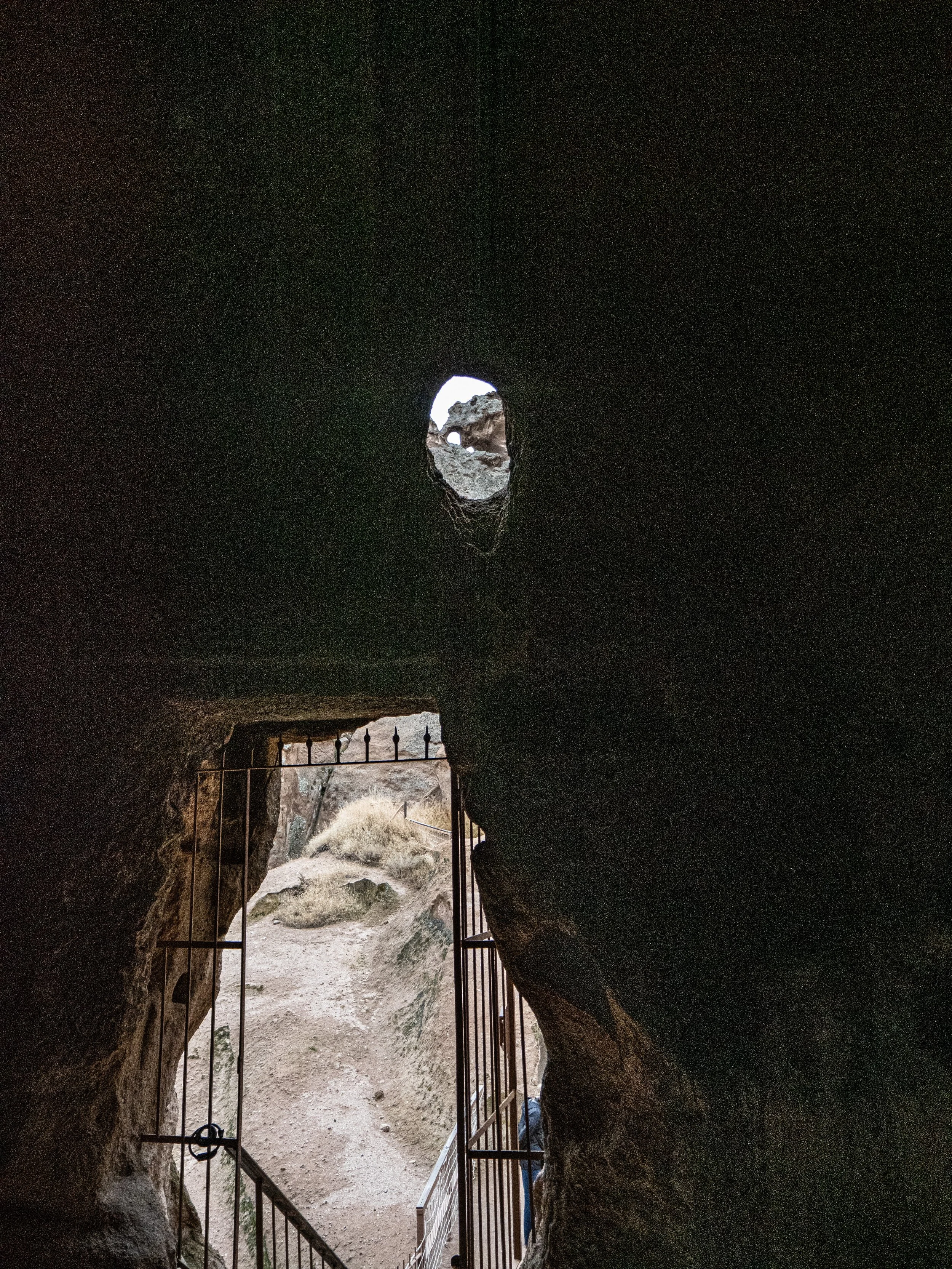
The following day we visited the underground city of Kaymaklı. Here, because the volcanic tuff was easy to carve, ancient populations dug vast multi-level subterranean cities - up to 8 levels deep. These were used for centuries as hidden refuges during wars and invasions by Hittites, early Christians fleeing Roman persecution, and later Byzantine populations.
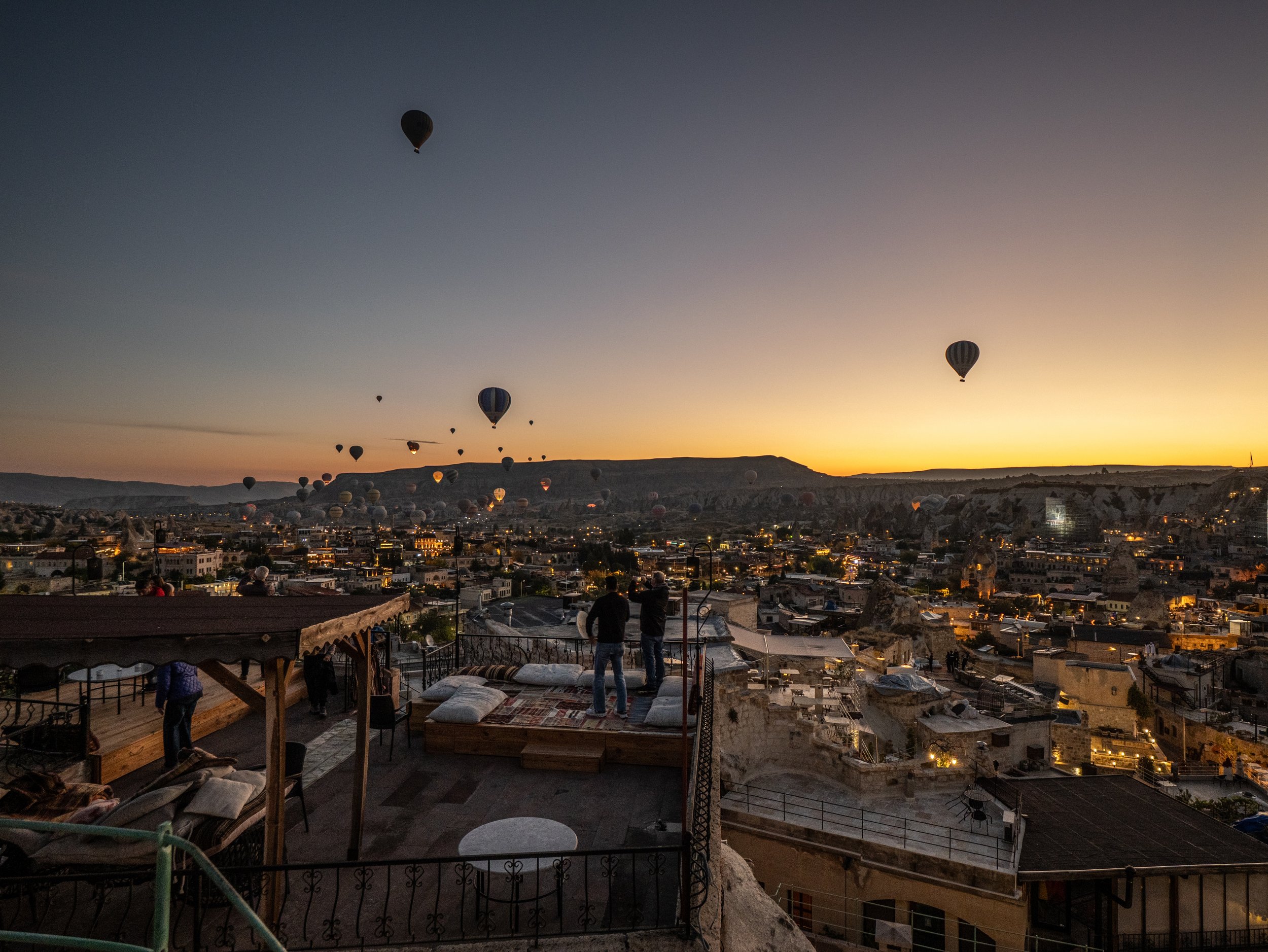
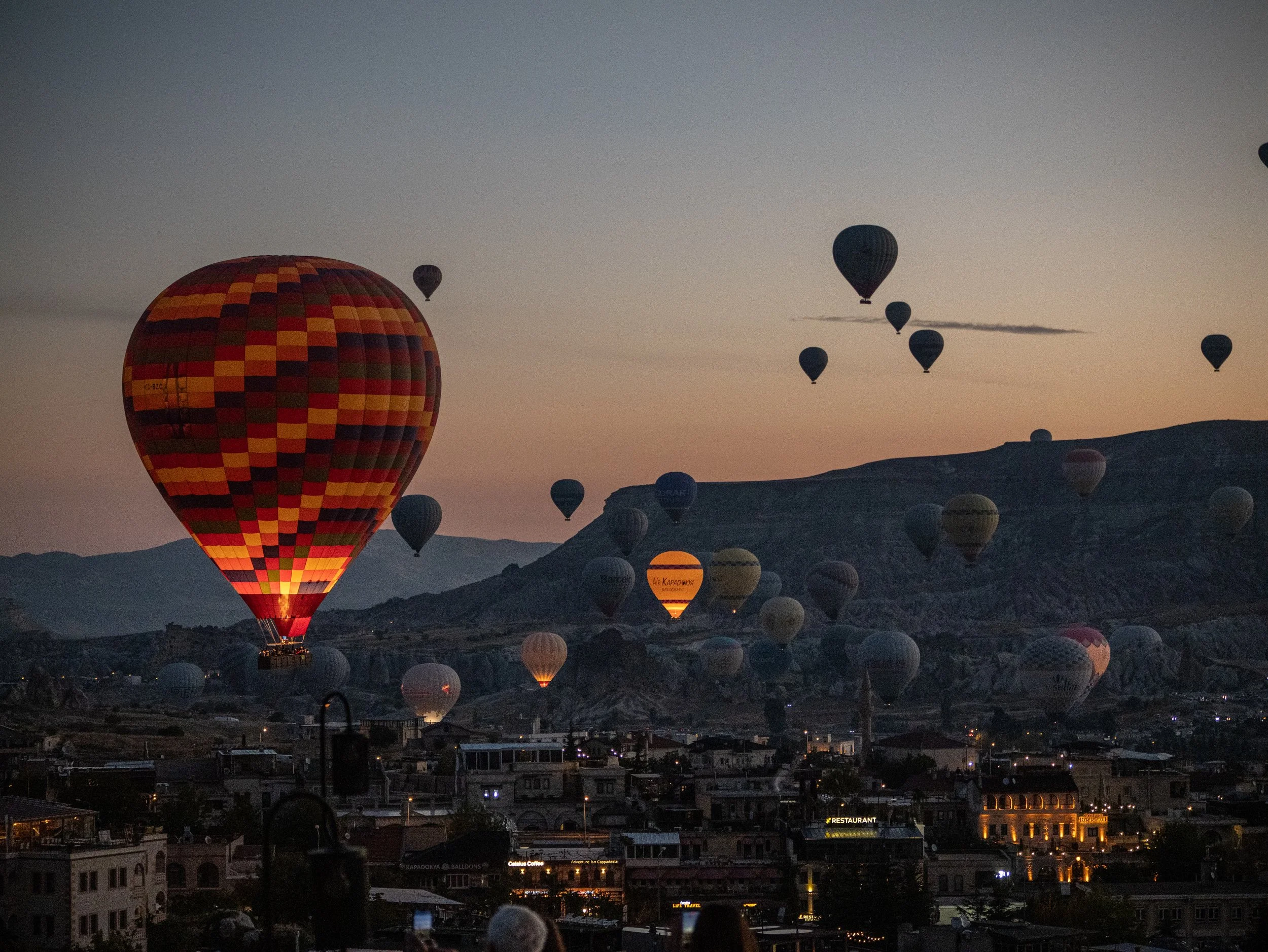
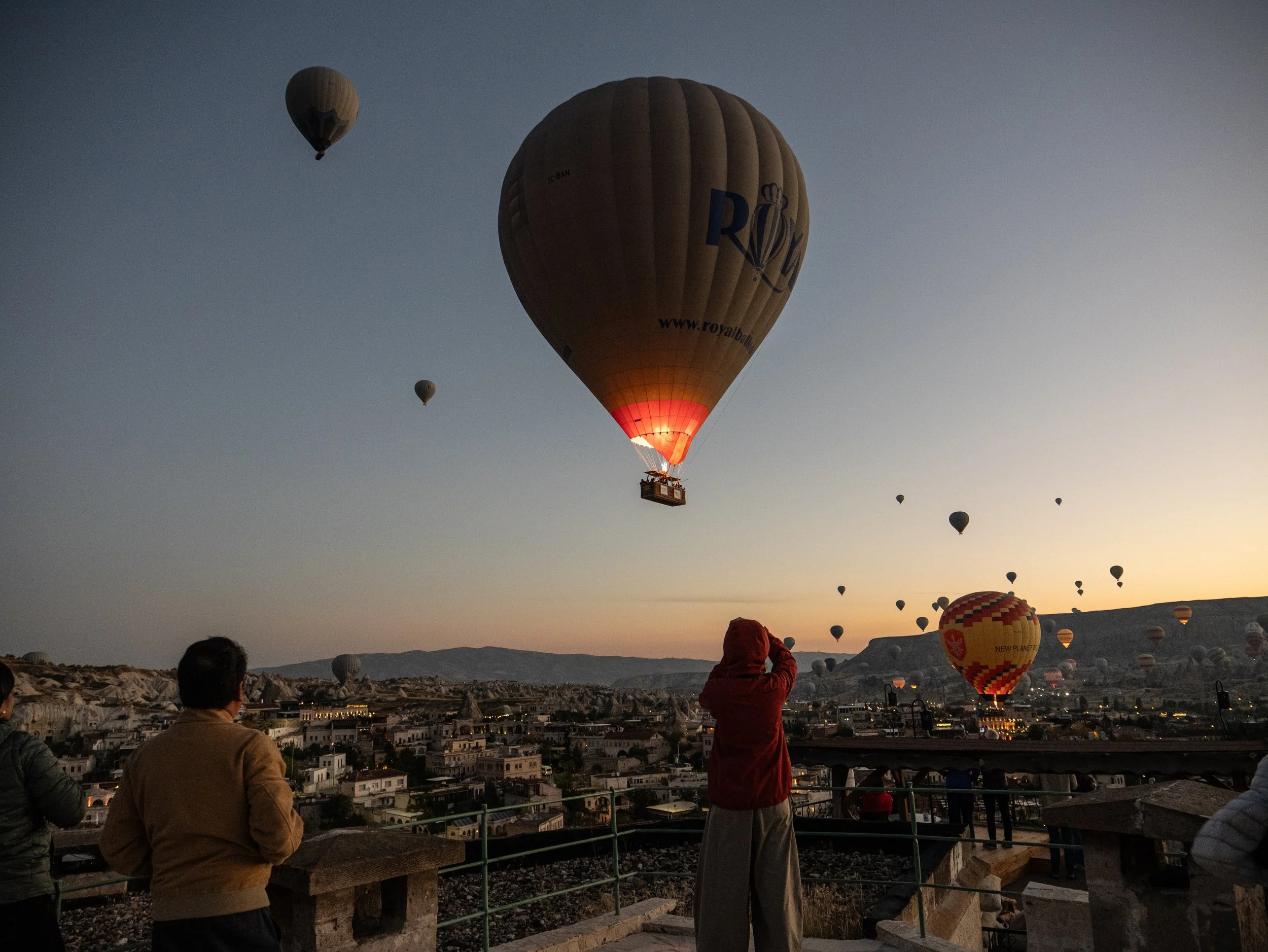
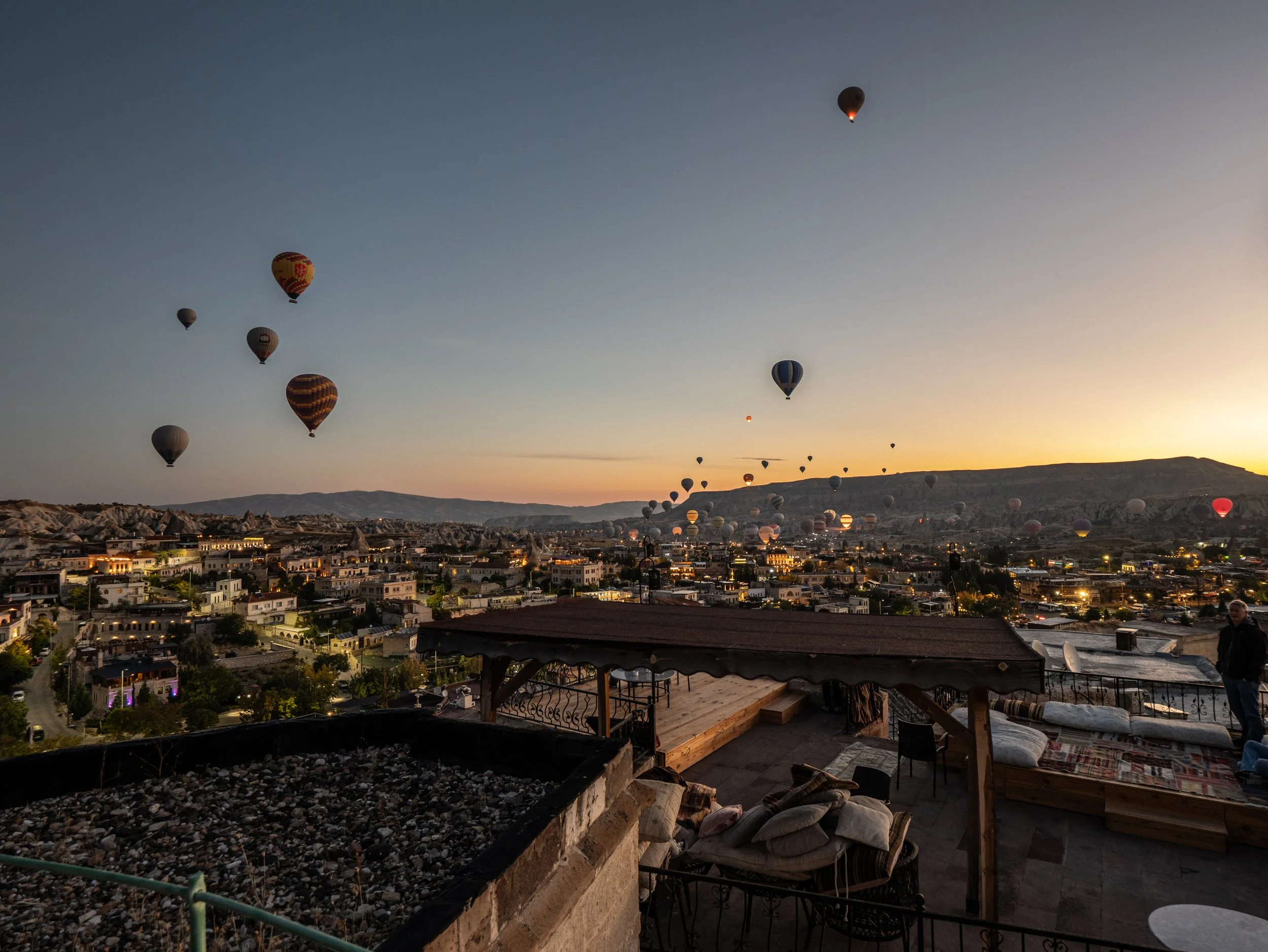
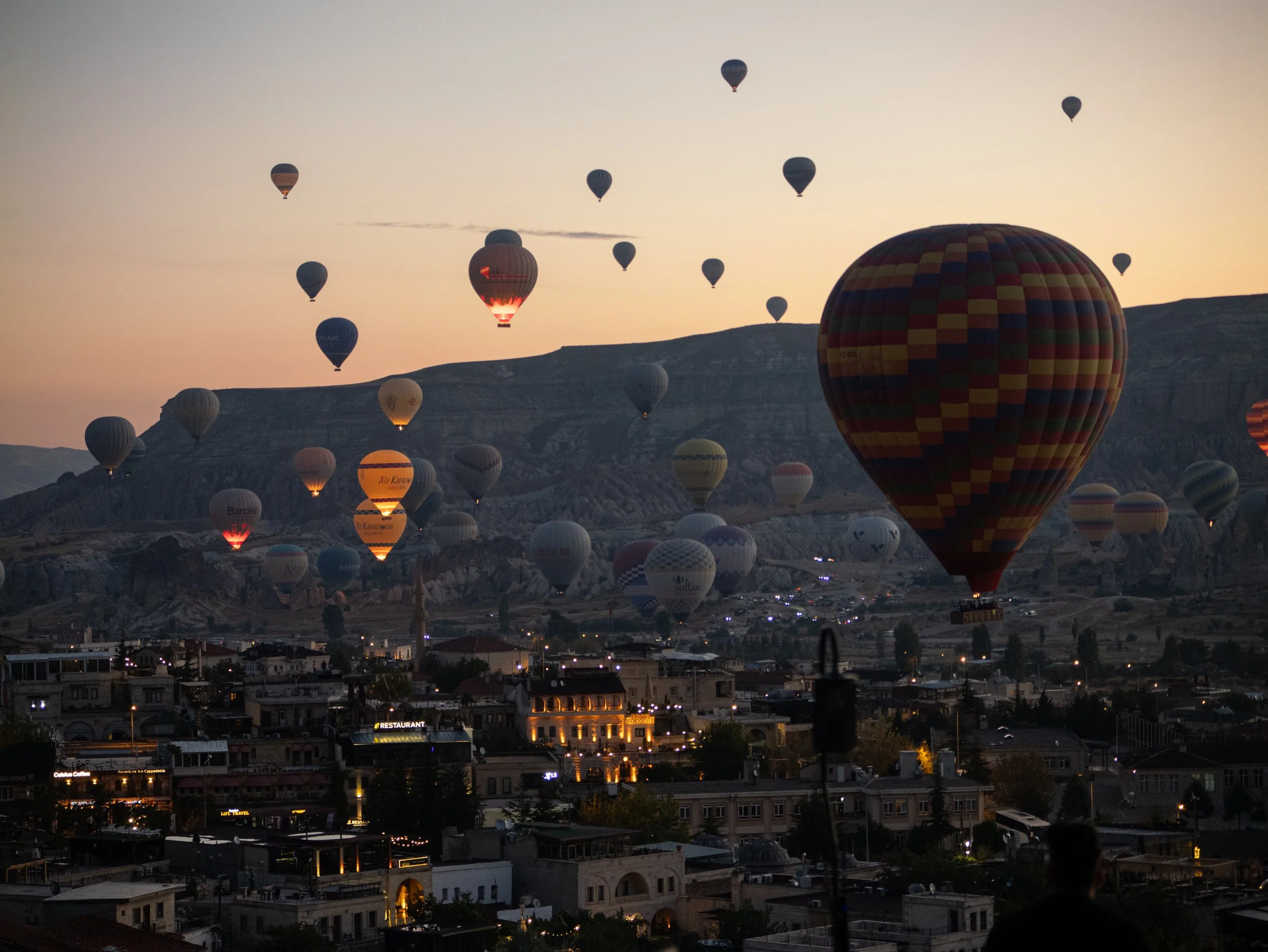
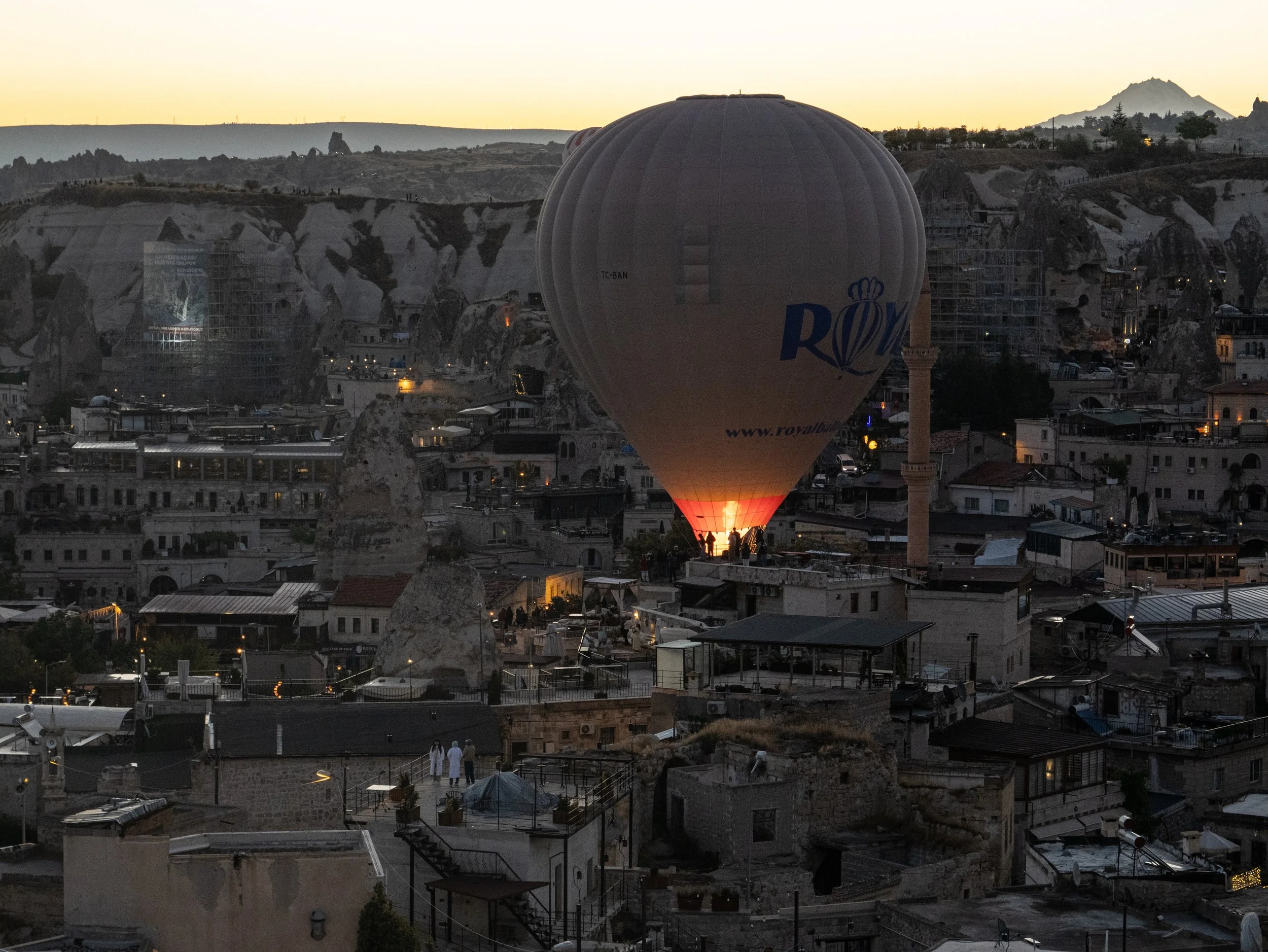
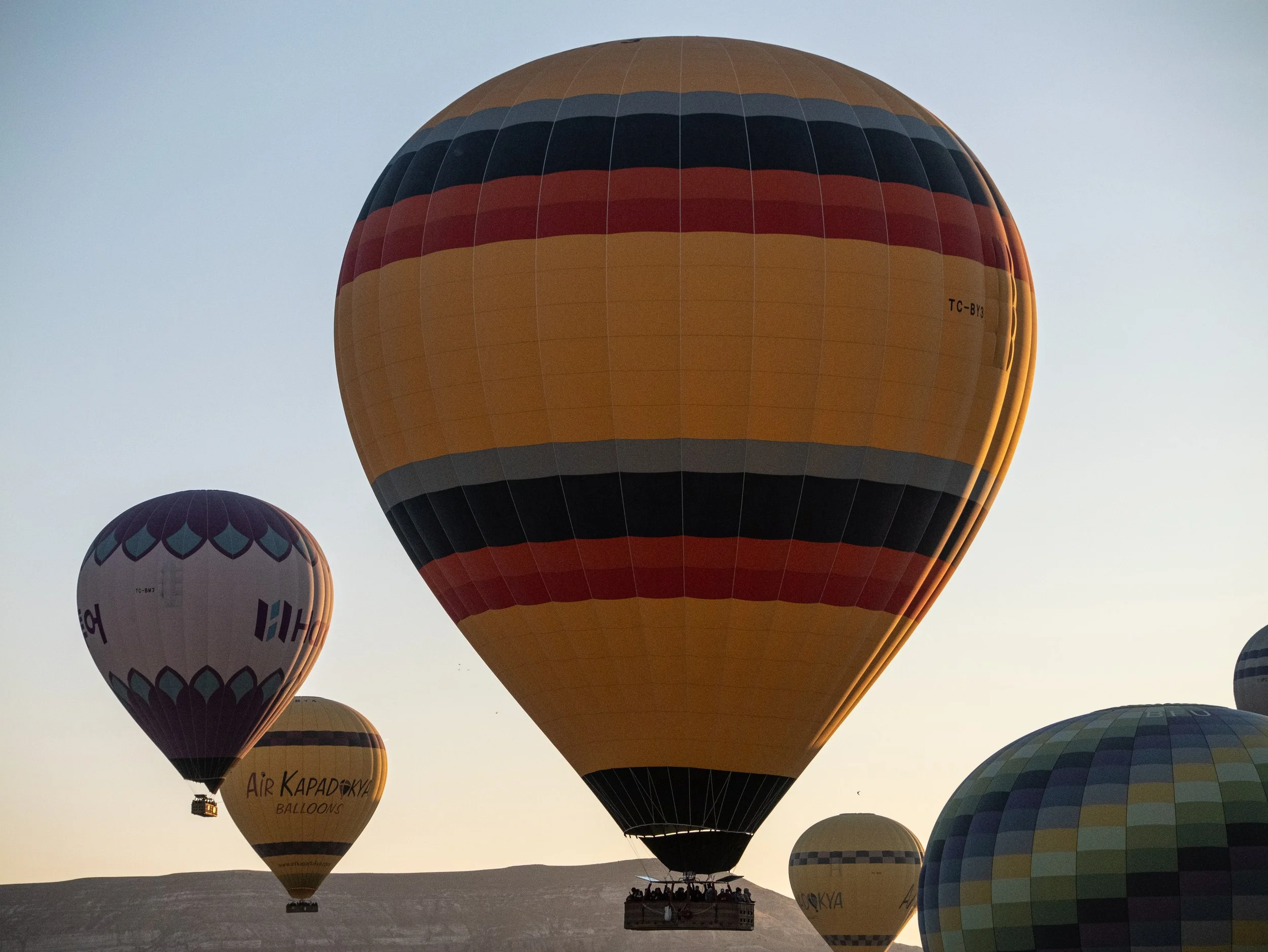
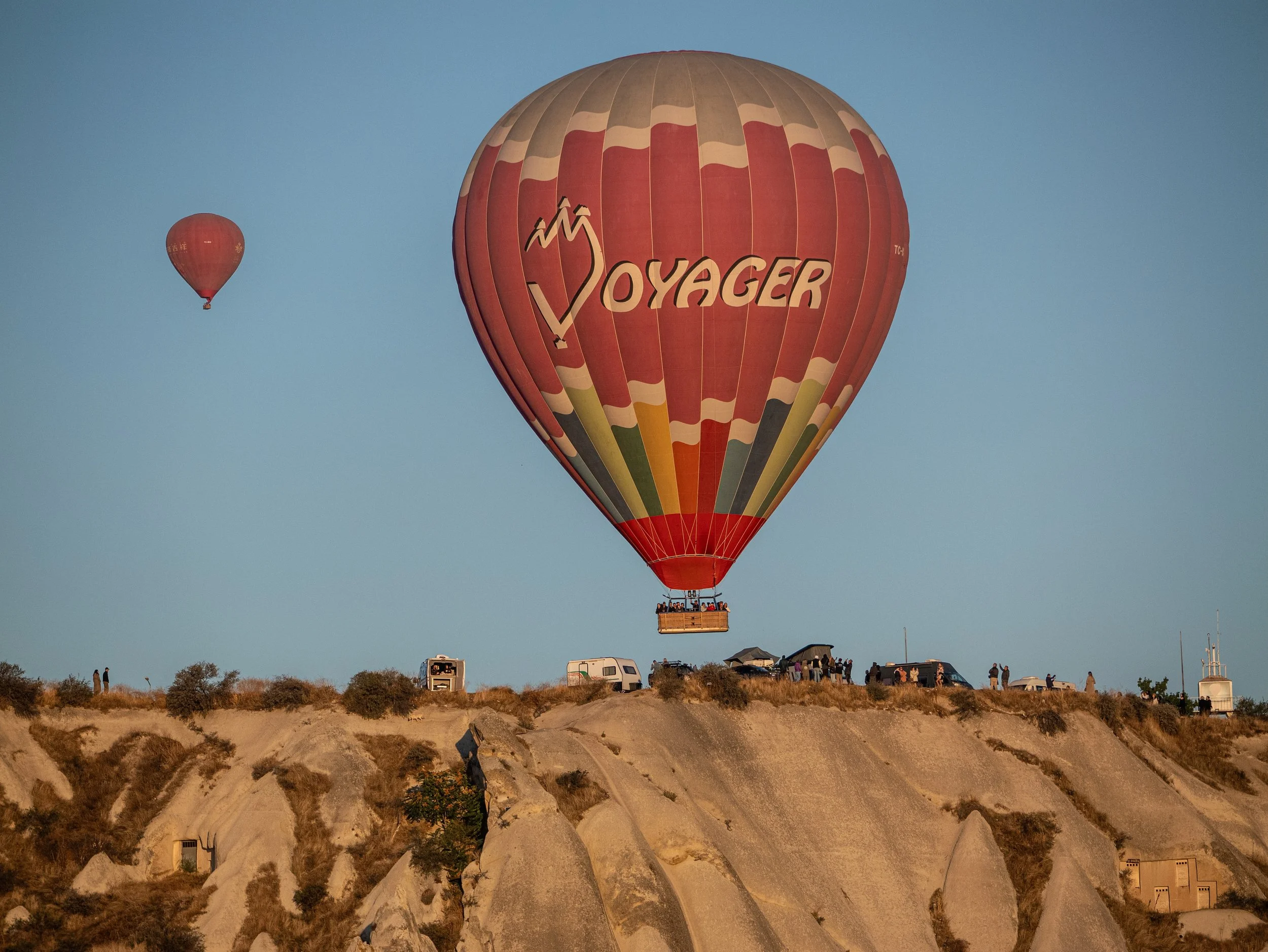
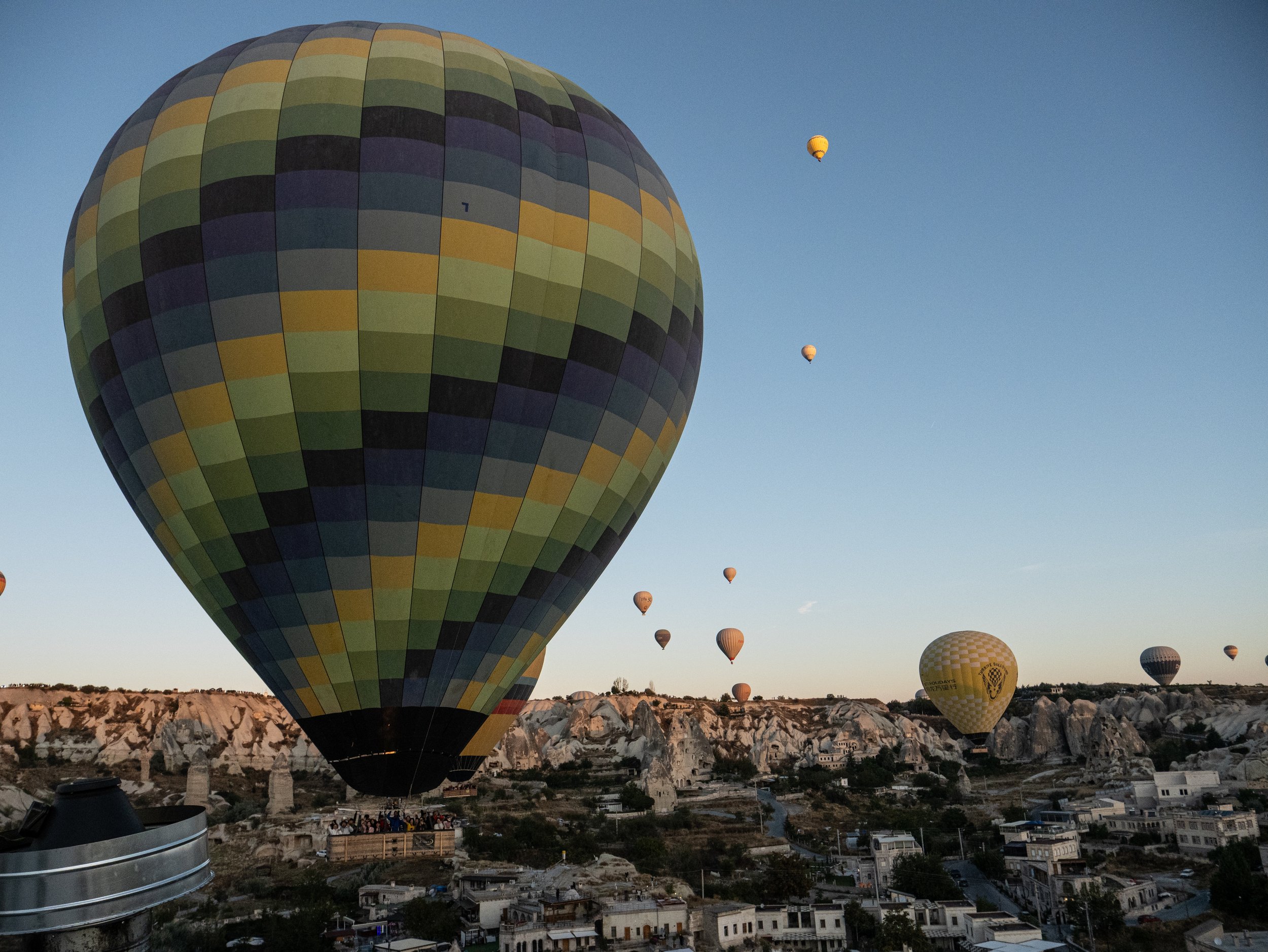
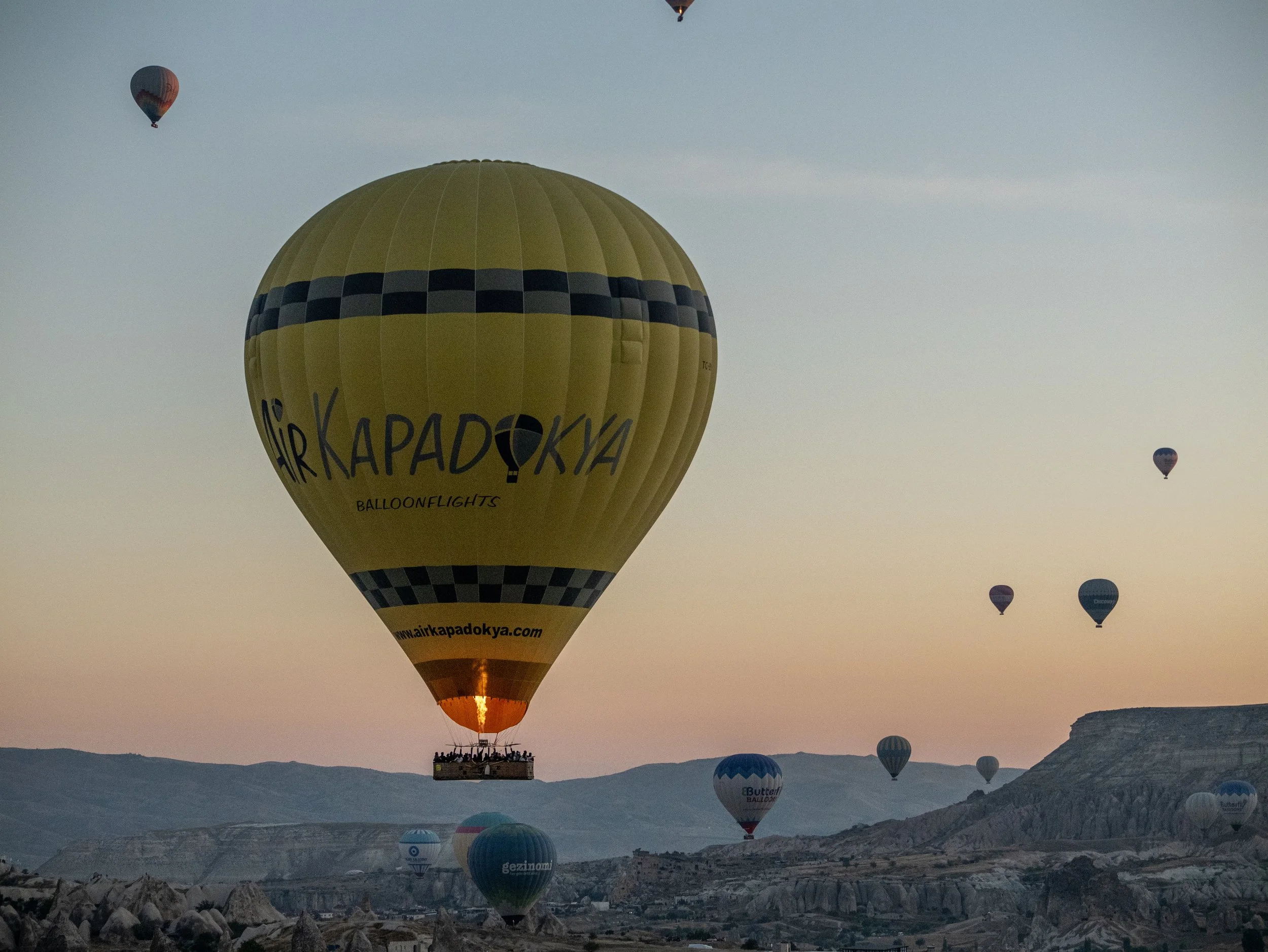
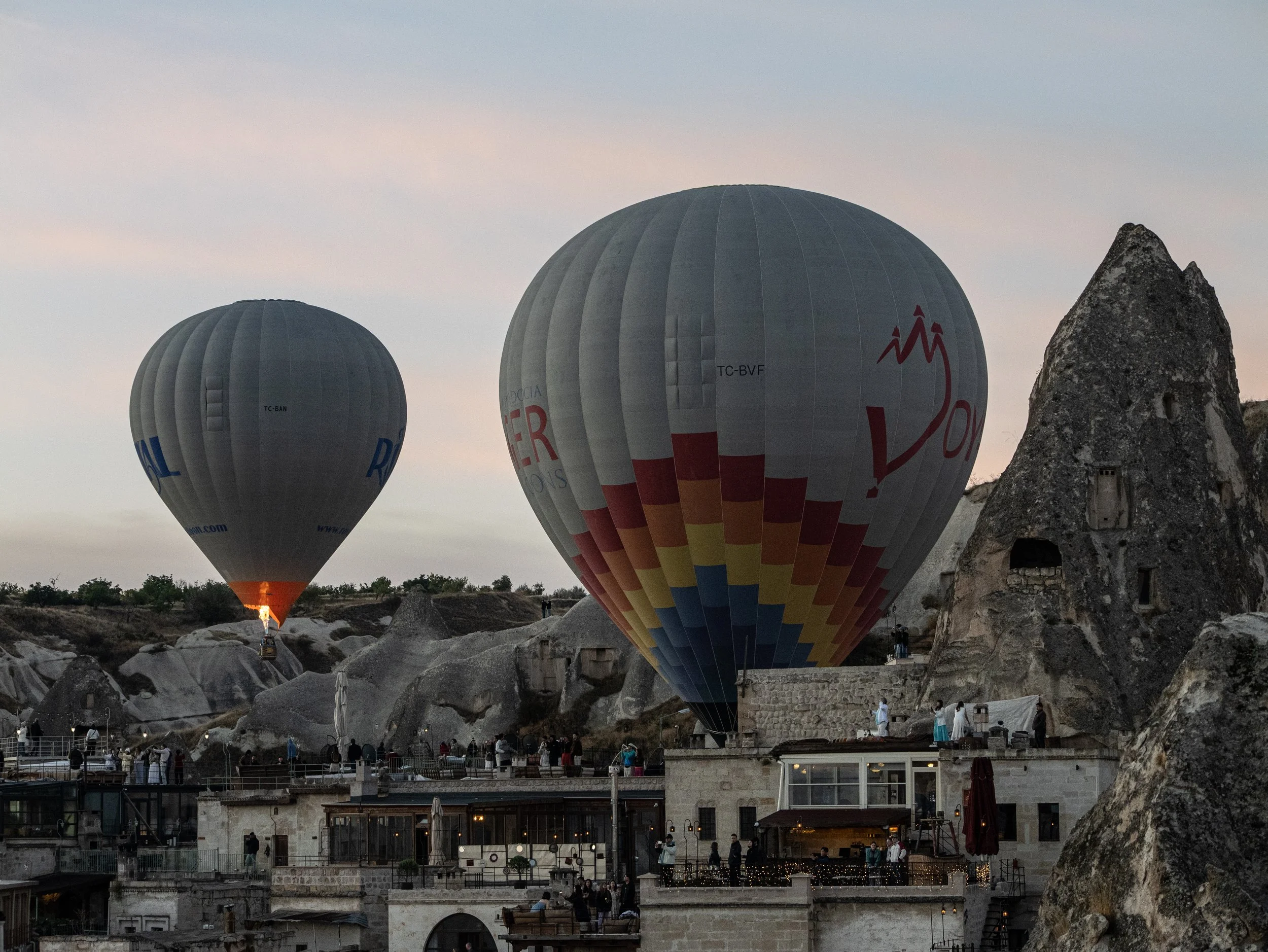
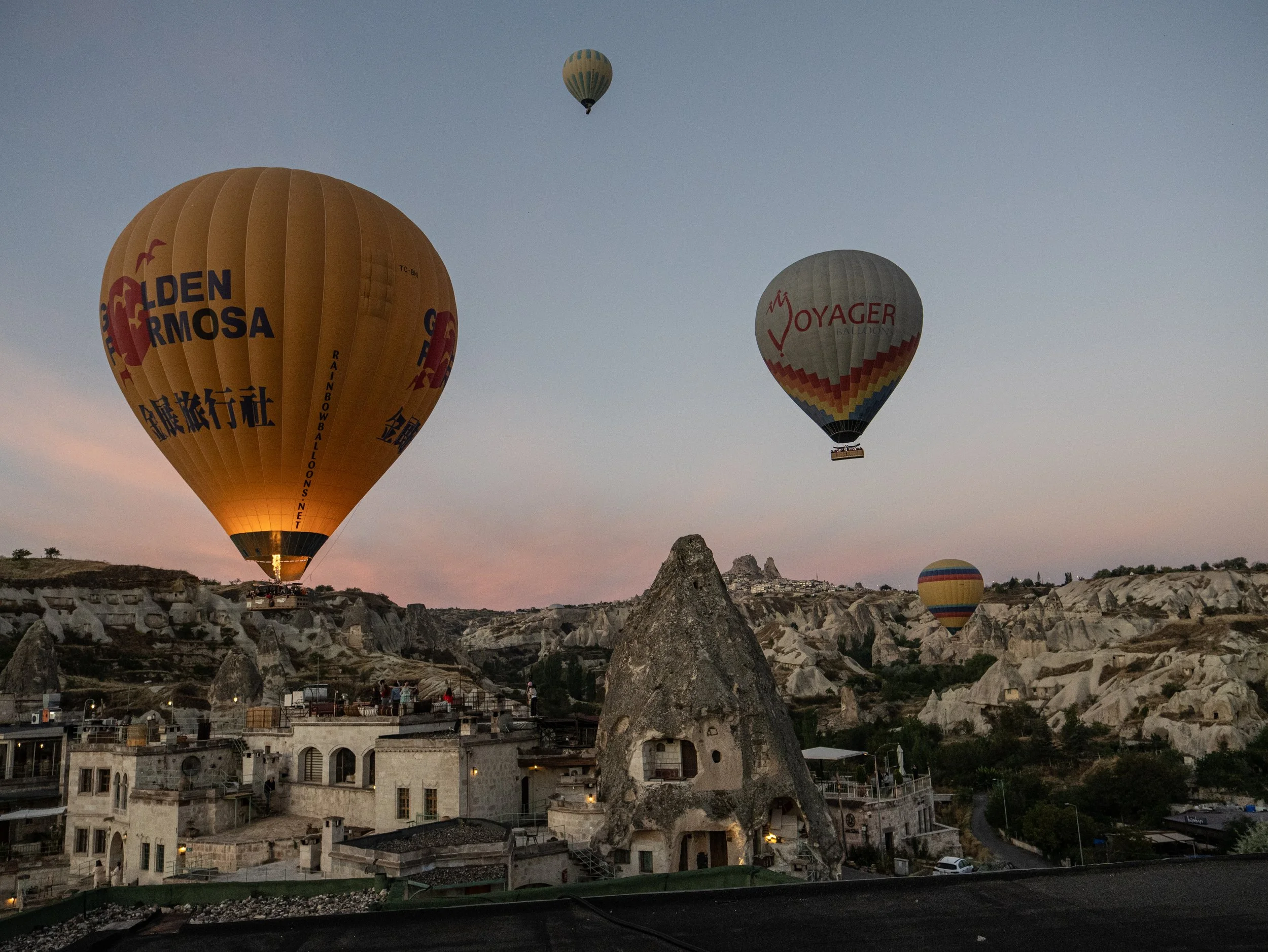
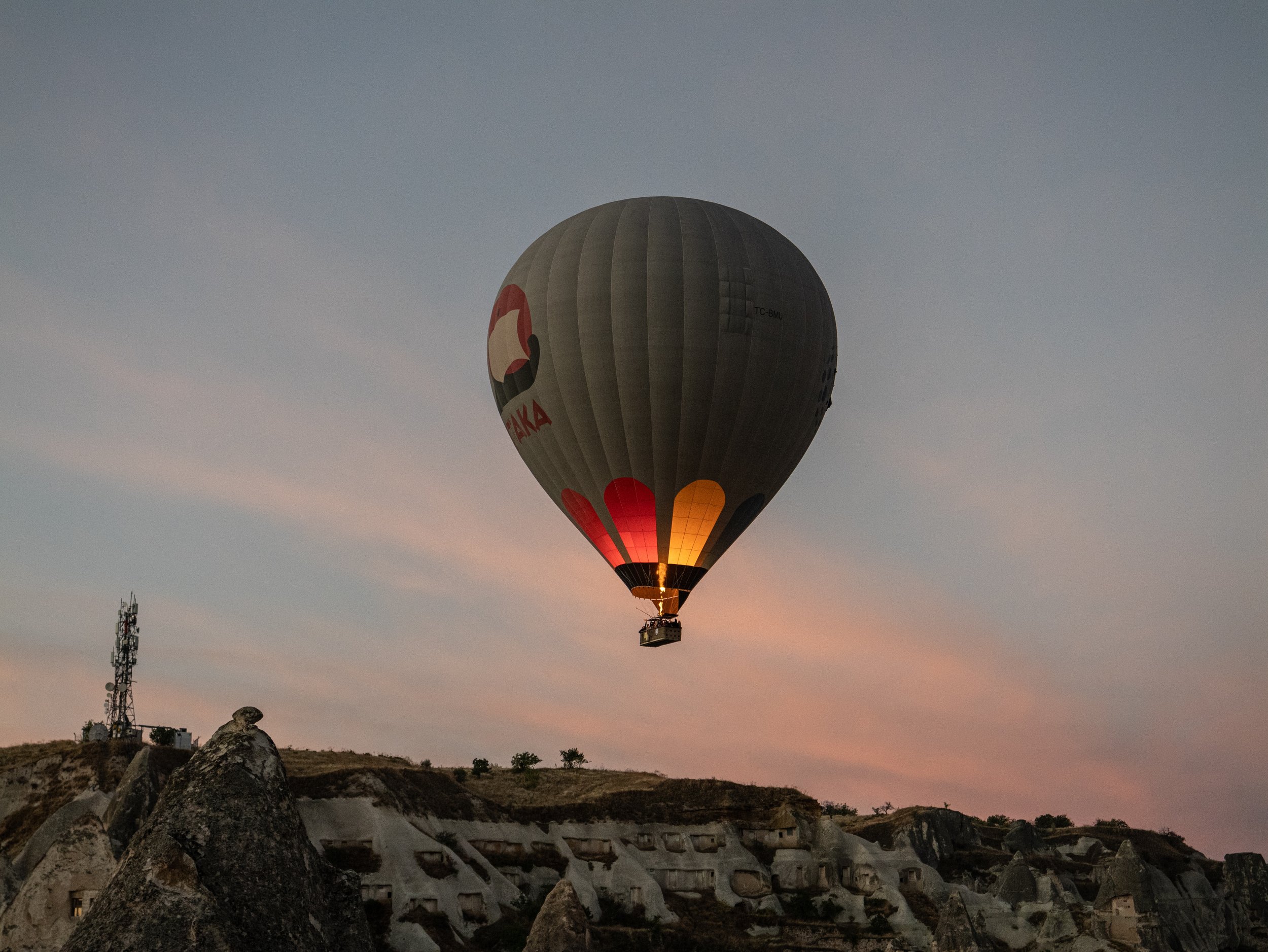
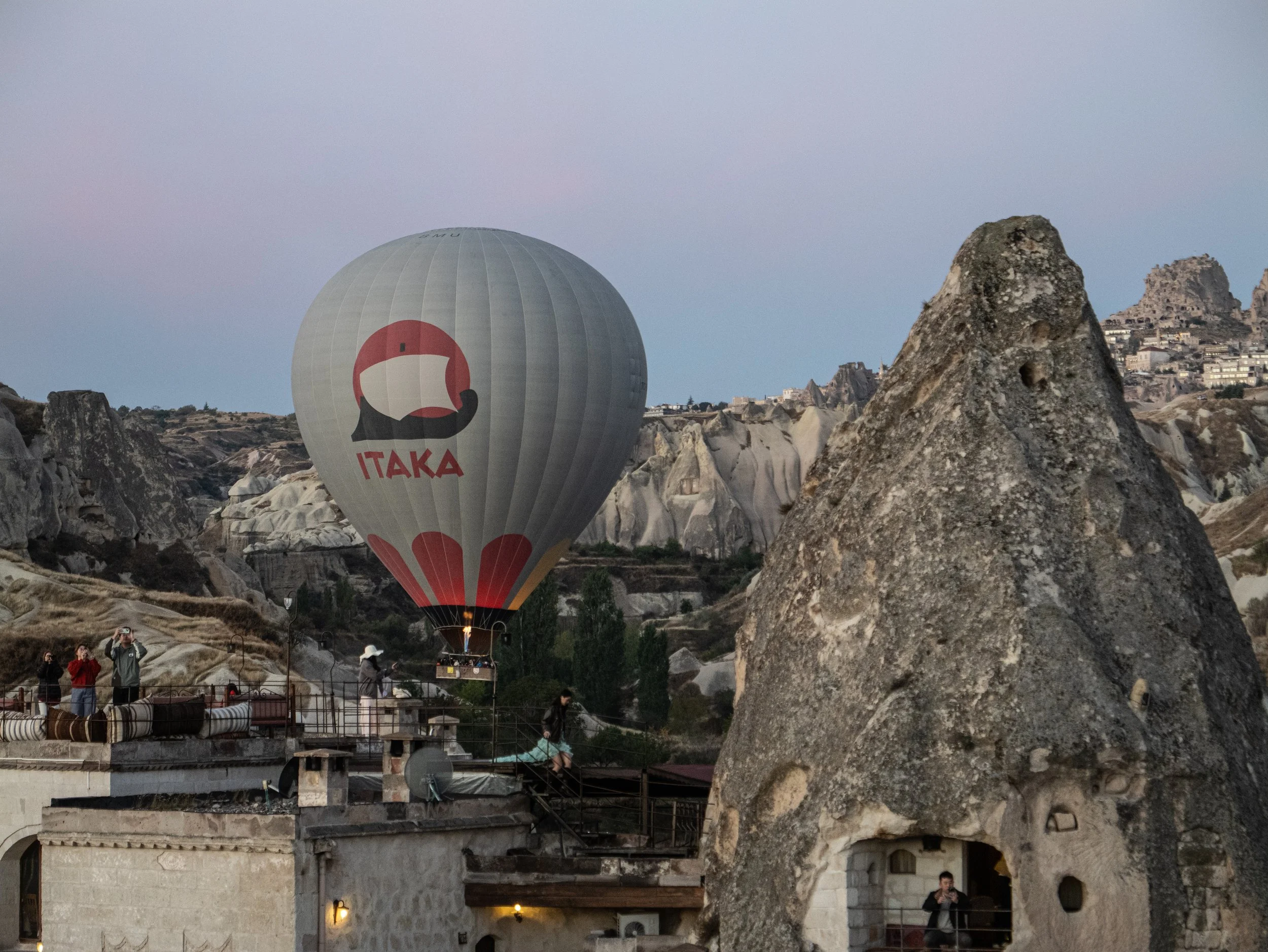
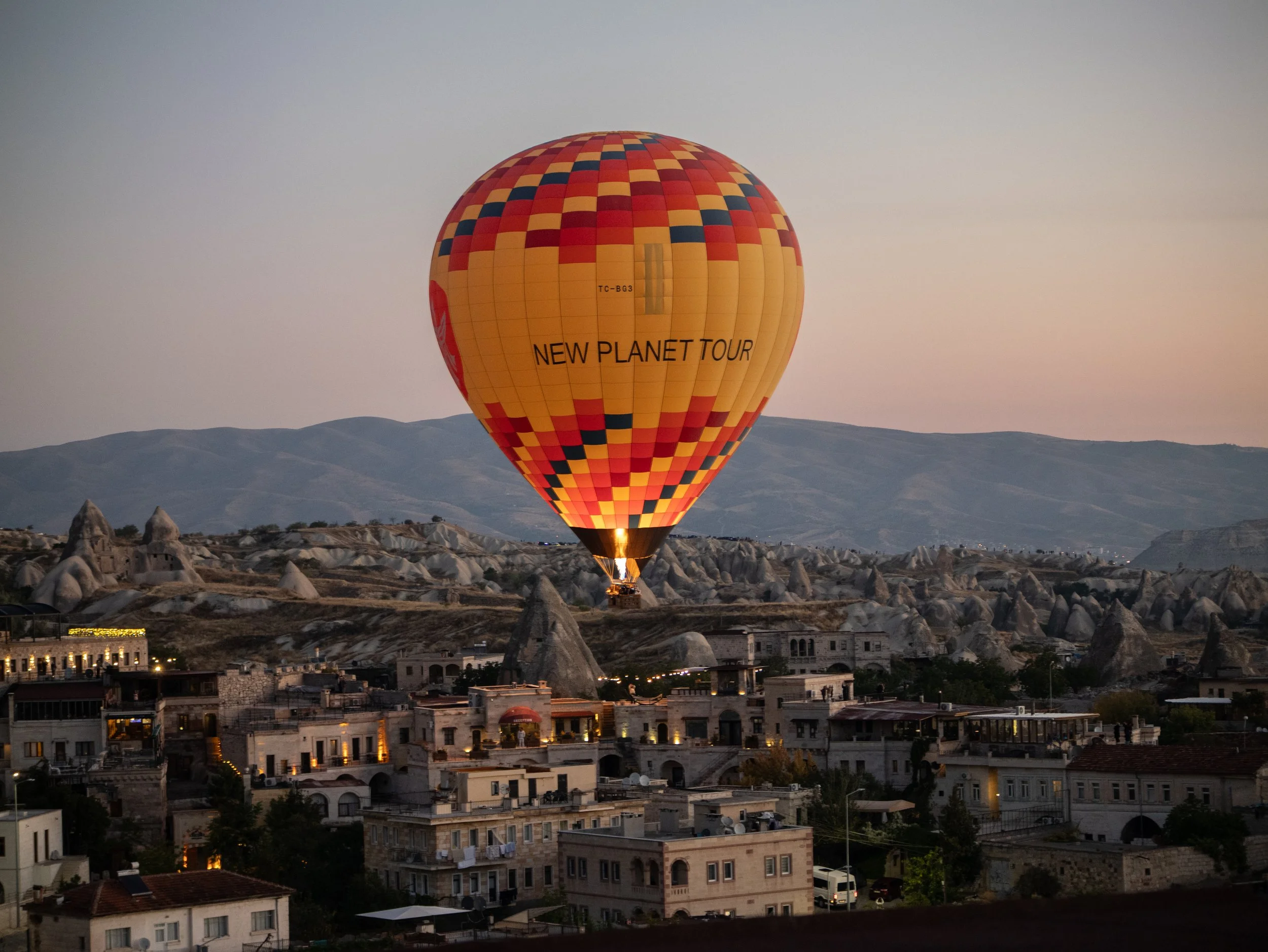
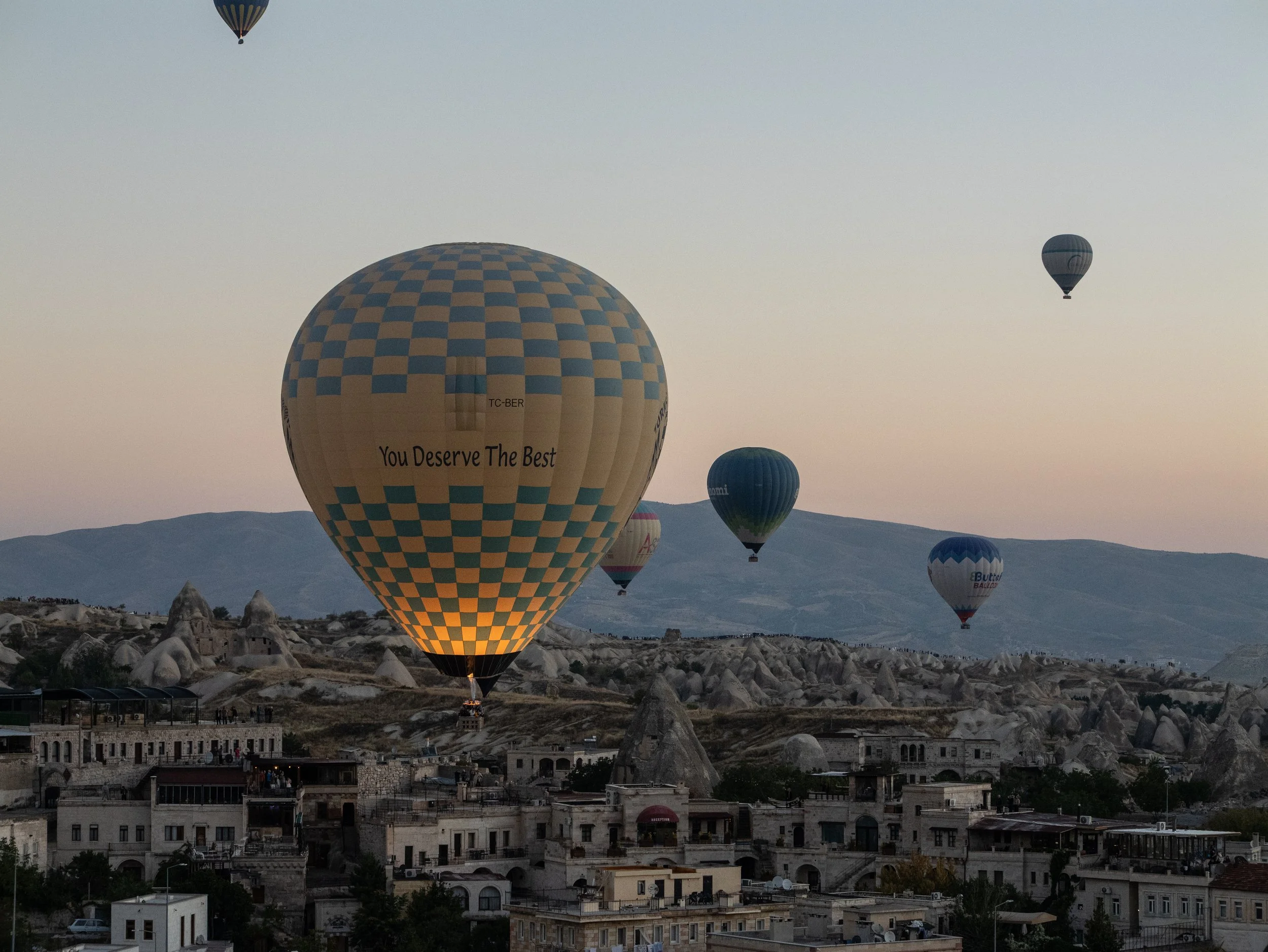
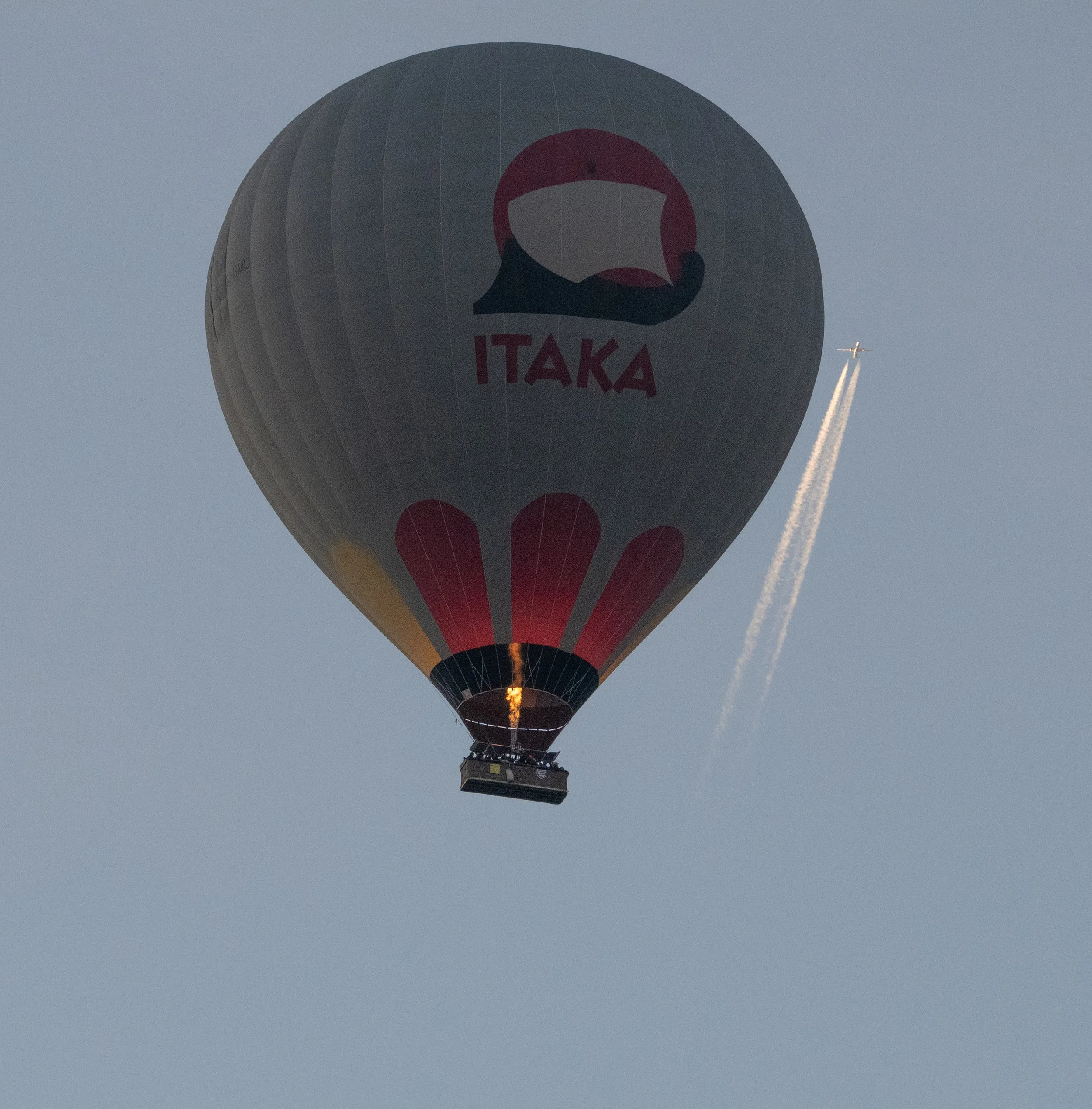
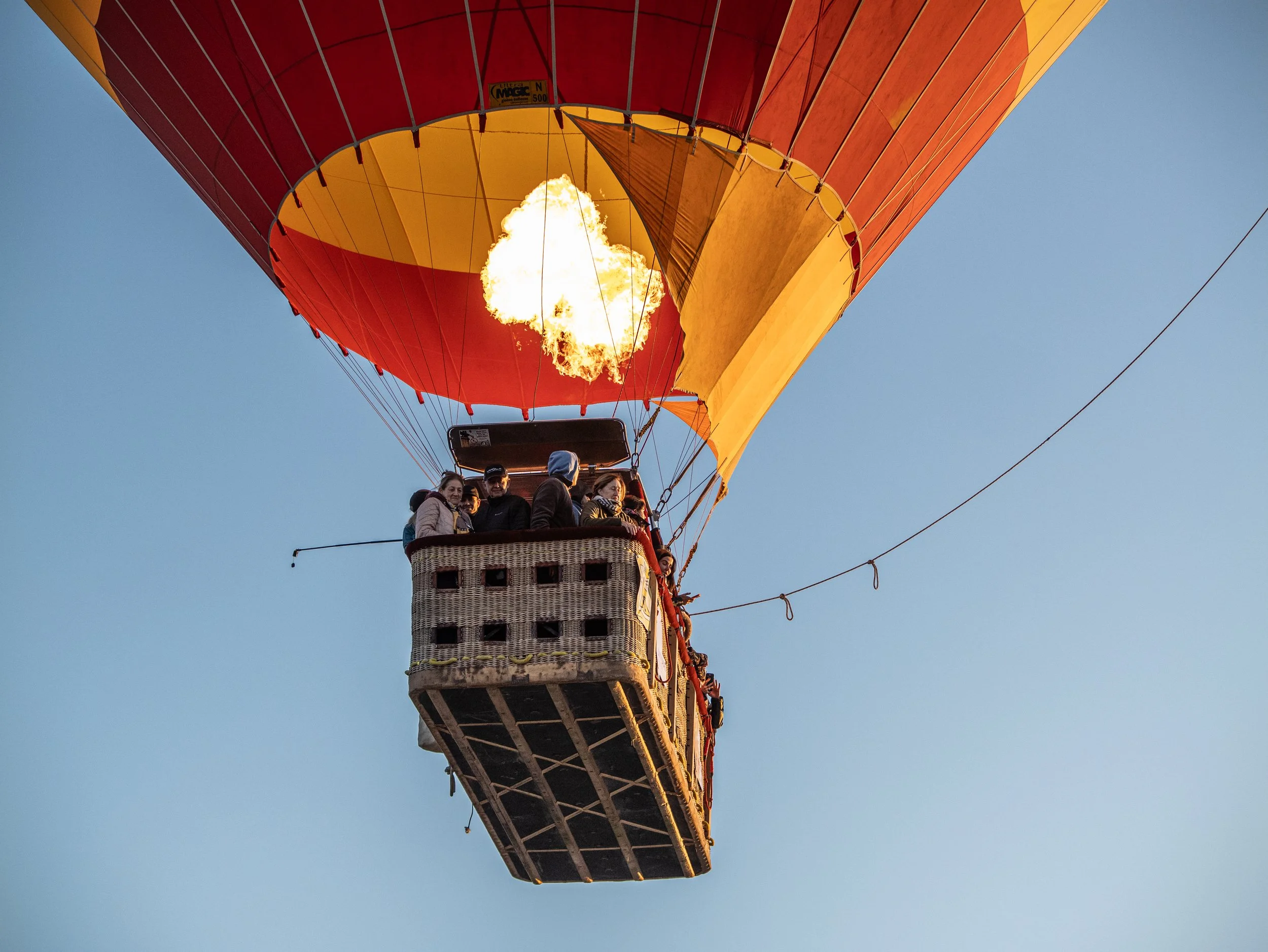
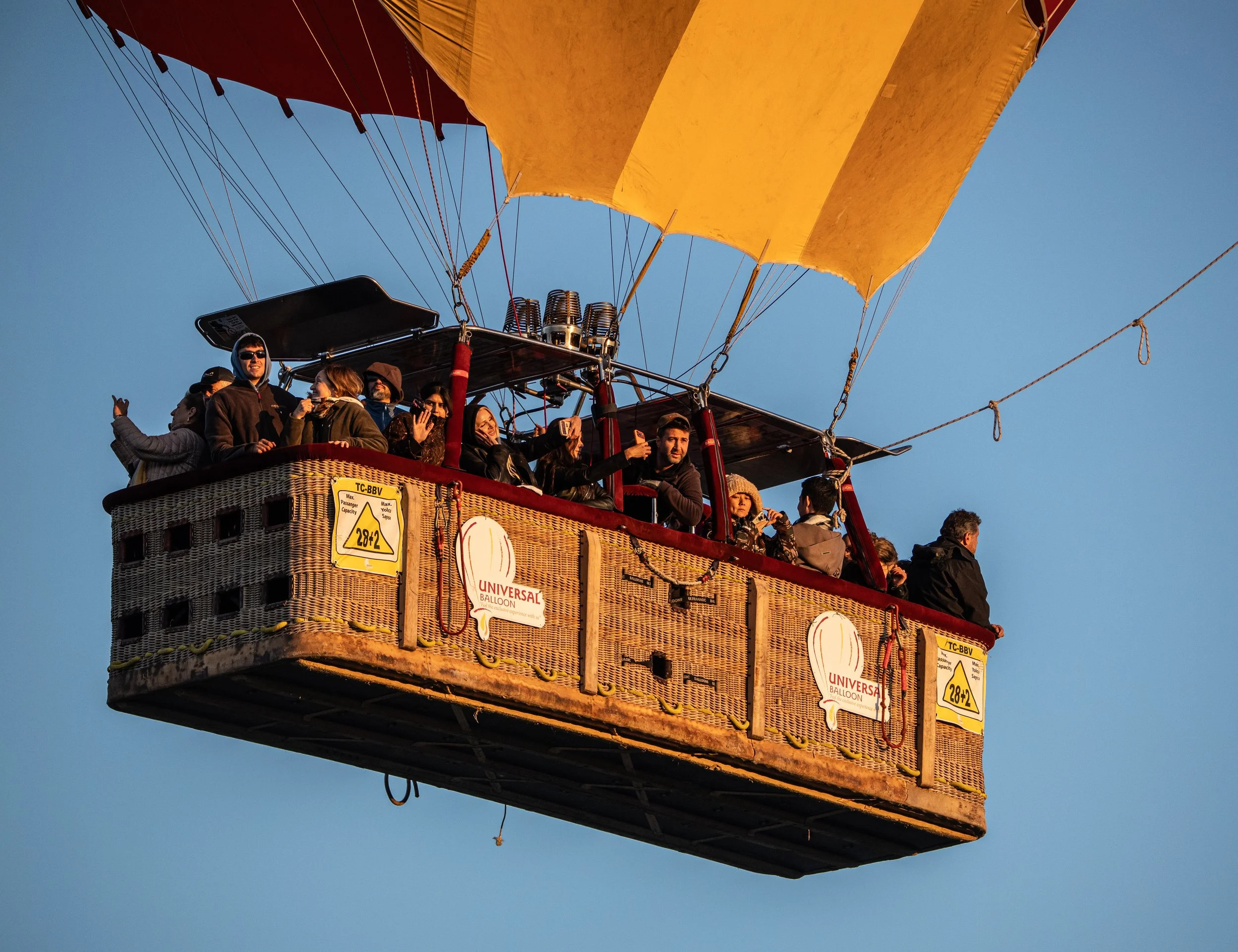
Cappadocai is renowned for its Hot Air Ballons. On good days, over 150 ballons take flight before sunrise. But if winds exceed safe limits (~10–12 knots) or fog sets in, all flights are grounded for the day. I had planned to go up but bad weather for 3 consecutive days prevented that. On our last morning though, they were up - and what a sight! Unforgettable.